
Production of Recombinant Adenovirus COVID-19 Vaccine
Jan.15.2026
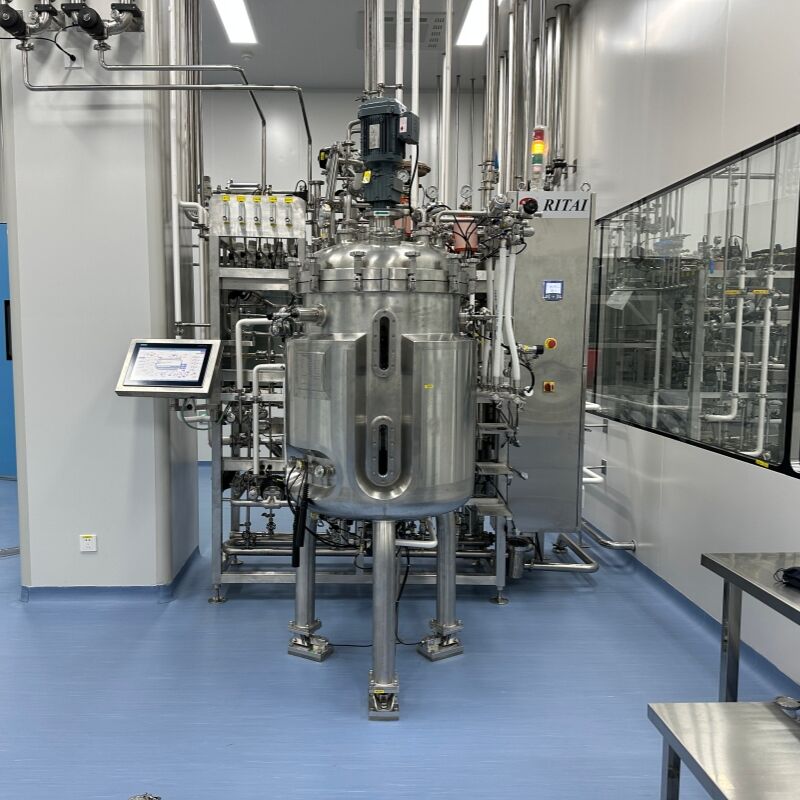
This case study describes the production of a COVID-19 vaccine using recombinant adenovirus vector technology. The core process relies on bioreactors to facilitate HEK 293 cell culture and viral amplification, ensuring efficient and stable vaccine manufacturing.
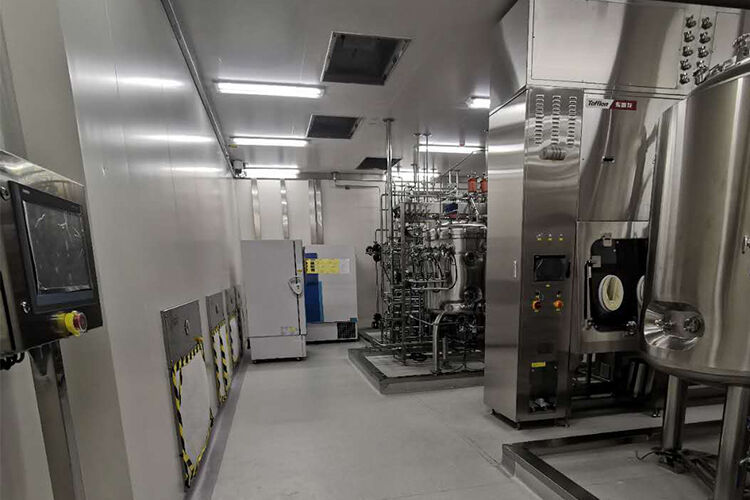
Upstream Culture Phase
HEK 293 cells in the logarithmic growth phase are inoculated into the bioreactor using CDM4HEK293 serum-free medium. The bioreactor precisely controls temperature, pH, and dissolved oxygen (DO) levels to ensure uniform cell growth. Once the cells reach the optimal state (typically 80%-90% viability or specific density), the recombinant adenovirus vector is inoculated at a Multiplicity of Infection (MOI) of 0.5-2. The culture is maintained at 37℃ for 48 hours. During this period, the bioreactor continuously provides a stable environment to support high-efficiency viral replication.
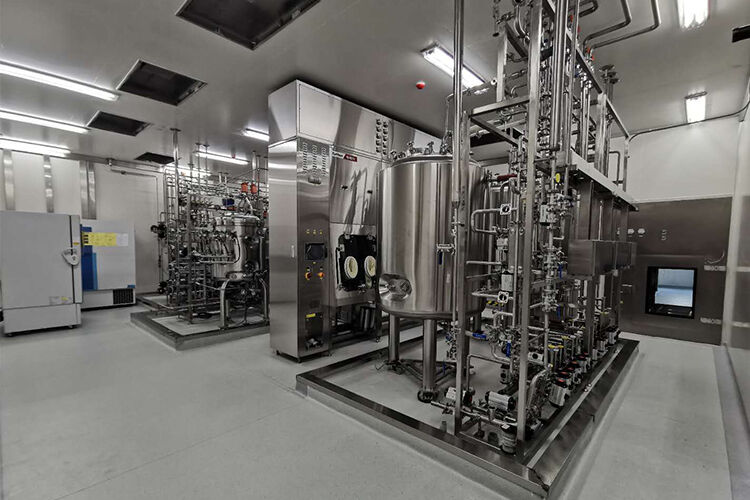
Harvest and Purification Phase
When more than 70% of the cells exhibit typical Cytopathic Effect (CPE), the cell suspension is collected using the bioreactor's integrated harvest system. The cells are then pelleted by centrifugation at 1000 rpm for 5 minutes, and the virus is released through three freeze-thaw cycles. Downstream purification employs a centrifugal column process to effectively remove cell debris and impurity proteins, achieving a recovery rate of over 95%. The final high-purity viral bulk meets all quality standards for vaccine production, as confirmed by viral titer testing.
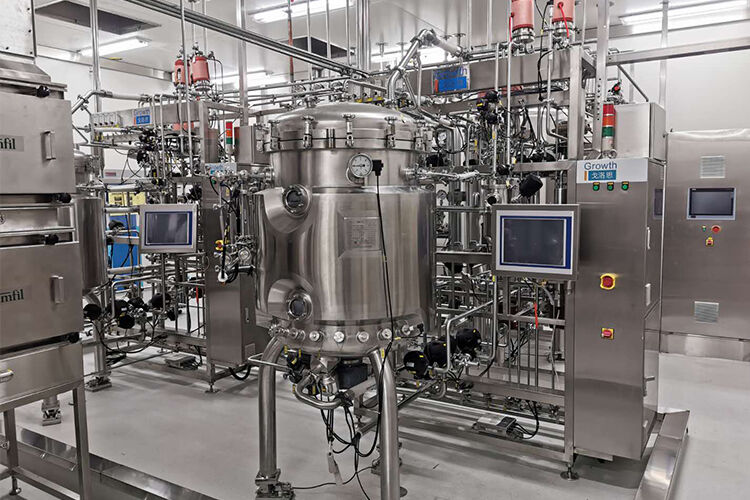
Conclusion
Leveraging the precise control capabilities of the bioreactor, this process achieves standardized and large-scale production of cell culture and viral amplification, effectively ensuring the stability and safety of the vaccine product.
|
Recommended Products |
|||
 |
 |
 |
 |
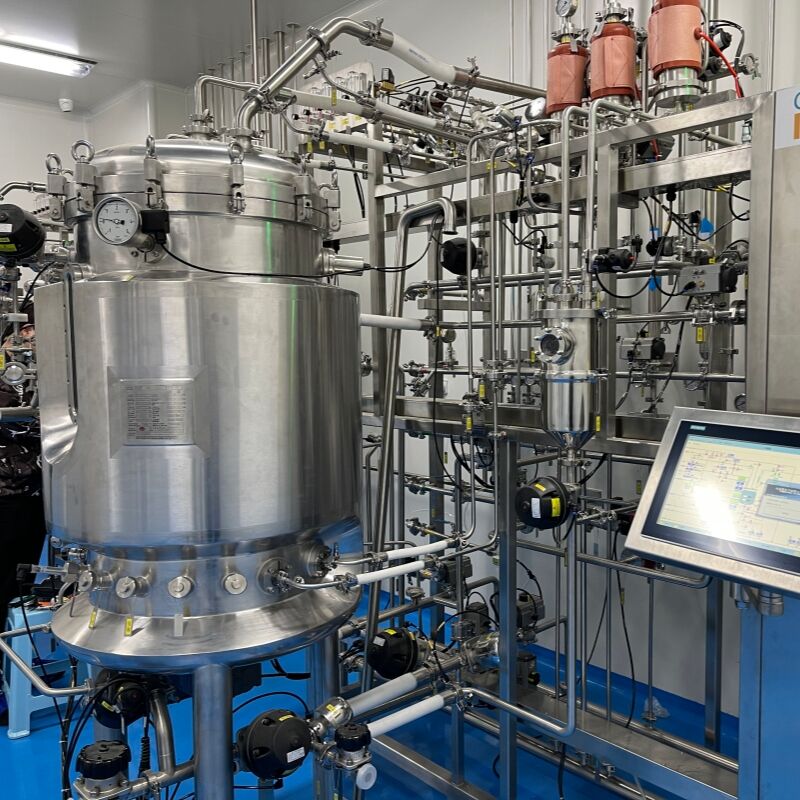
| Suspended Bioreactor | Microcarrier Bioreactor | CIP Systems | Live Virus Exhaust Gas Inactivation System |