Brief Product Description
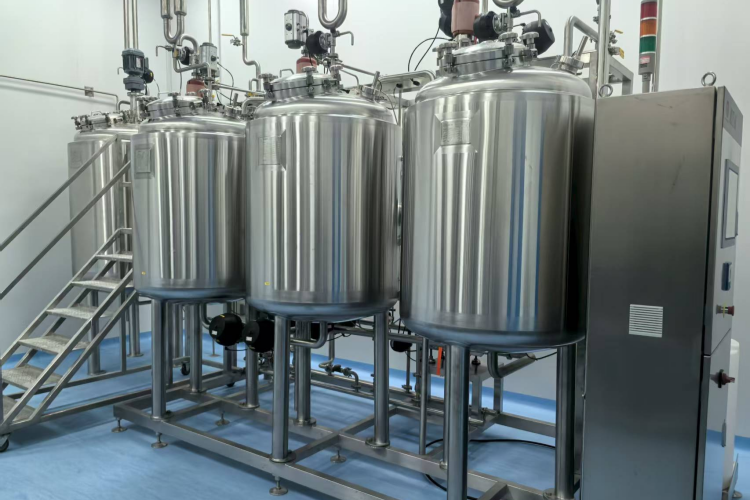
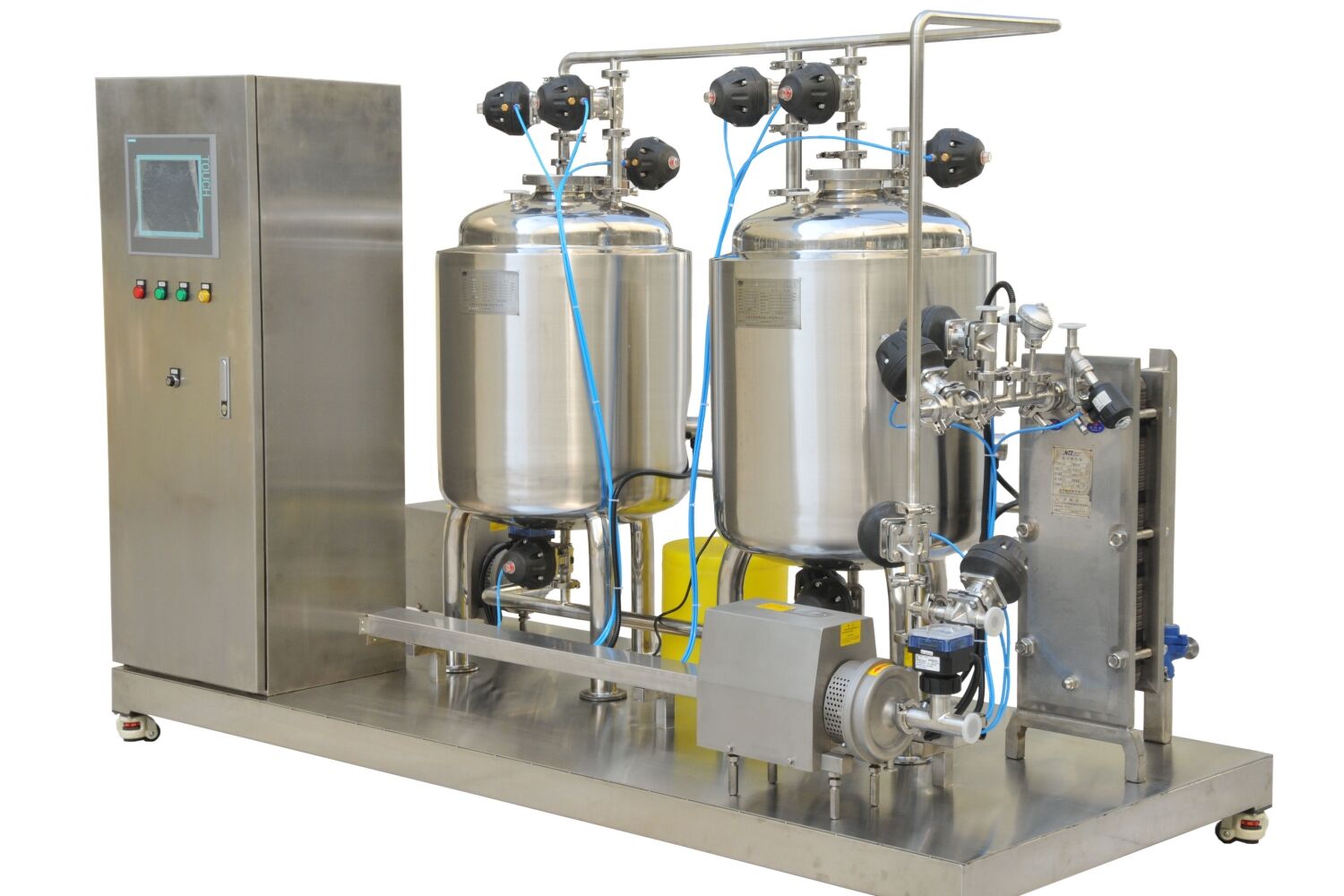
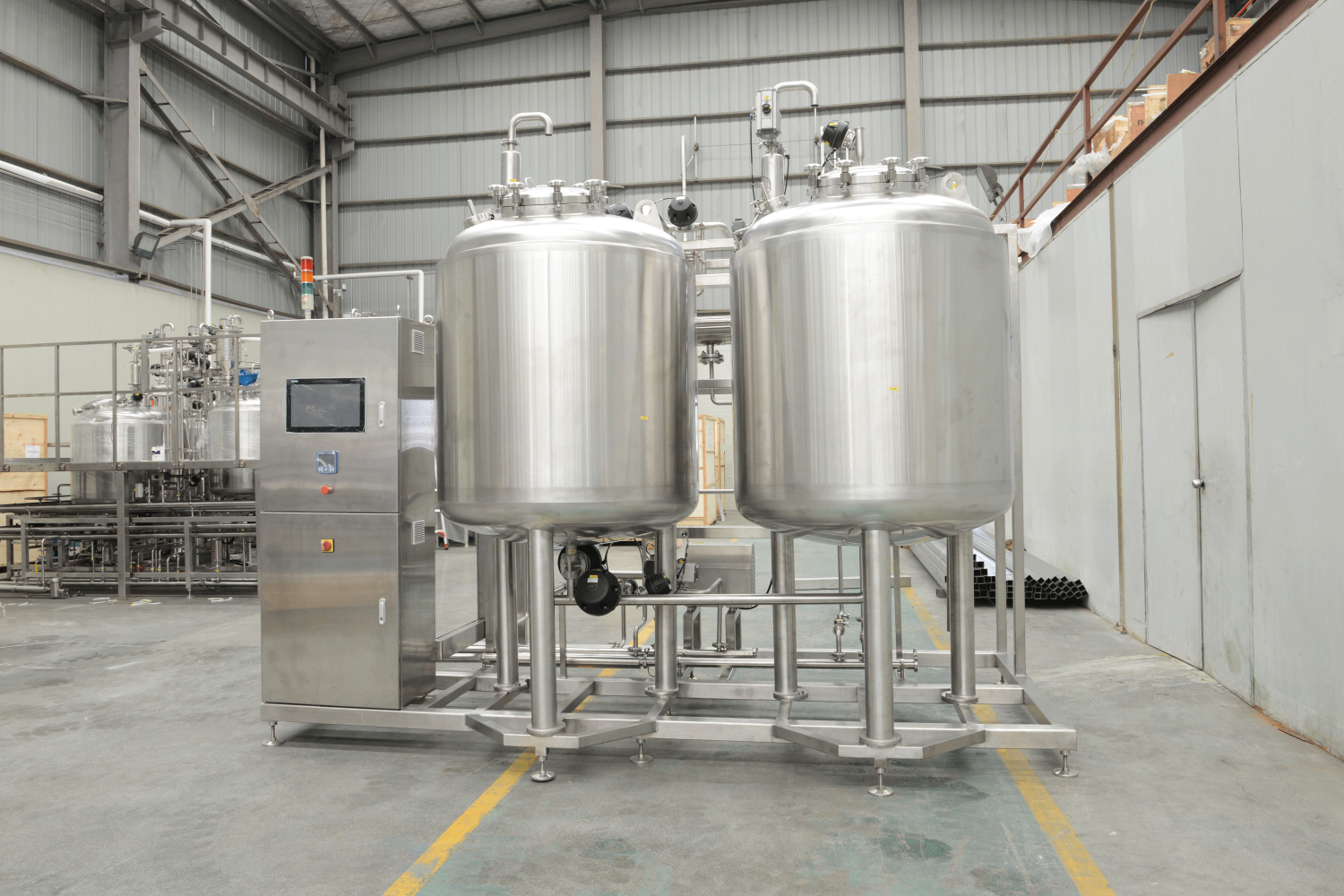
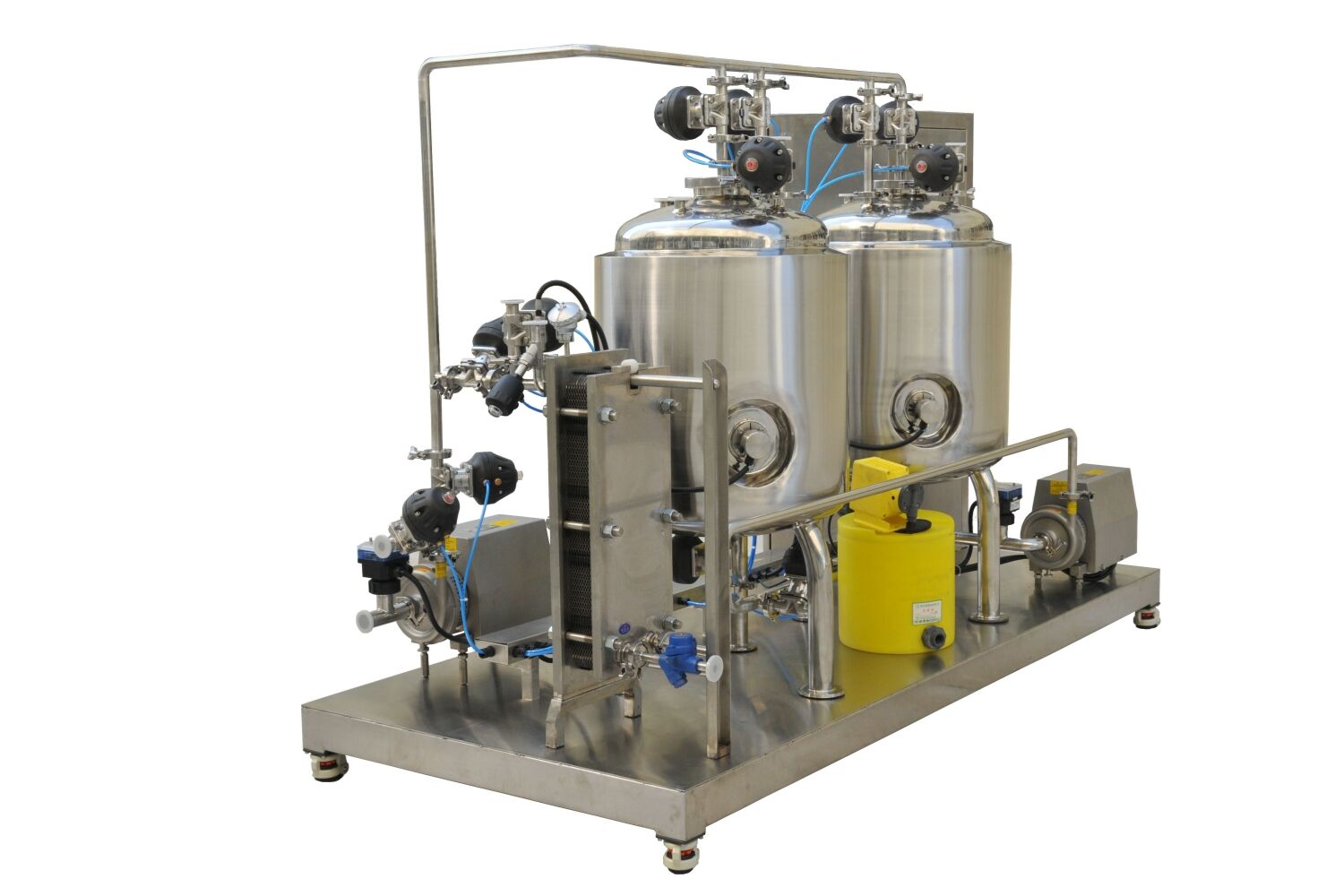
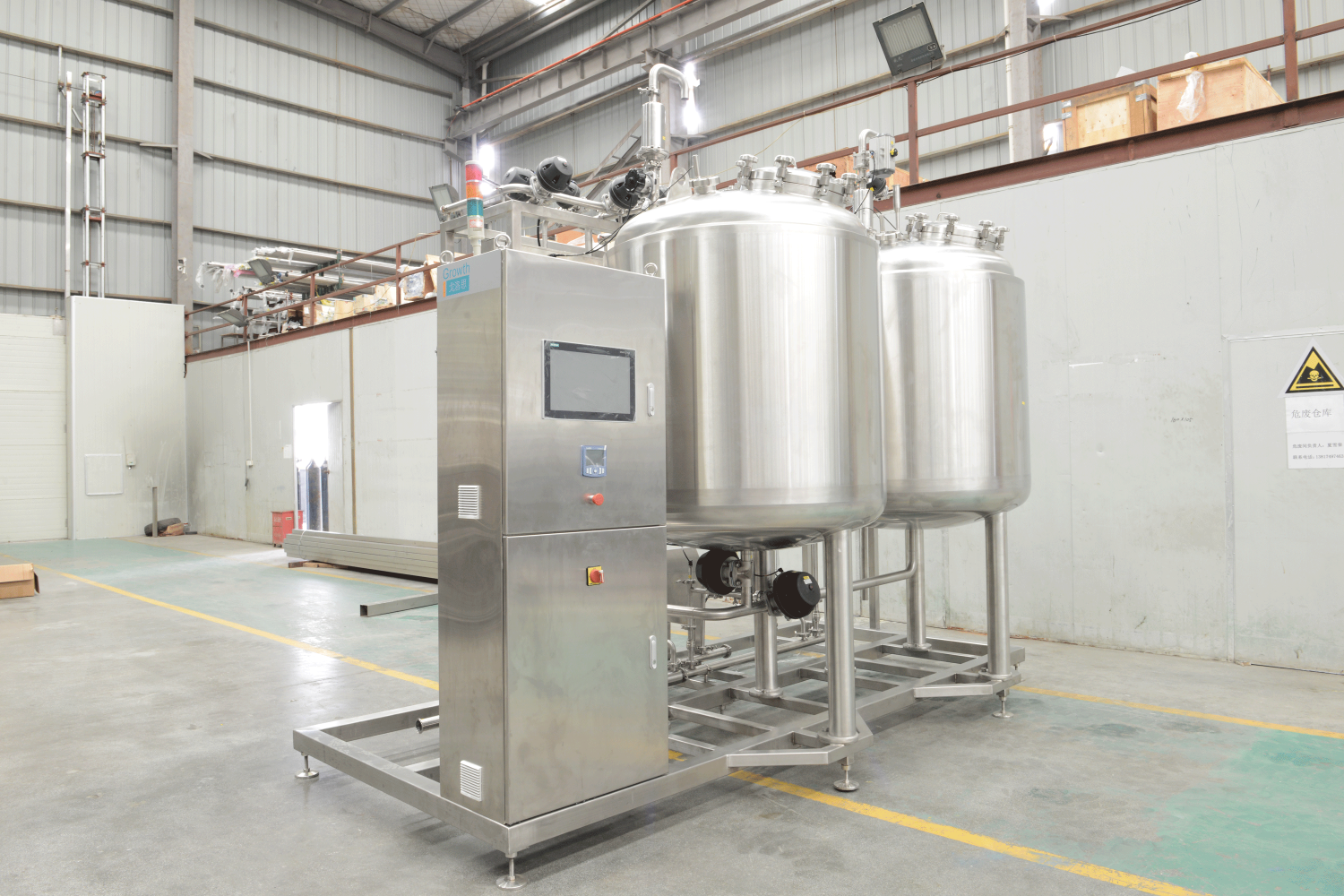
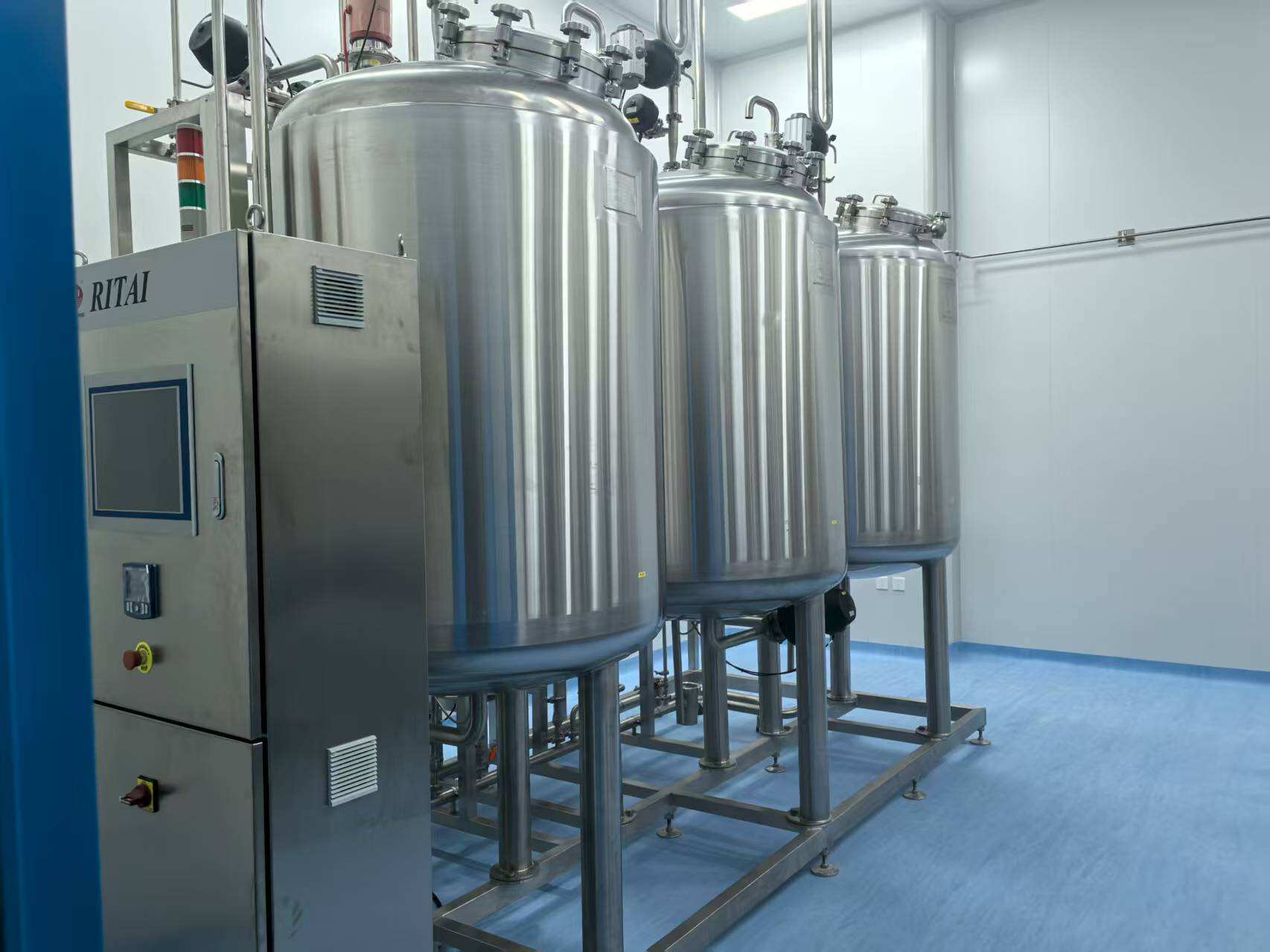
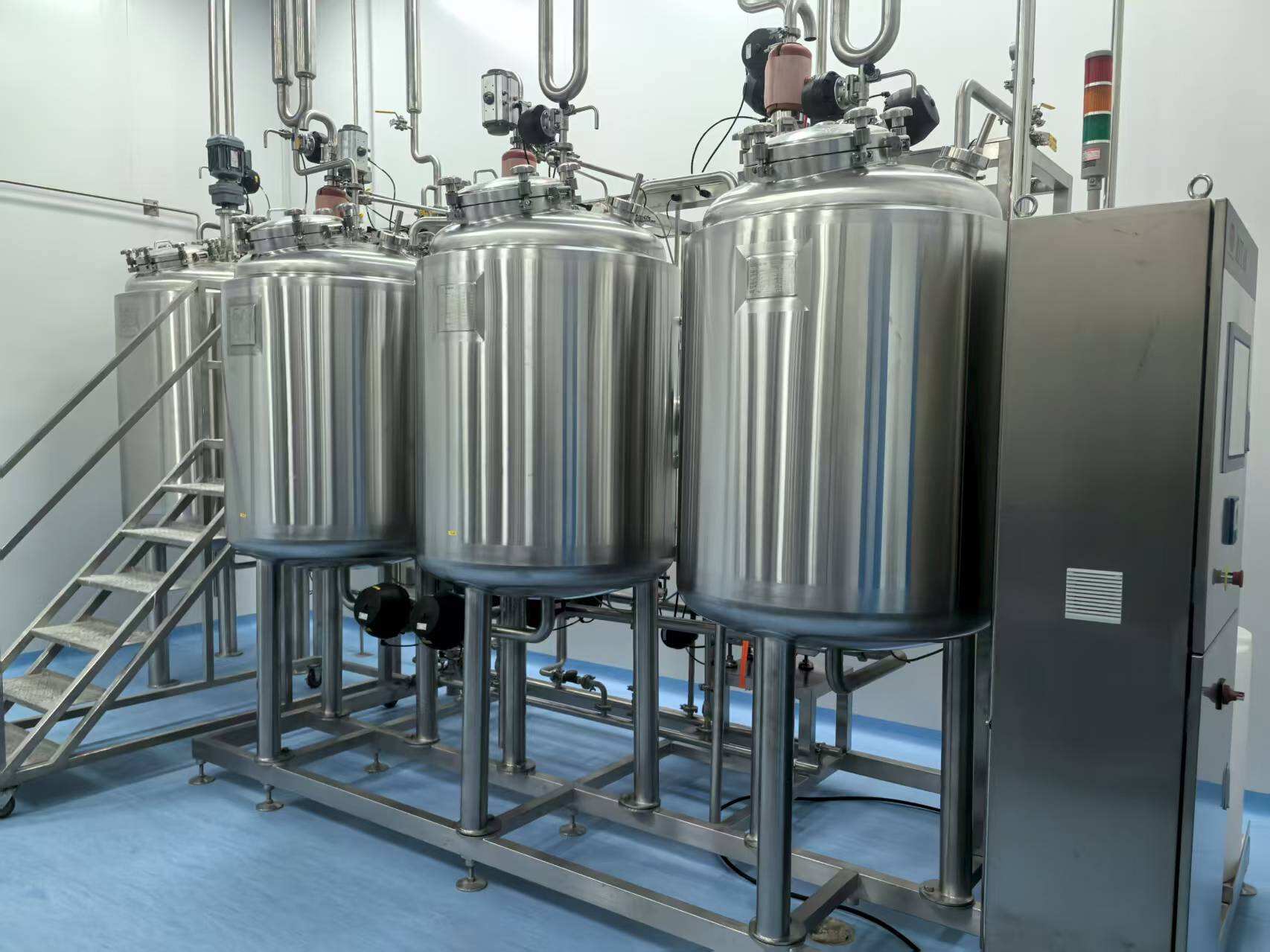
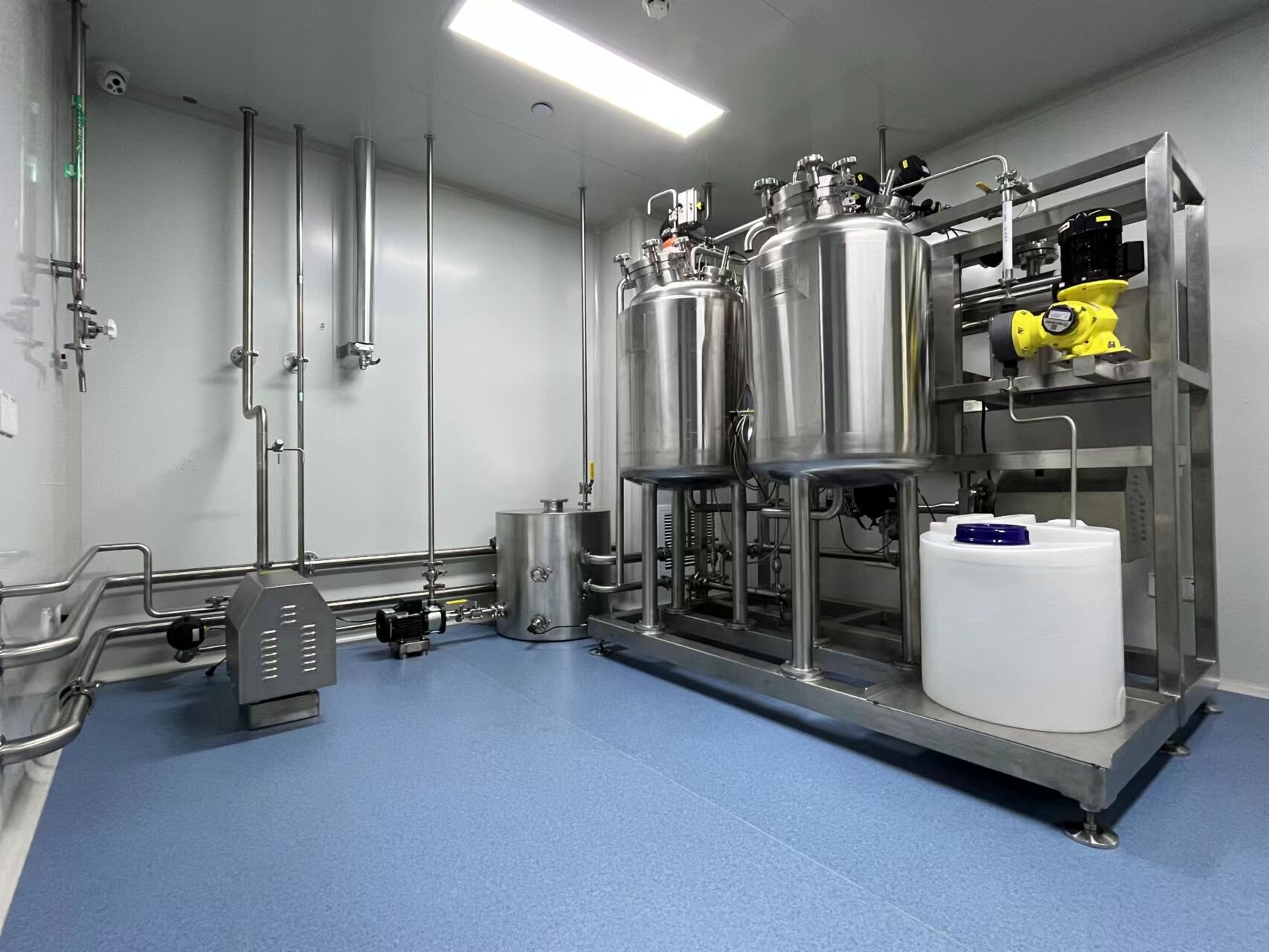
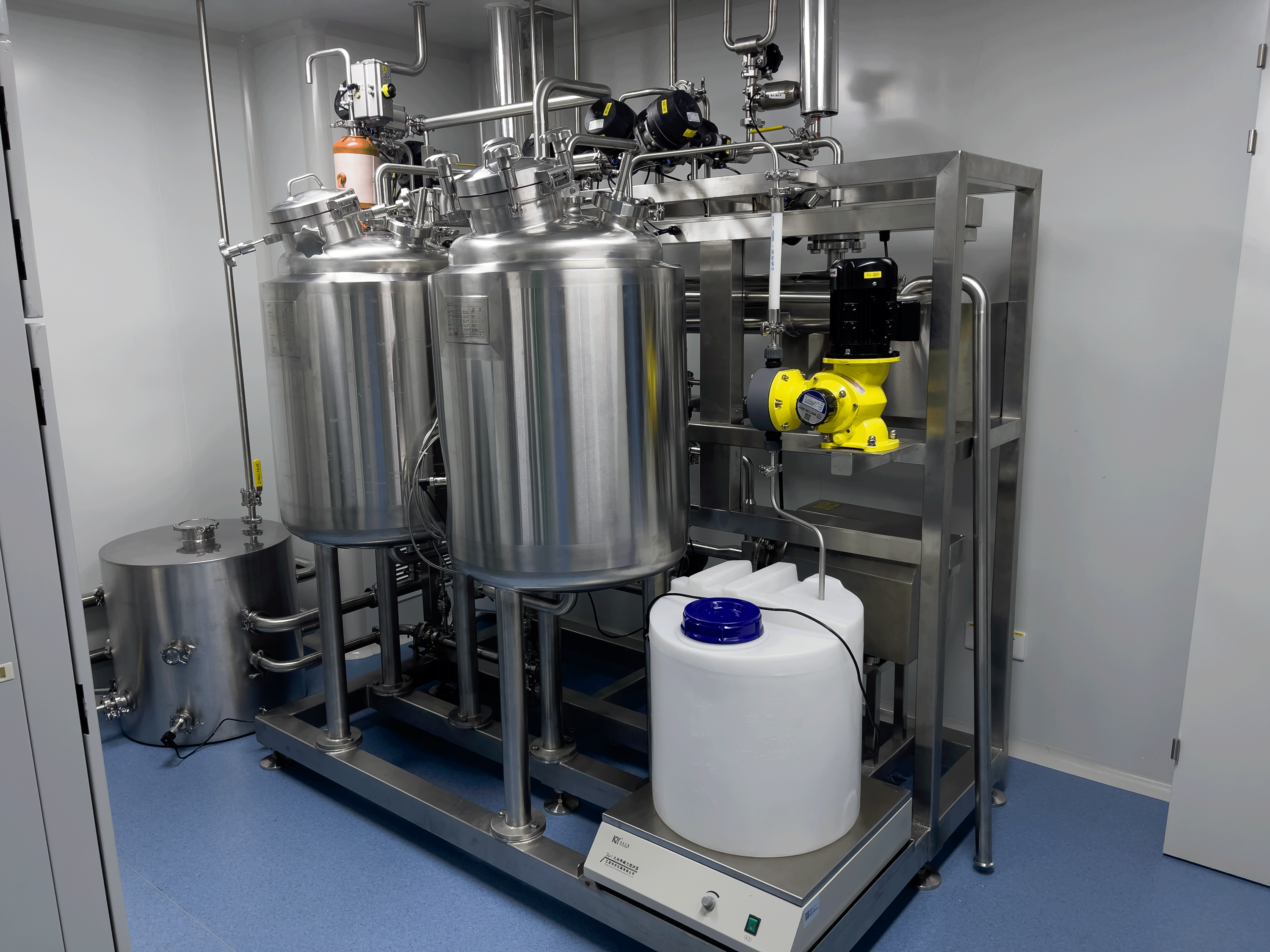
The CIP System (Clean-in-Place workstation) is an automated cleaning solution specifically designed for the biopharmaceutical and biotechnology industries. It supports either fixed or mobile installation and is available in single-tank, dual-tank, or multi-tank configurations. The system integrates functions such as heating and automatic dosing of acidic/alkaline cleaning agents. Controlled fully via PLC and touchscreen interface, it enables flexible adjustment of cleaning parameters—including temperature, pressure, flow rate, and cleaning duration—and automatically prepares and verifies cleaning agent concentrations to ensure cleaning efficacy that is both verifiable and repeatable. All operational data are automatically recorded, complying with international standards such as GMP, FDA, and EHEDG, delivering a safe, efficient, and compliant Clean-in-Place solution for biopharmaceutical production lines.
Detailed Product Description
In the biopharmaceutical and biotechnology industries, equipment cleanliness directly impacts product quality and patient safety. Traditional manual disassembly and cleaning methods are not only time-consuming and labor-intensive but also carry risks of human error and cross-contamination.
The CIP system (Clean-in-Place workstation)—an automated technology that cleans equipment without disassembly—has become critical infrastructure in modern biopharmaceutical manufacturing. It is widely used for cleaning and sterilizing equipment such as vaccine production lines, bioreactors, fermenters, and formulation systems.
This product is purpose-built for the biopharmaceutical and biotech sectors. Through modular architecture, precise automated control, and comprehensive validation support, it delivers a safe, efficient, and fully traceable Clean-in-Place solution.
1. Product Overview
The CIP system is a computer-program-controlled automated cleaning technology that enables internal cleaning of production equipment through a closed-loop piping system—without requiring equipment disassembly—by circulating cleaning solutions (e.g., acids, alkalis, and sanitizers).
Its core advantage lies in full compliance with international standards including GMP, FDA, and EHEDG, ensuring cleaning processes are safe, verifiable, and repeatable—effectively preventing cross-contamination and safeguarding the quality and safety of biopharmaceutical products.
This workstation features a 3D modular design with a compact and aesthetically pleasing footprint. It can be flexibly configured based on actual customer requirements, supporting fixed or mobile installation, and offered in single-, dual-, or multi-tank configurations. Integrated functions include heating and automatic acid/alkali dosing.
The system operates in passive mode, seamlessly interfacing with existing customer production lines without disrupting normal operations. Through full automation, it achieves precise regulation and real-time monitoring of cleaning parameters, delivering a cleaning efficiency of up to 99.97%—far surpassing traditional methods—while significantly reducing operator workload and safety risks.
2. System Composition and Working Principle
The CIP system comprises multiple key components that work in concert to deliver fully automated, high-precision in-place cleaning.
2.1 Core Components
1.Cleaning Solution Storage Tanks: Including hot caustic tank, hot water tank, acid tank (optional), and purified water tank, with capacities ranging from 150 L to 5,000 L, customizable per client needs.
2.Circulation Pump System: Comprising centrifugal and self-priming pumps, with flow rates from 3 to 2,000 m³/h, ensuring sufficient turbulence in pipelines (Reynolds number Re > 3,000; recommended Re > 30,000) to enhance cleaning effectiveness.
3.Heating System: Utilizes plate heat exchangers or steam heating to raise cleaning solution temperature to 60–80°C, accelerating chemical reactions and improving cleaning efficiency.
4.Acid/Alkali Dosing Unit: Includes concentrated acid/alkali storage tanks, metering pumps, and mixing devices for precise control of cleaning agent concentration.
5.Sensor Network: High-accuracy sensors for temperature (±0.1°C), conductivity (±1% FS), pH, and pressure (±0.5% FS) provide real-time process monitoring.
6.Control Cabinet: Equipped with Siemens S7-1500 series PLC and TP1200 Comfort series touchscreen for precise process control and program optimization.
7.Distribution Piping: Constructed per ASME BPE standards, with internal surface roughness Ra ≤ 0.4 μm and slope ≥ 1–2% to ensure smooth circulation of cleaning fluids.
2.2 Working Principle
The CIP system operates based on the synergistic action of three forms of energy: chemical, thermal, and mechanical.
1.Chemical Energy: Appropriate chemical agents (e.g., 1–3% NaOH for protein/fat removal; 0.5–1% HNO₃ for mineral scale) dissolve and break down residues on equipment surfaces. Alkaline cleaning effectively removes organic soils, while acid cleaning dissolves inorganic deposits like calcium salts.
2.Thermal Energy: Elevating cleaning solution temperature (typically 60–80°C) reduces viscosity and accelerates reaction kinetics. For every 10°C increase, reaction rates rise by 1.5–2.0×, significantly shortening cleaning time.
3.Mechanical Energy: Maintaining fluid velocity ≥1.5 m/s and pressure stability (fluctuation ≤0.01 MPa) generates turbulent flow (Re > 3,000). Optimized Reynolds numbers enhance turbulence, leveraging fluid shear force to dislodge surface residues.
The entire cleaning cycle executes automatically via pre-programmed sequences—no manual intervention required. The system autonomously controls preparation, heating, circulation, and discharge of cleaning solutions, ensuring the entire process occurs under validated, controlled conditions compliant with GMP.
3. Cleaning Function Modules
The CIP system offers a comprehensive suite of cleaning modules that users can freely combine based on process requirements:
1.Pre-Rinse Module: Removes loose residues in preparation for subsequent cleaning steps.
2.Alkaline Wash Module: Breaks down protein and fat-based contaminants.
3.Acid Wash Module (optional): Neutralizes residual alkali and dissolves mineral scales.
4.Hot Purified Water Rinse Module: Removes acidic residues.
5.WFI (Water for Injection) Rinse Module: Eliminates all chemical traces.
6.SIP Sterilization Module (optional): Performs sterilization using high-temperature steam or hot water.
7.Drying Module (optional): Uses sterile air or nitrogen to dry equipment internals.
8.Cleaning Endpoint Detection Module: Automatically determines when cleaning is complete.
The system enables fully automated control of production, cleaning, and sterilization, supporting rapid switching between multiple cleaning programs and parameter adjustments to meet diverse biopharmaceutical cleaning requirements.
4. Automation Control Features
The automation control system is the CIP system’s core competitive advantage, featuring:
1.PLC Control: Siemens S7-1500 PLC with programming compliant with GAMP5 V-model—ensuring high stability and full traceability.
2.Touchscreen Interface: 7–21” industrial-grade touchscreen with intuitive graphical display of cleaning workflows.
3.Recipe Management: Stores multiple cleaning recipes; supports quick recall and batch import/export (CSV format).
4.Multi-Language Support: Interface available in Chinese, English, French, Russian, etc., using Unicode encoding for global pharmaceutical enterprises.
5.Remote Monitoring: Optional IoT module enables remote diagnostics and troubleshooting.
6.Data Traceability: Automatically logs 26 critical parameters, meeting data integrity requirements.
7.Alarm System: Continuously monitors system status; triggers immediate alarms and protective actions upon anomalies.
Operating in passive mode, the system dynamically adjusts cleaning schedules based on the production line’s operational status—avoiding interference with normal production. It supports synchronized cleaning of multiple units or priority-based sequential cleaning to maximize resource utilization.
5. Application Scenarios and Case Studies
The CIP system is widely deployed across critical segments of the biopharmaceutical and biotech industries, effectively ensuring product quality and production safety.
Application Scenarios
1.Vaccine Production Lines: CIP + SIP cleaning of 50 m³ fermenters increases batch capacity by 25% and reduces cleaning cycle time to 90 minutes.
2.Cell Culture Systems: Cleaning of 100–500 L bioreactors raises process scale-up success rate from 60% to 92%.
3.Formulation Systems: Fully automated cleaning of pharmaceutical compounding systems prevents cross-contamination between batches.
4.Fermentation Workshops: Cleaning of equipment used for polysaccharide products (e.g., hyaluronic acid) improves product stability and quality.
5.Purified Water Systems: Cleaning of Water-for-Injection (WFI) systems ensures endotoxin levels ≤0.1 EU/mL.
6.Bioactive Supplement Production Lines: Cleaning of extraction, concentration, and formulation equipment enhances overall line utilization.