ClP Systems - Product Category
As a professional supplier of bioreactors and biopharmaceutical equipment solutions, we are committed to providing high-quality, customized Clean-in-Place (CIP) systems to meet the strict cleaning requirements of the biopharmaceutical, food, beverage, and other process industries. Our CIP systems are designed to ensure the hygiene and safety of production processes, improve operational efficiency, and comply with international industry standards and regulatory requirements. Below is a detailed overview of our CIP system product portfolio, including their core features, configuration options, and application advantages.
1. What is a CIP System?
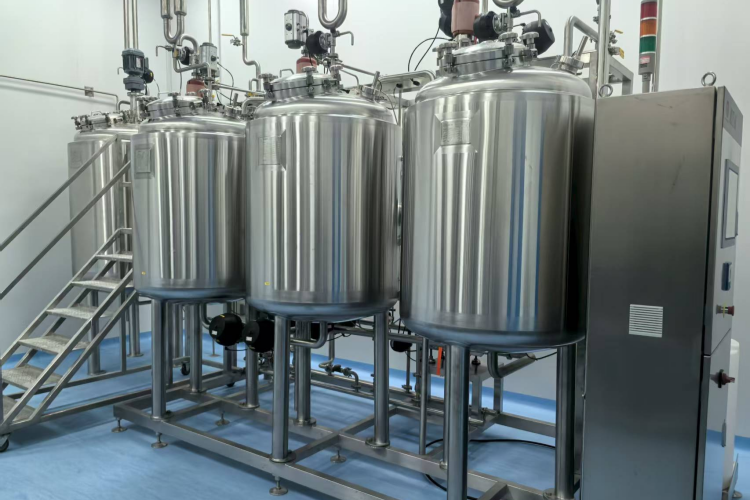
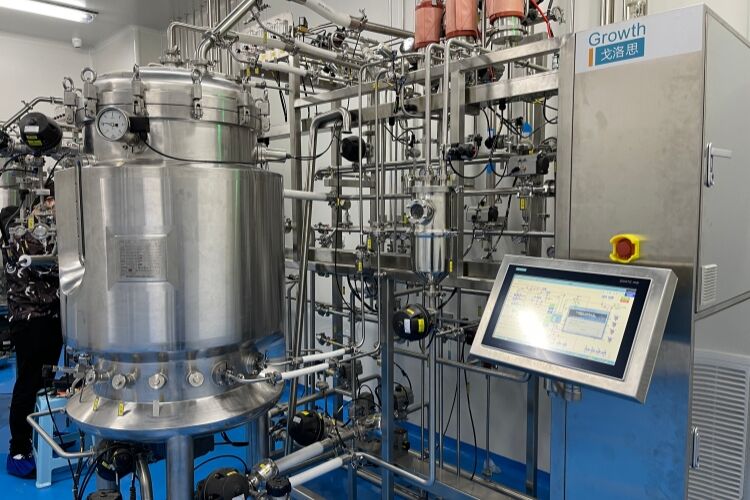
Our CIP workstation is an independent process module, typically operating in a passive mode. Unlike traditional manual cleaning methods, the CIP system enables automated cleaning of equipment and pipelines without disassembly, which greatly reduces labor intensity, shortens cleaning cycles, and avoids cross-contamination risks caused by manual operations. It is an essential key equipment in modern automated production lines, especially critical for industries with high hygiene requirements such as biopharmaceuticals, where product quality and safety are paramount.
2. Core Configuration Options of Our CIP Systems
We understand that different customers have unique cleaning processes and on-site layout requirements. Therefore, we offer a high degree of customizable CIP systems with a variety of configuration options to ensure optimal compatibility with your production line. Our configuration flexibility is reflected in the following aspects:
2.1 Type Selection: Fixed or Mobile
Based on your production site conditions and cleaning scope, we provide both fixed and mobile CIP systems. The fixed CIP system is designed for long-term, stable cleaning of specific production lines or equipment clusters. It is fixedly installed in a designated area, with pipelines directly connected to the equipment to be cleaned, ensuring continuous and efficient cleaning operations. This type is particularly suitable for large-scale, continuous production facilities where the cleaning points are fixed and the cleaning frequency is high.
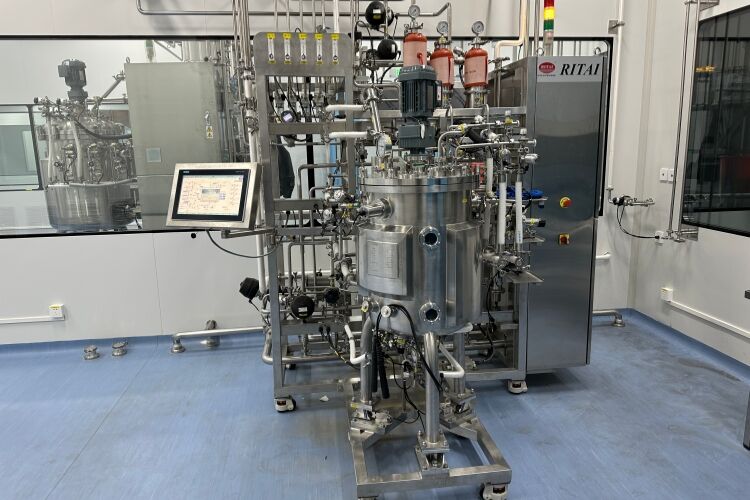
The mobile CIP system, on the other hand, is equipped with casters or a mobile frame, allowing for easy movement between different cleaning points. It is an ideal choice for small to medium-sized production facilities, multi-purpose production lines, or scenarios where temporary cleaning is required. The mobile design eliminates the need for extensive pipeline modification, reducing installation costs and improving the utilization rate of the equipment. It can be quickly deployed to clean different equipment such as tanks, reactors, and pipelines, providing great flexibility for production scheduling.
2.2 Tank Structure: Single-Tank, Dual-Tank, or Multi-Tank
The tank structure of the CIP system is tailored to your cleaning process complexity. The single-tank CIP system integrates cleaning solution storage, heating, and circulation in one tank, featuring a compact structure and low cost. It is suitable for simple cleaning processes that require only one type of cleaning agent (such as water or a single detergent) and is widely used in small-scale production or preliminary cleaning operations.
The dual-tank CIP system consists of two independent tanks, usually used for storing acidic and alkaline cleaning agents separately. This design avoids the neutralization reaction caused by mixing different cleaning agents, ensuring the effectiveness of each cleaning step. It is suitable for cleaning processes that require sequential acid and alkali cleaning, such as removing protein deposits and mineral scales in biopharmaceutical equipment. The dual-tank system can also be configured with a water rinsing tank to further improve cleaning efficiency.
For more complex cleaning processes that require multiple cleaning agents (such as acid, alkali, solvent, and disinfectant) or multi-stage rinsing, we offer multi-tank CIP systems. The number of tanks and their functions can be customized according to your specific process requirements. The multi-tank system enables automated switching between different cleaning stages, ensuring thorough cleaning and meeting the strict hygiene standards of high-end biopharmaceutical production.
2.3 Functional Add-ons
To enhance the cleaning effect and adapt to different types of contaminants, our CIP systems can be optionally equipped with various functional modules, including:
Heating System: Equipped with a high-efficiency heater (electric, steam, or thermal oil heating) to heat the cleaning solution to the optimal temperature. Higher temperatures can significantly improve the solubility and reactivity of contaminants, especially for oil stains, proteins, and other difficult-to-remove deposits. The heating system is equipped with an automatic temperature control device to ensure stable temperature during the cleaning process.
Acid/Alkali Dosing System: Automatically adds acidic or alkaline cleaning agents according to the preset formula. The dosing system is equipped with precision metering pumps to ensure accurate control of the cleaning agent concentration, avoiding excessive use of chemicals and reducing environmental pollution and operating costs.
Disinfection Module: Optional UV disinfection, ozone disinfection, or chemical disinfection modules to meet the sterilization requirements of critical production processes. The disinfection process is fully integrated into the automated cleaning cycle, ensuring that the equipment surface meets the sterile standards after cleaning.
Filtration System: Equipped with high-precision filters to remove impurities and suspended solids in the cleaning solution, preventing re-contamination of the equipment to be cleaned and protecting the circulation pump and other key components from wear.
3. Fully Automated Cleaning Process
All our CIP systems adopt a fully automated cleaning mode, which minimizes human intervention and ensures the consistency and reliability of cleaning results. The core features of the automated system include:
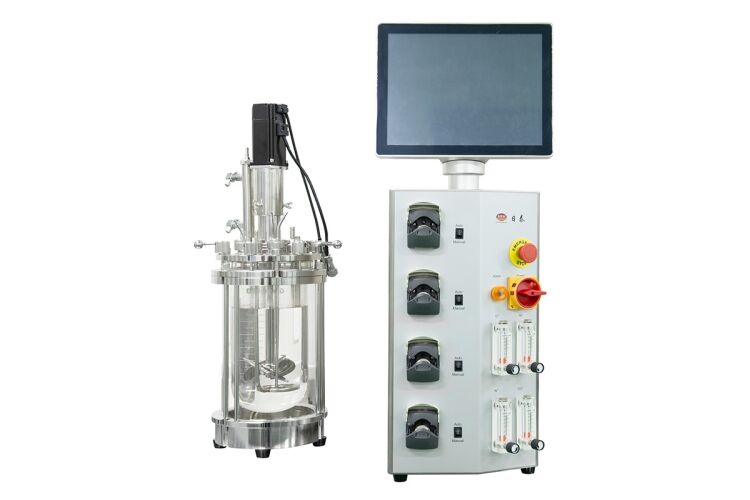
Intuitive Human-Machine Interface (HMI): The system is equipped with a touch-screen HMI that provides graphical display of the entire cleaning process. Operators can easily monitor the real-time status of each cleaning stage, including cleaning time, pressure, flow rate, temperature, and cleaning agent concentration. The HMI also supports multi-language operation, facilitating use by international customers.
Flexible Formula Adjustment: Customers can flexibly adjust the cleaning formula through the HMI to meet the cleaning requirements of different production processes. The system allows storing multiple sets of cleaning formulas, which can be quickly recalled and used when switching between different products or production batches. This flexibility makes our CIP systems suitable for multi-variety, small-batch production modes.
Automatic Process Parameter Control: The system automatically adjusts key process parameters such as cleaning time, pressure, flow rate, and temperature according to the preset formula. For example, during the acid cleaning stage, the system will automatically control the flow rate of the acidic cleaning solution to ensure sufficient contact time with the equipment surface; during the rinsing stage, it will adjust the water pressure to ensure thorough removal of residual cleaning agents. The automatic control of parameters ensures that each cleaning cycle is carried out in strict accordance with the standard operating procedures (SOPs), avoiding quality risks caused by human error.
Automatic Cleaning Agent Preparation and Effect Detection: The CIP system can automatically prepare cleaning agents of different concentrations according to the process requirements. It is equipped with sensors to detect the concentration of the cleaning solution in real-time, ensuring that the concentration meets the preset standards. After the cleaning process is completed, the system can also automatically detect the cleaning effect, such as measuring the conductivity of the rinsing water to determine whether there are residual cleaning agents or contaminants. If the cleaning effect does not meet the requirements, the system will automatically trigger a re-cleaning cycle, ensuring that the equipment is thoroughly cleaned.
4. Compliance and Traceability
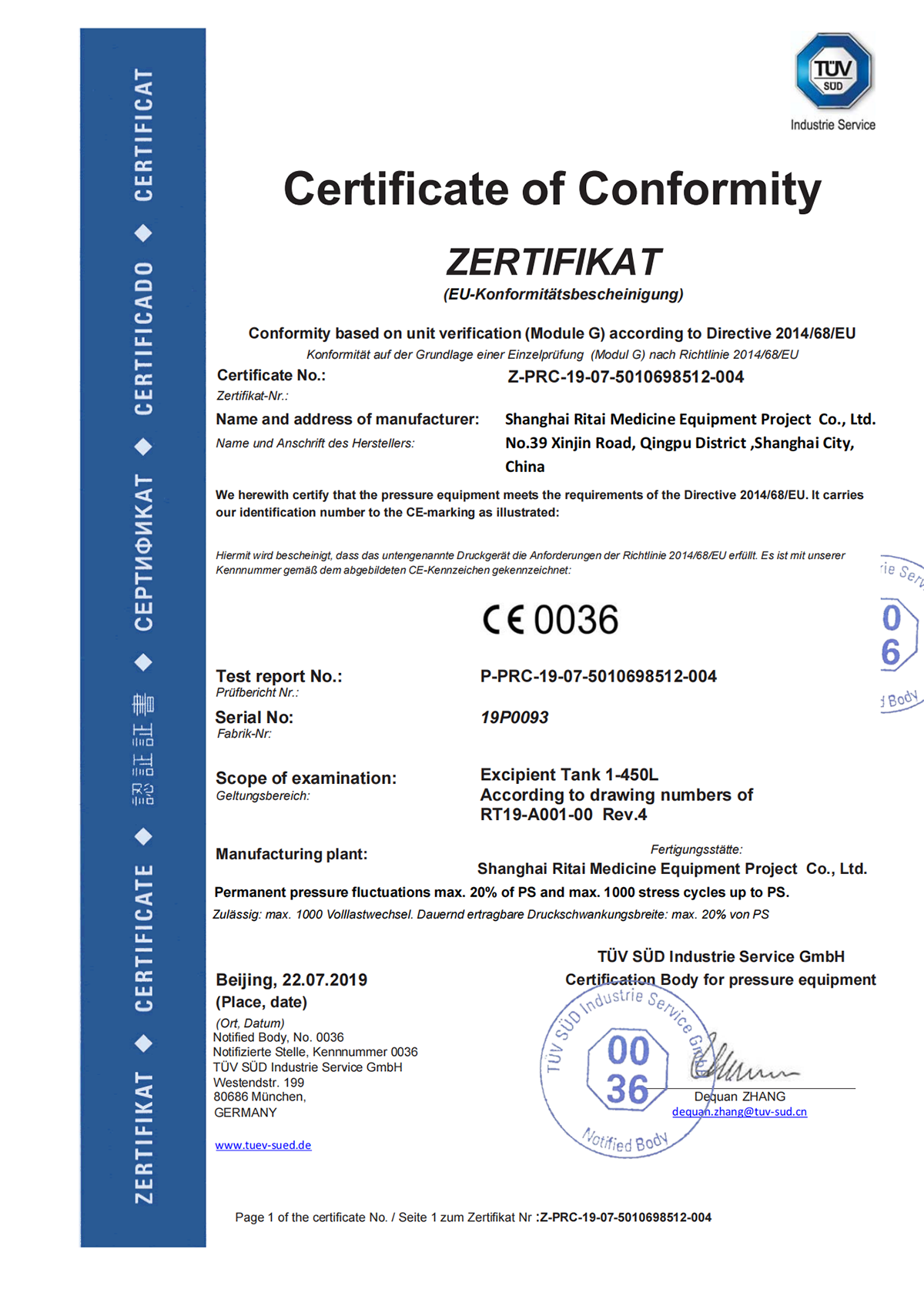
In the biopharmaceutical and other regulated industries, compliance with international standards (such as FDA, EMA, GMP) is crucial. Our CIP systems are designed with compliance in mind, and all operations are automatically recorded in detail. The data recorded includes cleaning time, date, operator, process parameters (temperature, pressure, flow rate, concentration), cleaning agent batch number, and cleaning effect detection results. This data can be easily exported, printed, or integrated into the enterprise's Manufacturing Execution System (MES), providing complete traceability for system certification and audit.
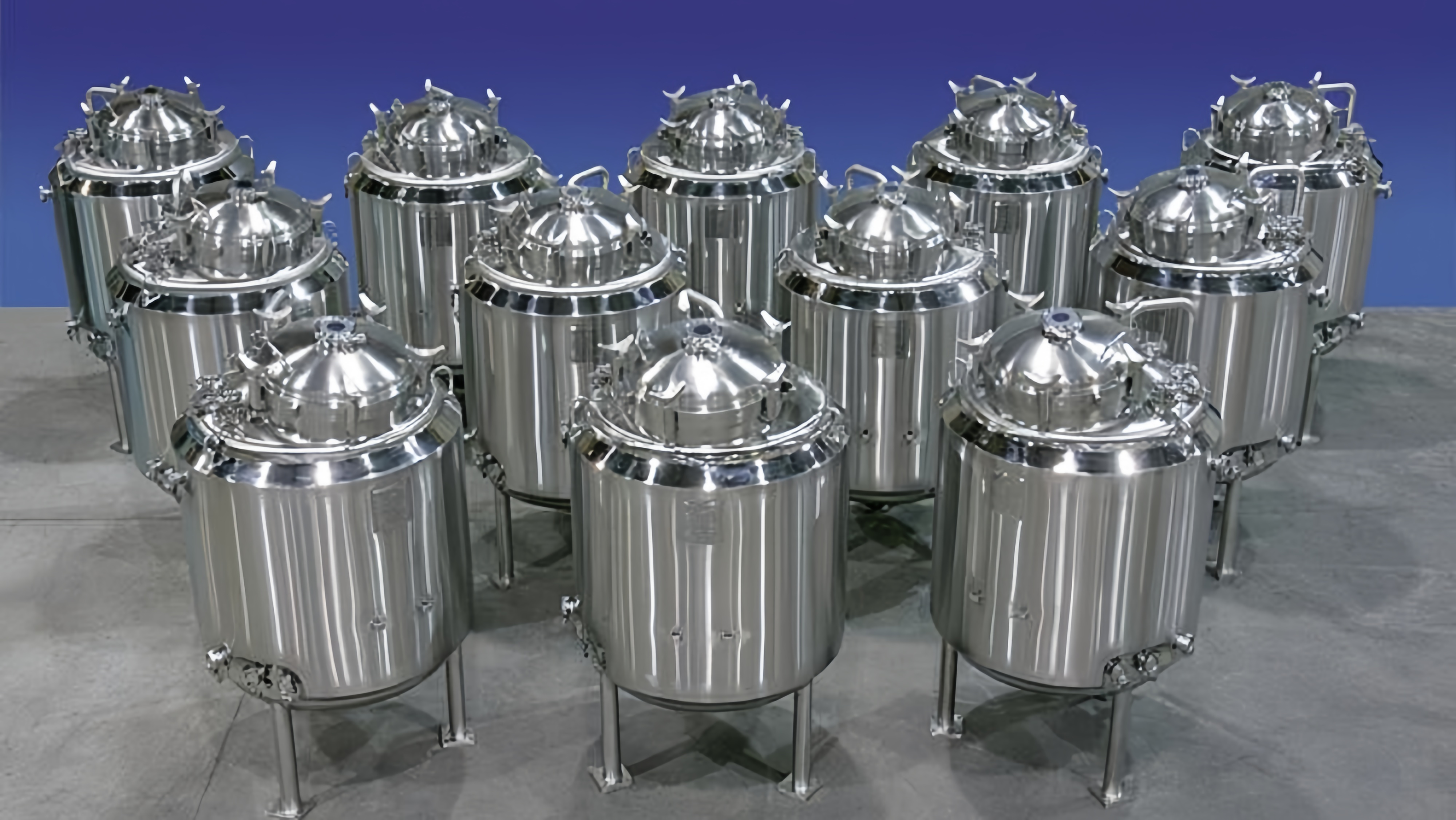
In addition, our CIP systems are manufactured using high-quality materials that meet pharmaceutical-grade requirements, such as 316L stainless steel for contact parts, which has excellent corrosion resistance and hygiene performance. The equipment structure is designed to avoid dead ends, ensuring thorough cleaning and no residue accumulation. We also provide comprehensive documentation support, including equipment qualification documents (IQ, OQ, PQ), operation manuals, and maintenance guides, to help customers smoothly complete system certification and daily operation.
5. Application Advantages of Our CIP Systems
Choosing our CIP systems brings multiple advantages to your production operations:
Improve Product Quality: Automated, thorough cleaning avoids cross-contamination and residue accumulation, ensuring the purity and safety of products.
Enhance Operational Efficiency: Compared with manual cleaning, the CIP system significantly shortens the cleaning cycle, improves equipment utilization, and reduces labor costs.
Reduce Operational Costs: Precise control of cleaning agent concentration and dosage reduces chemical consumption; automated operation reduces human error and related losses.
Ensure Compliance: Complete data traceability and compliance design help customers meet regulatory requirements and pass audits smoothly.
Customizable Solutions: According to the specific needs of customers, we provide personalized configuration options to ensure the best compatibility with the production line.
6. Our Commitment
As a professional supplier of biopharmaceutical equipment solutions, we not only provide high-quality CIP systems but also offer comprehensive after-sales services, including installation and commissioning, operator training, maintenance, and technical support. Our team of professional engineers has rich experience in the biopharmaceutical industry and can provide timely and effective solutions for any problems encountered by customers during the use of the equipment.
Whether you need a simple single-tank fixed CIP system or a complex multi-tank mobile CIP system with multiple functional modules, we can tailor the most suitable solution for you. Contact us today to learn more about our CIP systems and how they can help optimize your production processes.