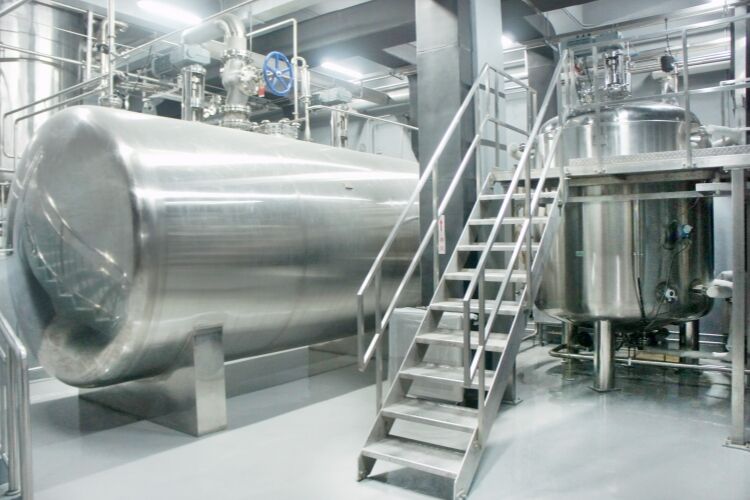
The Pathogen-Containing Wastewater Inactivation System is a specialized treatment equipment designed for wastewater containing pathogenic microorganisms generated by biopharmaceutical enterprises, laboratories, and scientific research institutions.
This system employs physical high-temperature sterilization technology, directly heating wastewater with steam to 150°C, effectively inactivating pathogenic bacteria, viruses, and other microorganisms in the effluent. This ensures safe discharge and compliance with national environmental regulations.
It is suitable for biosafety laboratories of all levels—including BSL-3 and BSL-4—as well as biopharmaceutical manufacturing facilities. Featuring a modular design, the system can be customized to various capacities, with inactivation tank working volumes ranging from 1,000 L to 10,000 L, and a daily treatment capacity of up to 200 m³, meeting wastewater processing needs of any scale.
Core Product Advantages
1. High-Temperature Sterilization Reliability
The system utilizes a 150°C high-temperature sterilization process, significantly exceeding the 121°C standard specified in China’s GB 19489-2008 “General Requirements for Laboratory Biosafety.” This ensures more thorough and efficient microbial kill.
Sterilization efficacy is validated using the F₀ value, a key parameter that quantifies sterilization reliability by expressing the equivalent sterilization time at 121°C for 30 minutes under specific temperature and time conditions.
At this elevated temperature, the system achieves an inactivation rate of 99.99%, guaranteeing complete loss of infectivity of pathogens in the wastewater.
Inactivation Mechanisms:
1.Bacteria: High temperature breaks hydrogen bonds in bacterial proteins and nucleic acids, causing denaturation or coagulation, enzyme deactivation, and ultimately cell death.
2.Viruses: Heat causes chemical bonds in viral DNA and RNA to absorb energy and rupture, destroying genetic material and achieving viral inactivation.
3.Advantages: As a physical method, it produces no secondary pollution, ensures complete inactivation, allows traceable validation, and complies with GMP certification requirements.
2. Waste Heat Recovery for Energy Efficiency
Traditional batch-type pathogen wastewater inactivation systems suffer from high energy consumption and excessive cooling water usage.
This system innovatively incorporates waste heat recovery technology: heat from the post-inactivation hot wastewater is recovered via a heat exchanger coil and used to preheat incoming wastewater. This reduces steam consumption by 40%, significantly lowering operational costs.
3. Intelligent Automated Control System
Equipped with a Siemens S7-1200 PLC fully automatic control system and a TP1200 touchscreen HMI, the unit enables unattended, fully automated operation, greatly reducing manual intervention and maintenance expenses.
Technical Specifications and Configurations
| Component |
Parameter |
Notes |
| Design Pressure |
0.4 MPa |
Inactivation tank designed and manufactured per pressure vessel standards (complies with GB 150.1-2011) |
| Design Temperature |
150°C |
Far exceeds industry-standard 121°C for more thorough inactivation |
| Inactivation Tank Volume |
1,000 L, 2,000 L, 3,000 L, 5,000–10,000 L |
Customizable per client needs; supports multi-tank configurations |
| Collection Tank Volume |
1.5–2× total inactivation tank volume |
e.g., dual 5,000 L tanks → collection tank: 7,500–10,000 L |
| Treatment Cycle Time |
~60 minutes per tank |
Includes filling, heating (10 min), sterilization (30 min), cooling (20 min), and discharge |
| Daily Treatment Capacity |
10–200 m³/day |
Depends on tank configuration and operating frequency; dual 5,000 L tanks can achieve 200 m³/day |
| Insulation Layer |
316 SS inner + 304 SS outer + modified polyurethane |
Thickness: 80–120 mm; minimizes heat loss and improves energy efficiency |
| Sensors |
PT100 temperature sensors, ultrasonic level sensors |
High accuracy and reliability for precise process control |
| Valves & Actuators |
304 stainless steel |
Supports in-place high-temperature sanitization to ensure hygiene |
| Exhaust Gas Treatment |
HEPA high-efficiency filter |
≥99.99% filtration efficiency for particles ≥0.22 μm, ensuring safe exhaust emission |
System Architecture and Working Principle
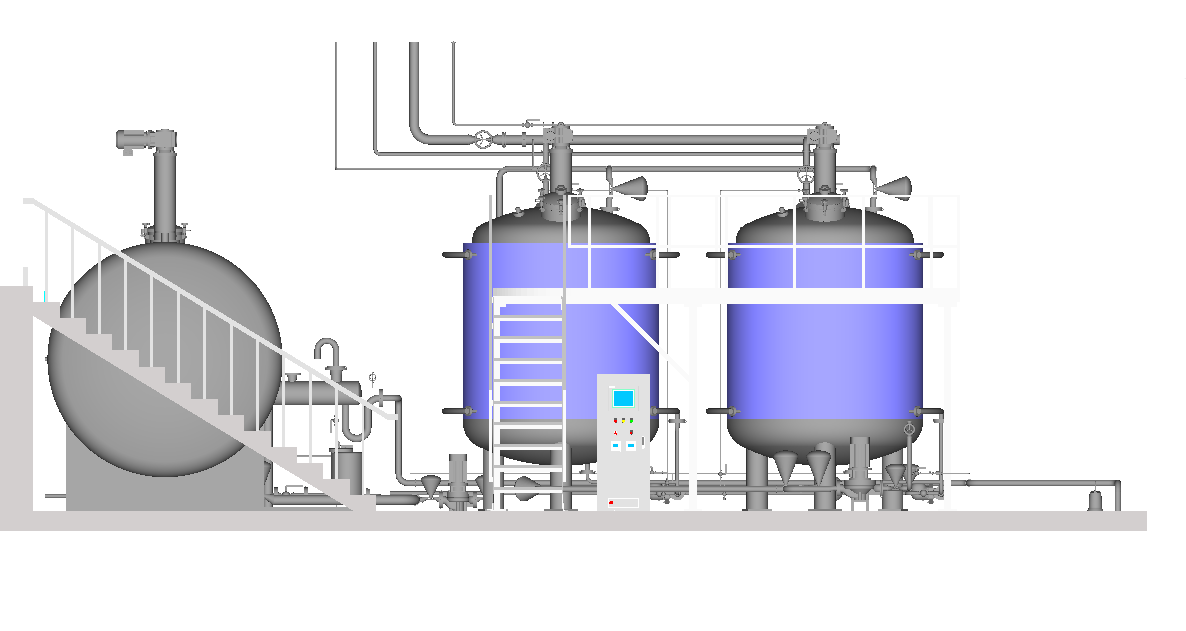
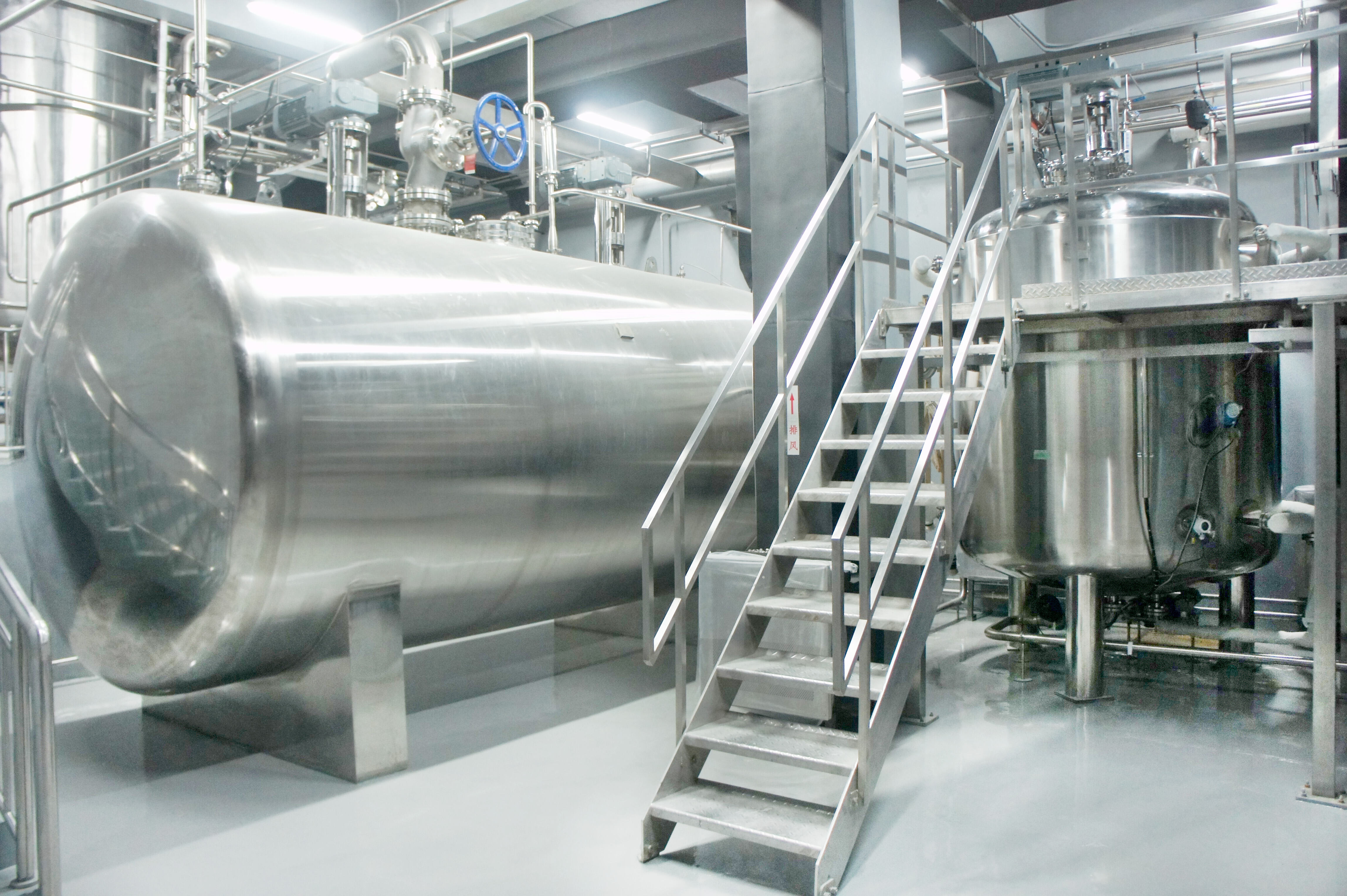
The system operates in a batch (sequencing batch reactor) mode, typically configured with one collection tank and two or more inactivation tanks, running intermittently to ensure energy efficiency, environmental friendliness, and reliable operation.
1. System Components
Collection Tank:
1.Designed as an atmospheric-pressure vessel for wastewater collection and temporary storage.
2.Volume is 1.5–2 times the total inactivation tank capacity, ensuring continuous workflow between collection and treatment.
3.Equipped with a liquid-level sensor for real-time monitoring.
Inactivation Tank:
1.Designed and manufactured per pressure vessel standards (GB 150.1-2011).
2.Features insulation layer (316 SS inner + 304 SS outer + 80–120 mm modified polyurethane) to minimize thermal loss.
3.Fitted with temperature, pressure, and level sensors for real-time monitoring of inactivation parameters.
4.Includes a HEPA filter (≥99.99% efficiency for ≥0.22 μm particles) to ensure safe exhaust gas discharge.
Control System:
1.Siemens S7-1215C PLC controller with Modbus RTU (RS-485) remote monitoring interface.
2.Siemens TP1200 touchscreen: 10.1-inch color display, 5-point touch, real-time display of process parameters.
2. Operational Workflow
Wastewater Collection:
1.Process wastewater is conveyed via sealed piping into the collection tank.
2.The tank continuously monitors liquid level; when the preset level is reached, the treatment cycle starts automatically.
Wastewater Inactivation:
1.Wastewater is transferred from the collection tank to an inactivation tank.
2.Steam, regulated by an electro-pneumatic control valve, heats the wastewater to 150°C via a steam-water mixer.
3.The system automatically logs sterilization temperature, duration, and other critical parameters to ensure traceability.
4.The full inactivation cycle lasts ~60 minutes: heating (10 min), sterilization hold (30 min), and cooling (20 min).
Treated Effluent Discharge:
1.Inactivated wastewater is cooled to below 40°C.
2.It is then automatically discharged via a drain valve to the downstream wastewater treatment system.
3.Discharge time and volume are automatically recorded to ensure complete operational data integrity.
System Self-Diagnostics:
1.Prior to startup, the system automatically checks valve status, pipeline seal integrity, and steam pressure.
2.In the event of a main PLC failure, a backup control system takes over within 5 seconds, ensuring uninterrupted operation.
3.A dual-tank alternating operation program balances equipment wear and extends service life.