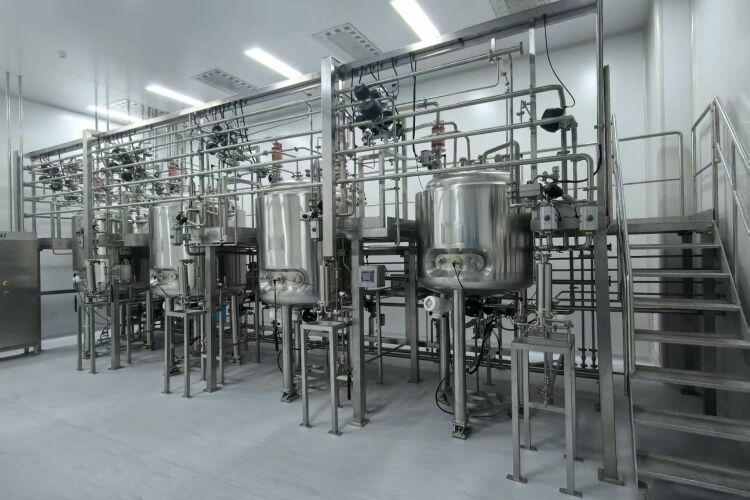
Bio-waste Inactivation Systems
In the field of biopharmaceutical production, the generation of bio-waste—including pathogenic wastewater, contaminated exhaust gas, and infected animal carcasses—is an inevitable byproduct. These bio-wastes contain a variety of hazardous pathogenic microorganisms such as pathogenic bacteria and viruses, which pose significant threats to public health, ecological security, and food safety if not properly treated. To address these critical challenges, we have developed a comprehensive portfolio of Bio-waste Inactivation Systems, tailored to meet the stringent safety and environmental requirements of the biopharmaceutical industry. Our systems adopt advanced inactivation technologies and intelligent control designs, ensuring thorough, efficient, and eco-friendly treatment of bio-wastes, thereby safeguarding the health of operators, the public, and the surrounding environment.
Pathogenic Wastewater Inactivation System
Wastewater discharged from biopharmaceutical production processes is often contaminated with pathogenic microorganisms, including various pathogenic bacteria and viruses. These contaminants are highly hazardous and must undergo rigorous disinfection and sterilization treatment to inactivate pathogens before being discharged into the sewage treatment system. Failure to do so may lead to the spread of diseases, pollution of water sources, and severe ecological consequences.
In response to this critical need, we have specifically developed a Pathogenic Wastewater Inactivation System based on physical sterilization principles. The core mechanism of this system relies on sustained and stable high temperatures to inactivate harmful microorganisms. For bacteria, high temperatures cause denaturation of bacterial cells or inactivation of coagulase, leading to their death. For viruses, the heat energy absorbed by DNA and RNA molecules breaks chemical bonds, thereby achieving complete inactivation of the viral particles.
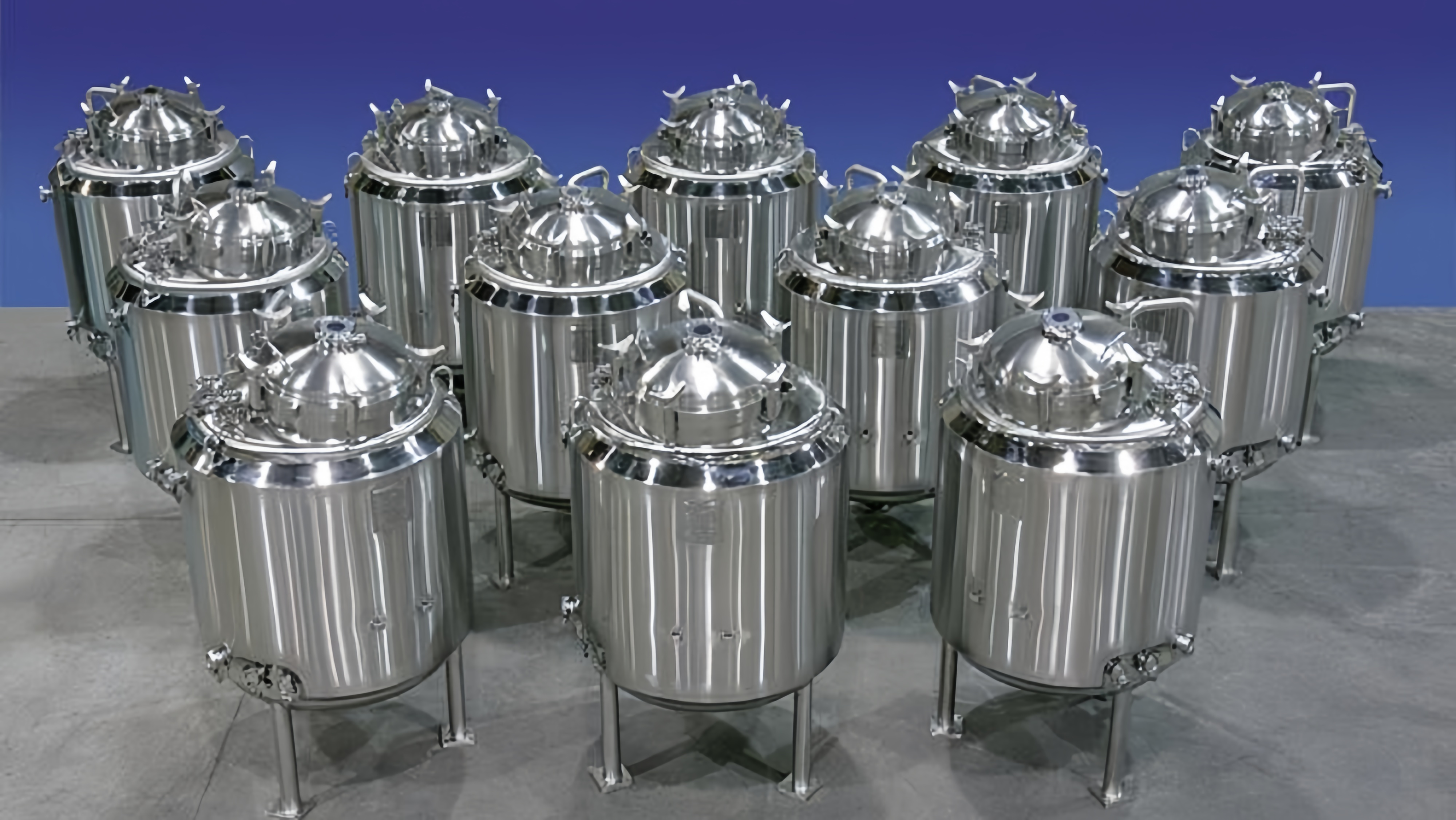
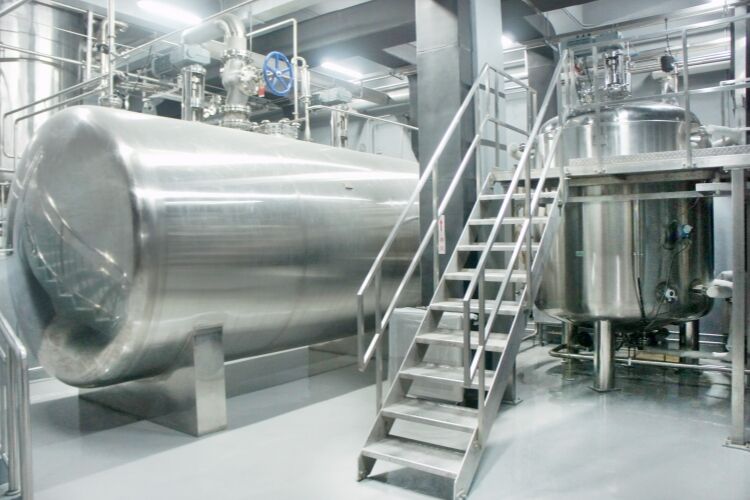
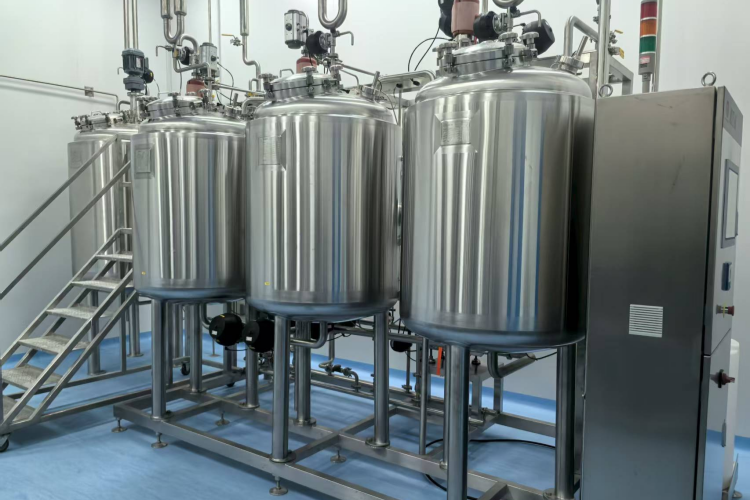
The Pathogenic Wastewater Inactivation System adopts a sequential batch processing mode, equipped with one collection tank and two or more inactivation tanks, operating intermittently. This design not only ensures energy efficiency and environmental friendliness during operation but also enhances the overall reliability of the system. Furthermore, the entire system is equipped with an intelligent control system, enabling unattended and fully automatic operation. From the collection of wastewater to the completion of inactivation and discharge, every process is precisely monitored and controlled by advanced sensors and control algorithms. The system has been successfully applied in numerous practical projects, demonstrating excellent performance in pathogen inactivation efficiency, operational stability, and cost-effectiveness, winning wide recognition from our customers in the biopharmaceutical industry.
Pathogenic Waste Gas Inactivation System
In addition to wastewater, biopharmaceutical production processes also generate exhaust gas contaminated with pathogenic bacteria, viruses, and other harmful microorganisms. Similar to pathogenic wastewater, this contaminated exhaust gas is highly hazardous and must be properly inactivated before being emitted into the atmosphere. Uncontrolled emission of such exhaust gas may lead to the spread of airborne diseases, posing a direct threat to the health of nearby residents and workers in the production facility.
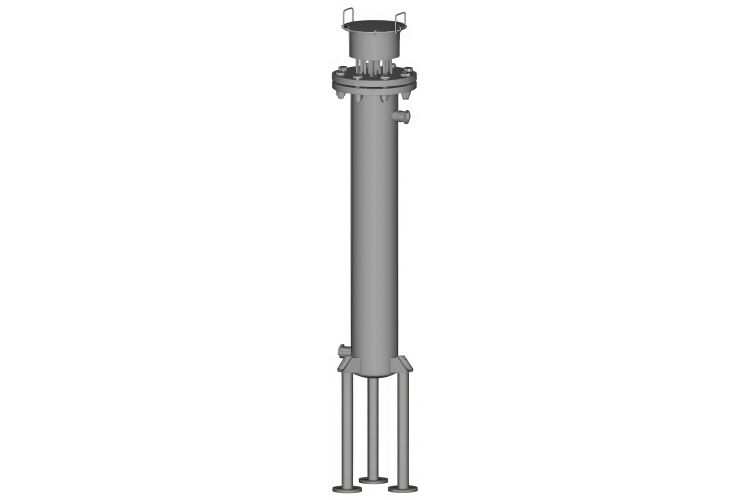
To address the challenges of pathogenic waste gas treatment, we have developed an Electrically Heated Waste Gas Inactivation Equipment. This equipment is widely applicable in various scenarios within the biopharmaceutical industry, including exhaust emission from biological fermentation processes, exhaust discharge from biochemical instruments during sterilization in autoclaves, and exhaust emission from biochemical sewage treatment systems. Leveraging advanced heating technology and sealed design, the equipment ensures thorough inactivation of pathogenic microorganisms in the exhaust gas, meeting the strict environmental emission standards.
Key features of our Electrically Heated Waste Gas Inactivation Equipment include:
100% Effective Pathogen Elimination: The equipment achieves complete inactivation of all pathogenic bacteria, viruses, and other harmful microorganisms in the waste gas, ensuring the safety of the emitted gas.
Automatic Temperature Control: Equipped with a precision temperature control system, the equipment maintains the required sterilization temperature stably, eliminating the risks associated with manual operation and ensuring consistent treatment.
Full-Process Sealed Operation: The entire system operates in a fully sealed environment, preventing cross-contamination between the treated and untreated gas, and avoiding the leakage of harmful microorganisms during the treatment process.
Intelligent Temperature Alarm Function: The system is equipped with a real-time temperature monitoring and alarm system. If the temperature deviates from the preset range, the system immediately triggers an alarm and takes corresponding protective measures, ensuring the safety and reliability of the operation.
Wide Temperature Range: The sterilization temperature can be adjusted between 300℃ and 800℃, allowing customization according to the specific characteristics of the waste gas and the type of pathogenic microorganisms, ensuring optimal inactivation.
Compliance with Biosafety Requirements: The equipment is designed and manufactured in strict compliance with international and domestic biosafety laboratory standards and environmental protection regulations, ensuring its suitability for use in high-safety-requirement biopharmaceutical environments.
Like our wastewater inactivation system, the Pathogenic Waste Gas Inactivation System has been validated in multiple practical projects, delivering stable and reliable performance in various complex operating conditions, and providing effective protection for the atmospheric environment and public health.
Animal Carcass Alkaline Hydrolysis Equipment
Statistics show that the total amount of animal carcasses caused by epidemics in China exceeds 2 million tons each year. A large number of infected animal carcasses pose potential hazards such as the spread of epidemics and threats to food safety. In high-level biosafety laboratories, experimental animal carcasses also present great risks—highly pathogenic infectious diseases and toxic substances are likely to be latent in these carcasses. Improper handling can lead to their spread and transmission. Traditional disposal methods such as burial and incineration have significant limitations: burial may contaminate soil and groundwater, while incineration generates harmful gases and requires high energy consumption, failing to achieve ideal harmless disposal results.
Alkaline hydrolysis treatment technology, as an emerging harmless disposal method for animal tissues, has gained increasing attention due to its environmental friendliness and high biosafety. The core principle of this technology is to use alkaline substances such as sodium hydroxide or potassium hydroxide to catalyze the hydrolysis of animal tissues under high temperature and high pressure conditions, thereby inactivating pathogenic microorganisms. After alkaline hydrolysis treatment, animal tissues are converted into solid residues, waste liquid, and a small amount of odorless and harmless gas, achieving complete harmless disposal. Compared with traditional treatment processes, alkaline hydrolysis technology offers significant advantages, including green environmental protection (no harmful gas emissions), high biosafety (thorough inactivation of pathogens), strong sterilization capacity, safe and easy operation, and low treatment costs. This technology has been widely applied in European and American developed countries, demonstrating enormous potential in the harmless disposal of animal carcasses and the treatment of wastes from biosafety laboratories.
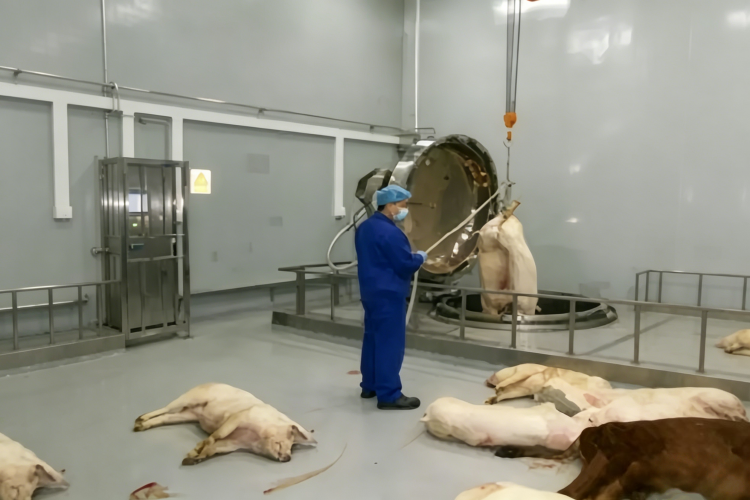
Based on the process requirements of alkaline hydrolysis treatment, we have specially developed an Alkaline Hydrolysis Treatment Equipment for Infected Animal Tissues. This equipment is designed to fully automatically complete the entire alkaline hydrolysis treatment process, from the feeding of animal carcasses to the discharge of final products (solid residues, waste liquid, and harmless gas). The intelligent control system ensures precise control of key process parameters such as temperature, pressure, and reaction time, guaranteeing thorough hydrolysis of animal tissues and complete inactivation of pathogenic microorganisms, ultimately meeting the national and industry harmless disposal standards.
Our Animal Carcass Alkaline Hydrolysis Equipment integrates advanced technology, reliable performance, and environmental protection. It has been successfully applied in practical projects such as the disposal of epidemic-related animal carcasses and the treatment of experimental animal wastes in biosafety laboratories. The equipment not only effectively solves the problem of harmless disposal of infected animal carcasses but also reduces environmental pollution, making significant contributions to the prevention and control of animal epidemics and the protection of ecological environment.
Our Commitment to Biosafety and Environmental Protection
As a professional supplier of biopharmaceutical equipment solutions, we are deeply aware of the critical importance of bio-waste treatment to biosafety and environmental protection. Our Bio-waste Inactivation Systems are developed with a customer-centric approach, adhering to the principles of technological innovation, quality first, and environmental protection. We continuously invest in research and development to optimize our product performance, improve treatment efficiency, and reduce operational costs, providing our customers with more reliable, efficient, and eco-friendly bio-waste treatment solutions.
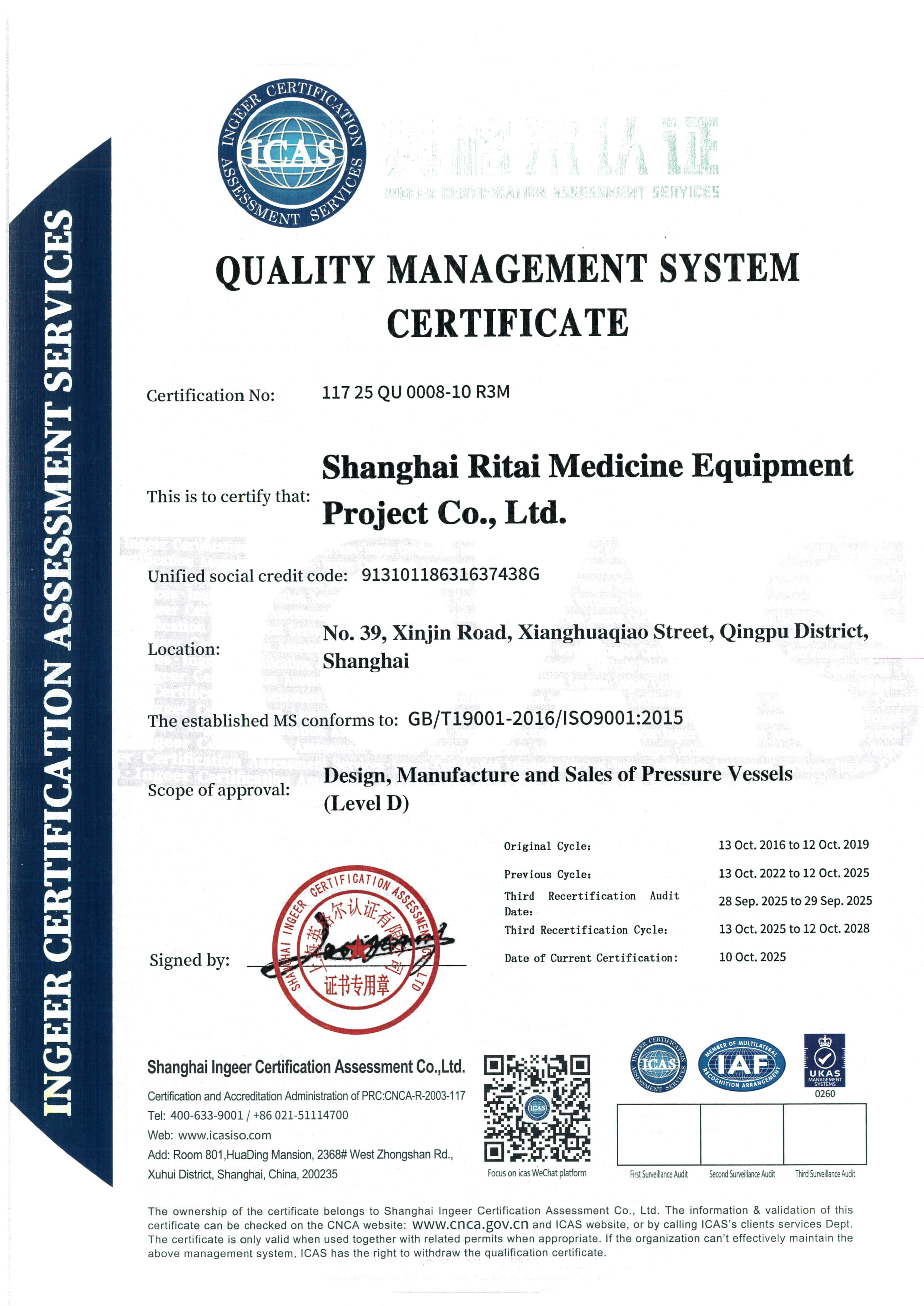
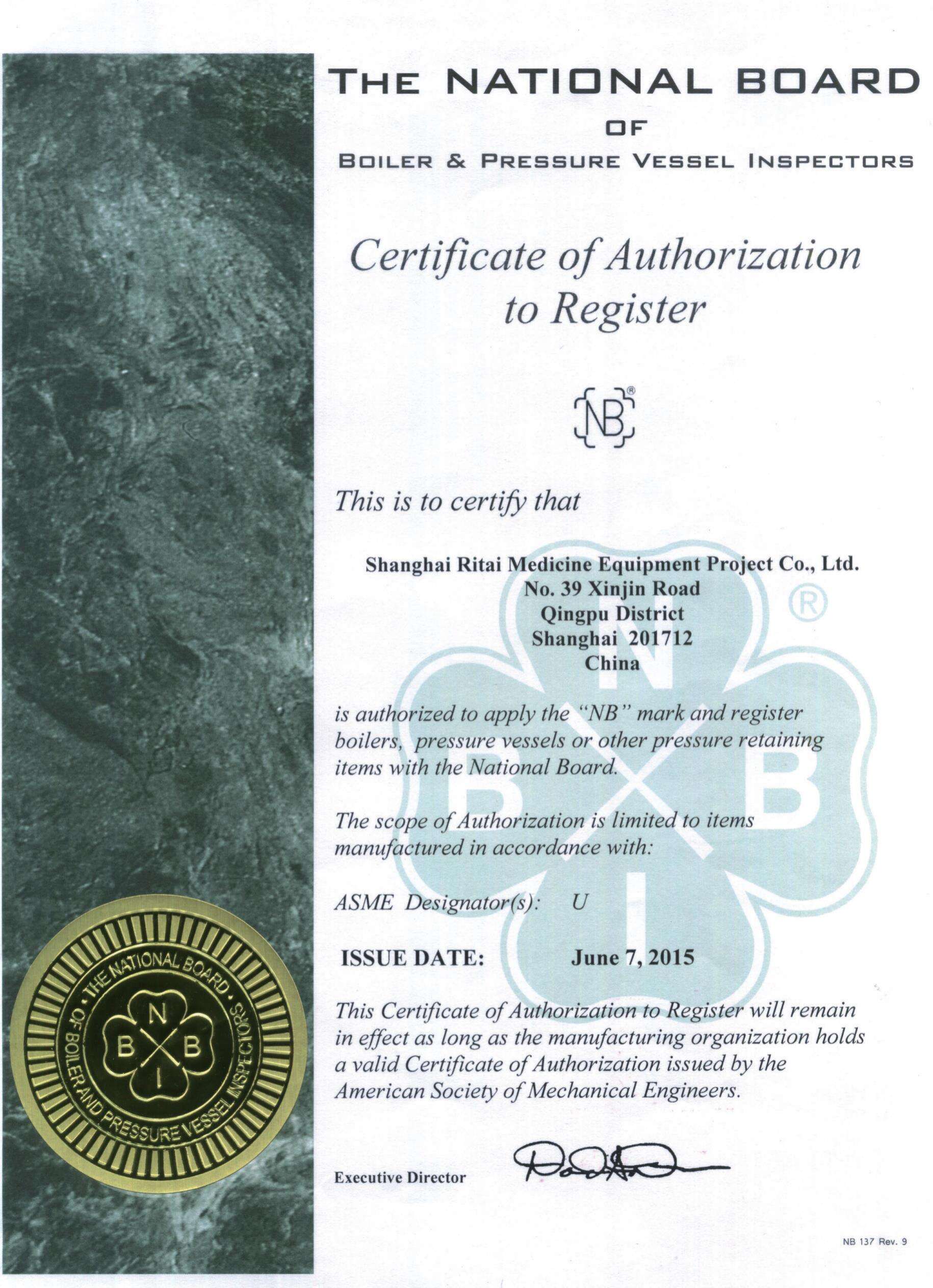
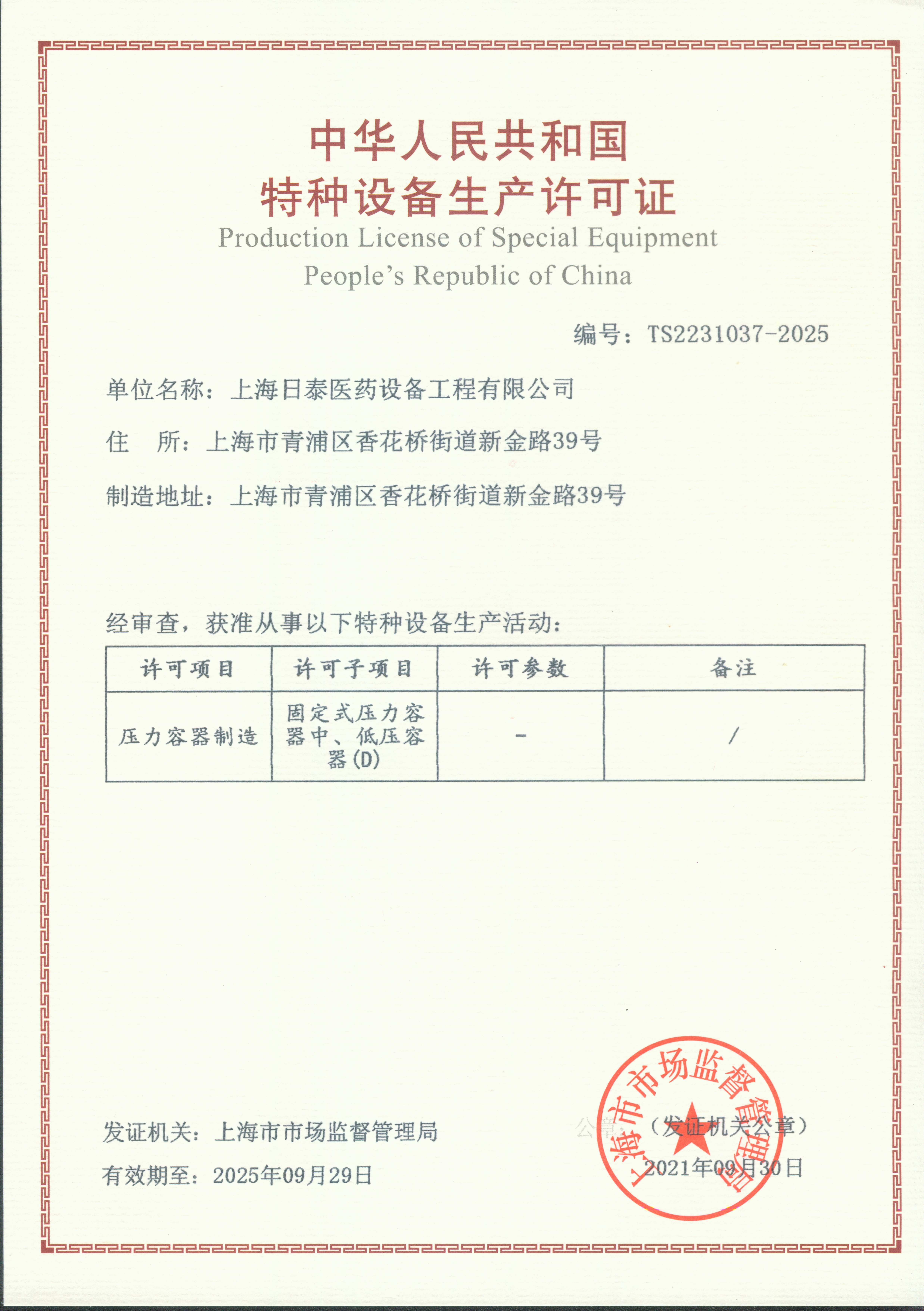
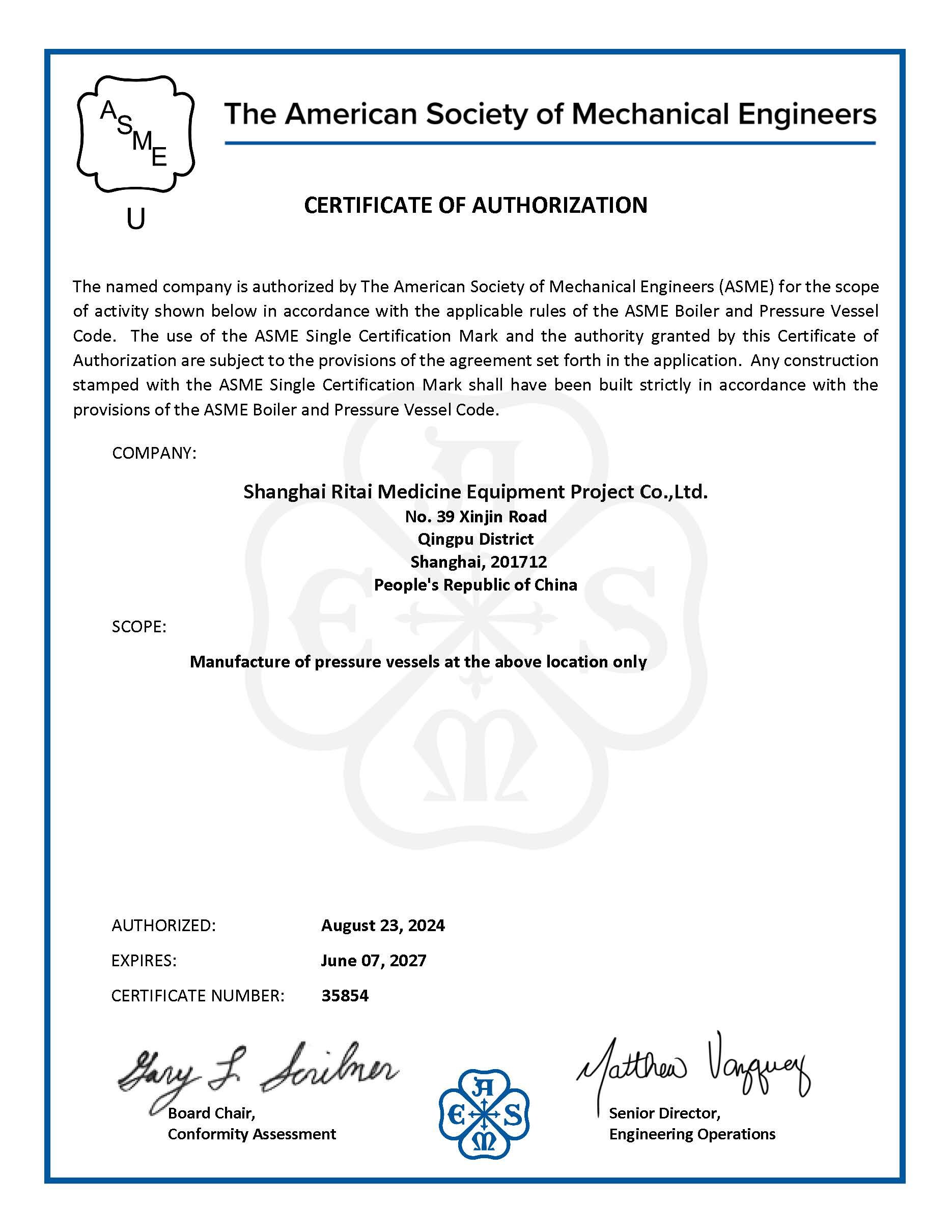
All our Bio-waste Inactivation Systems undergo strict quality control and performance testing before leaving the factory, ensuring they meet the highest standards of safety and reliability. In addition, we provide comprehensive after-sales services, including equipment installation, commissioning, operation training, and maintenance support, to ensure that our customers can use our products with confidence.
Whether you need a solution for pathogenic wastewater inactivation, pathogenic waste gas treatment, or animal carcass harmless disposal, our Bio-waste Inactivation Systems can meet your specific needs. We are committed to working hand in hand with customers in the biopharmaceutical industry to address bio-waste challenges, safeguard public health and ecological security, and promote the sustainable development of the biopharmaceutical industry.