Product Overview
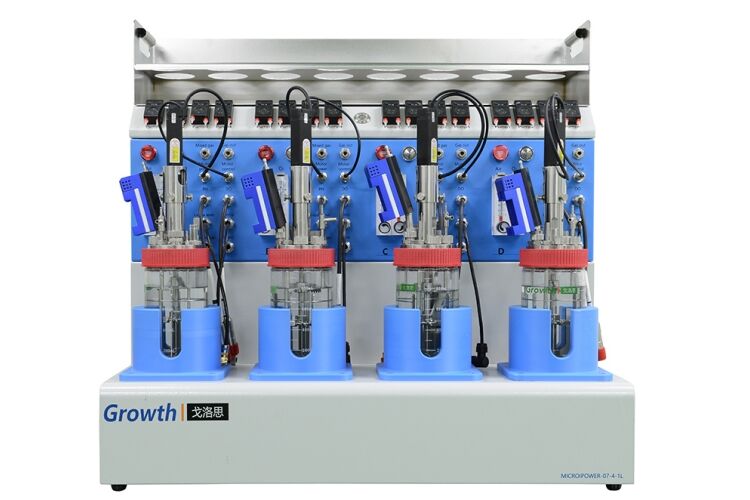
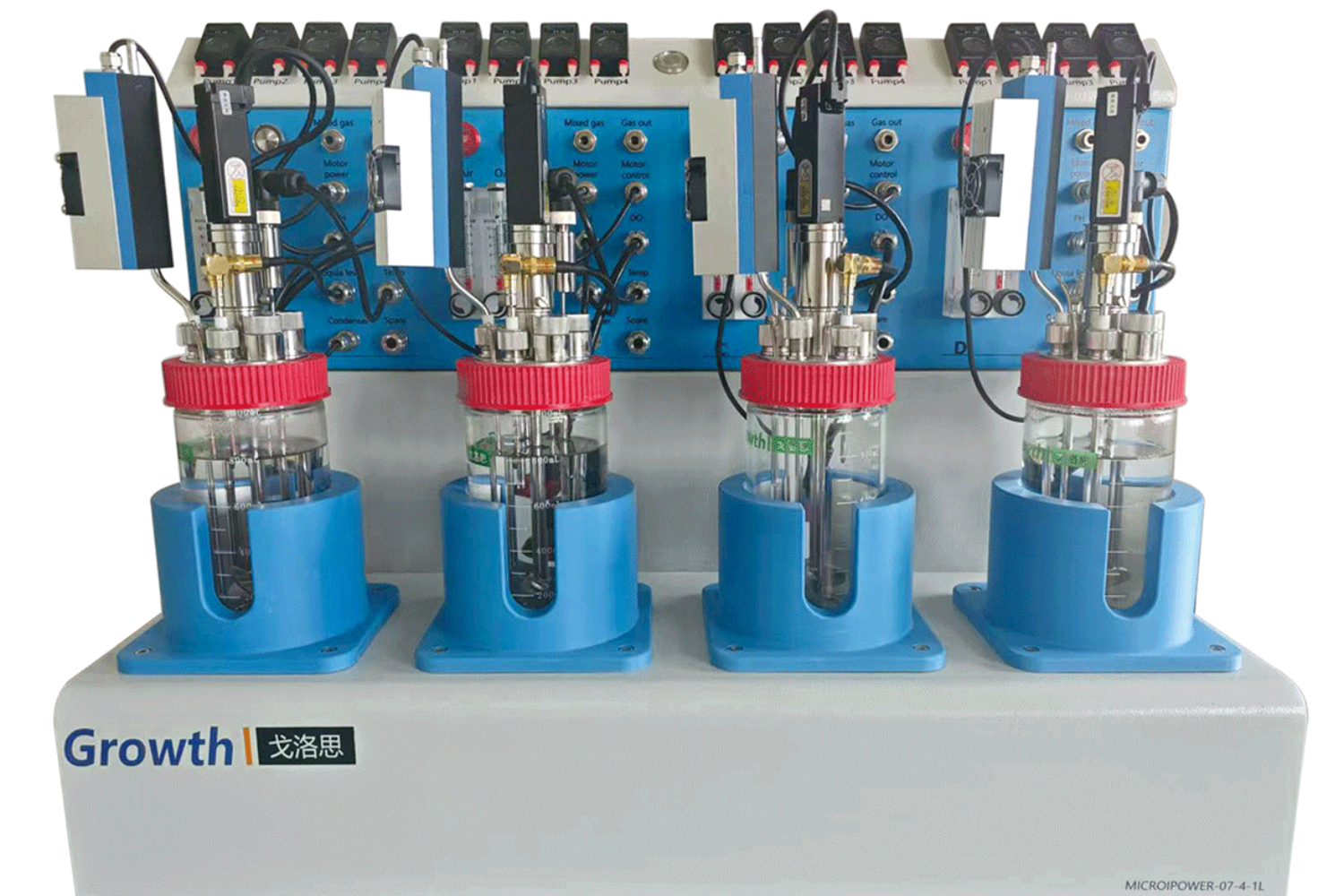
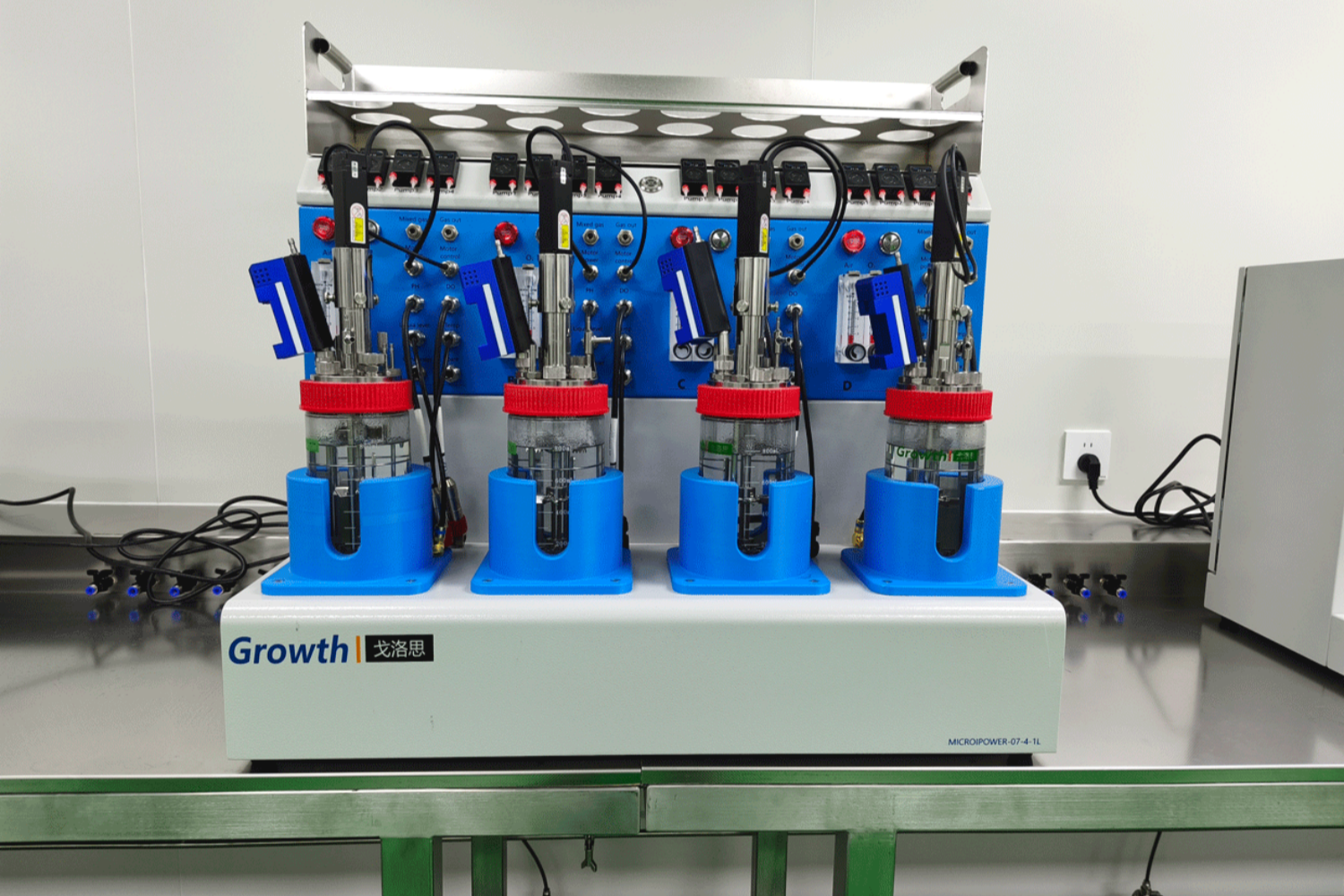
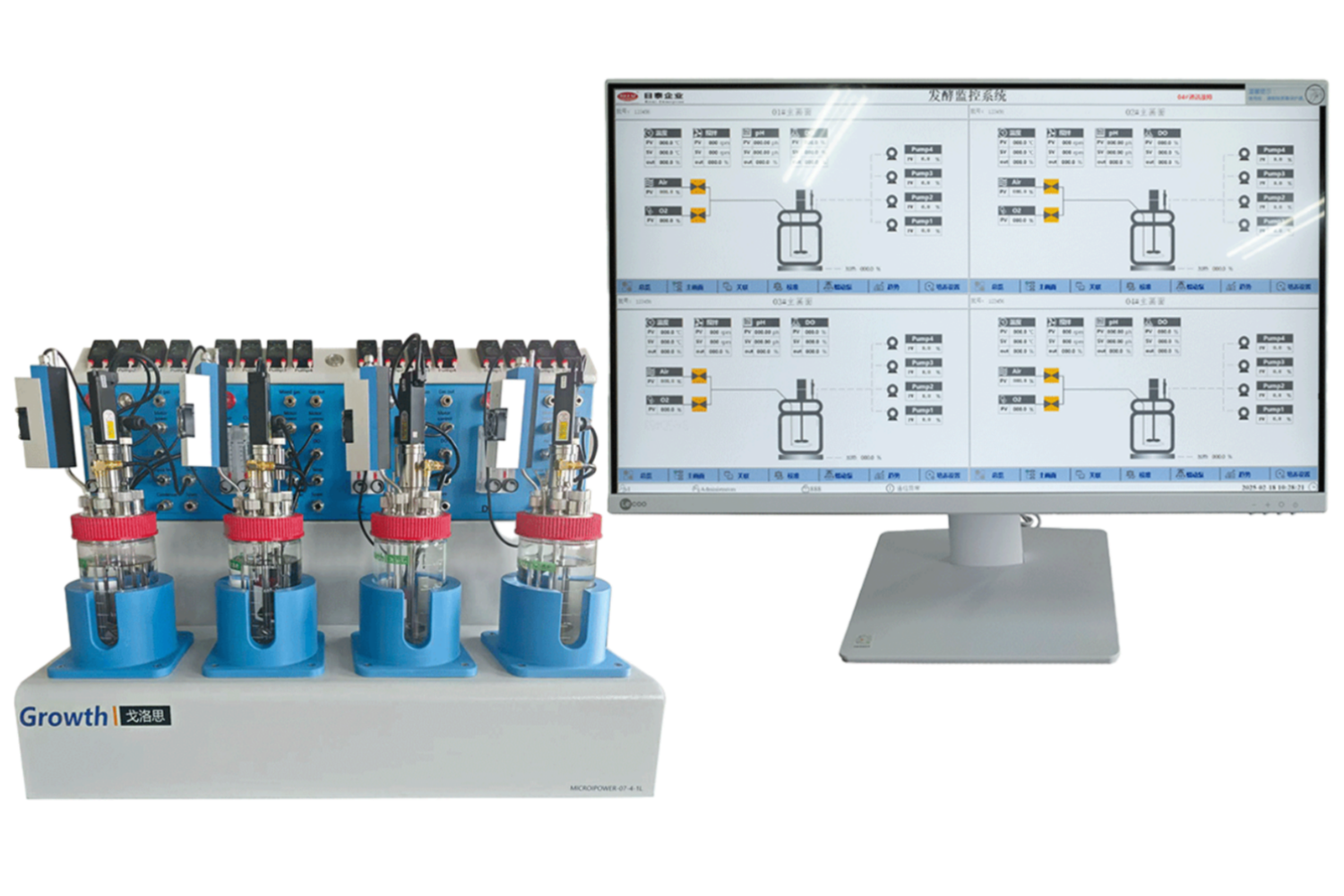
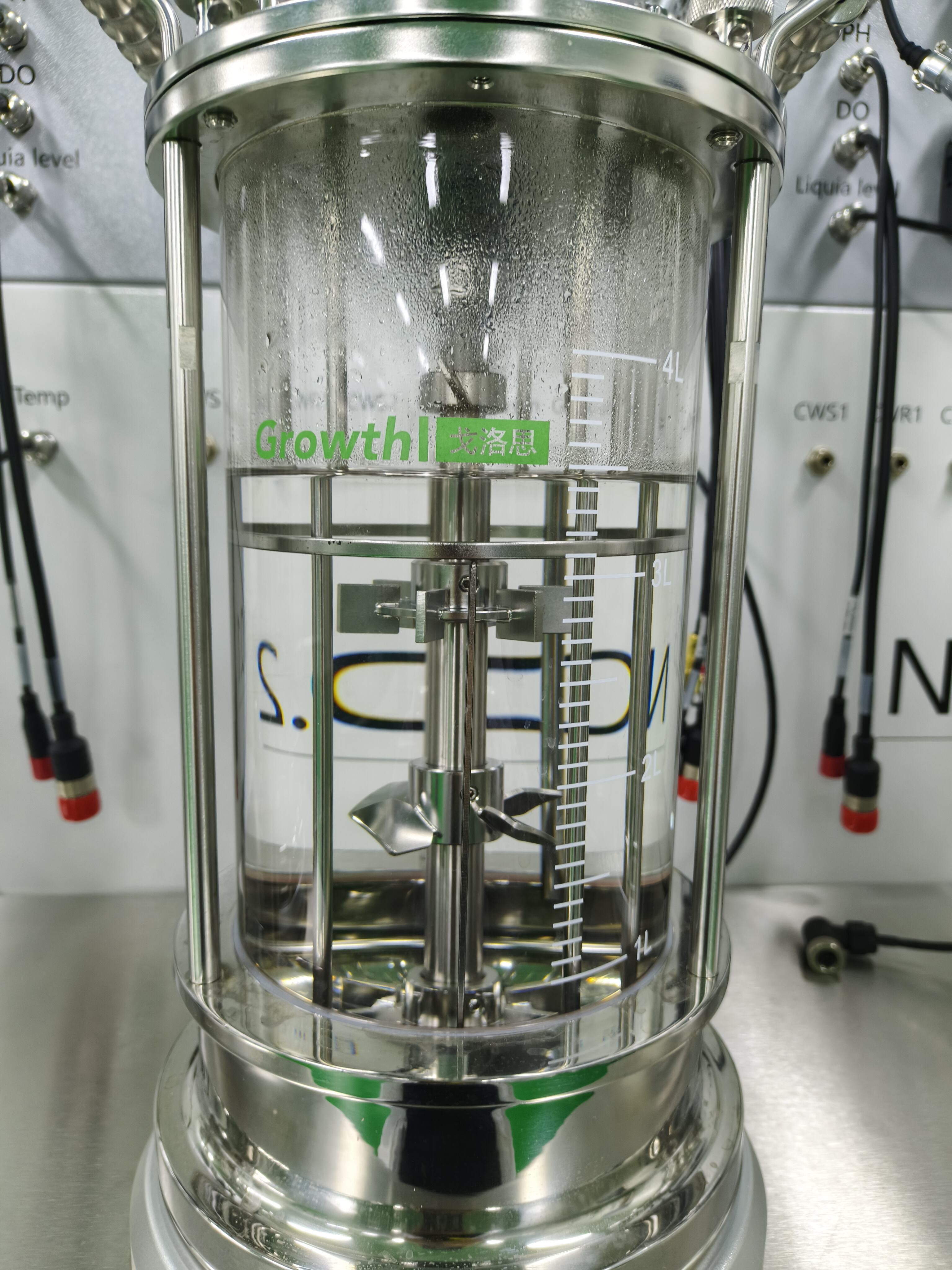
The MICROIPOWER BP is a laboratory-scale glass parallel bioreactor system designed for microbial and bacterial fermentation as well as animal and insect cell culture. Based on the proven design of MICROIPOWER07 but enhanced with distributed control technology, it delivers industrial-grade precision in a compact, user-friendly platform. The system enables researchers to operate multiple bioreactors simultaneously through a unified interface, significantly improving research efficiency and process development capabilities.
Key Features
1.Distributed control architecture for managing dozens to hundreds of bioreactors from a single interface
2.Peltier-based temperature control module with wide range: 4°C to 80°C (±0.2°C)
3.High-precision peristaltic pumps (up to 6 per controller): reversible and speed-variable operation
4.Real-time video monitoring with remote viewing and scheduled image capture capabilities
5.Mass flow controller (MFC) for precise gas flow control
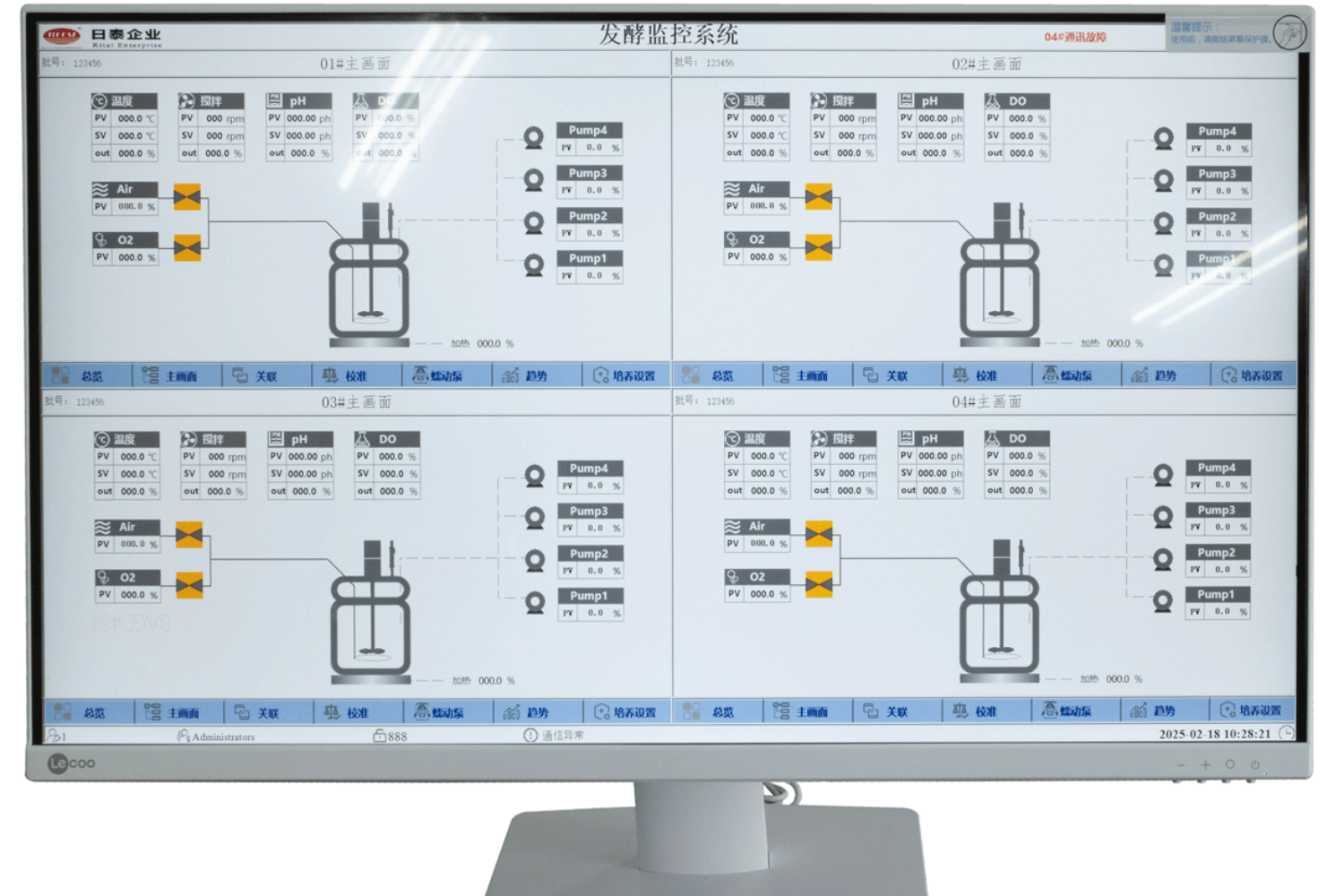
6.10-inch industrial touch screen HMI for parameter display and adjustment
7.Available in standard working volumes: 1 L, 2 L, 3 L, and 5 L
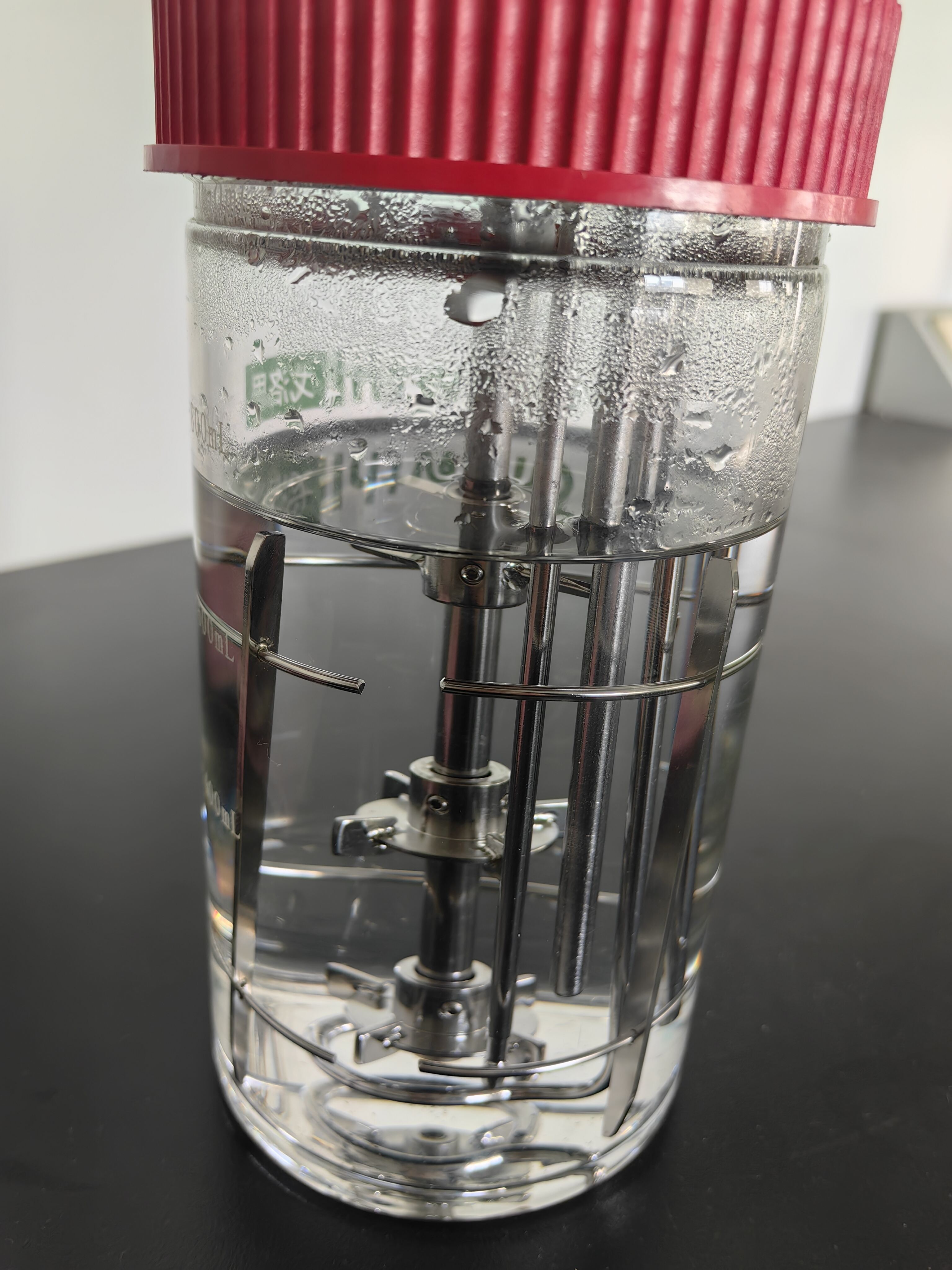
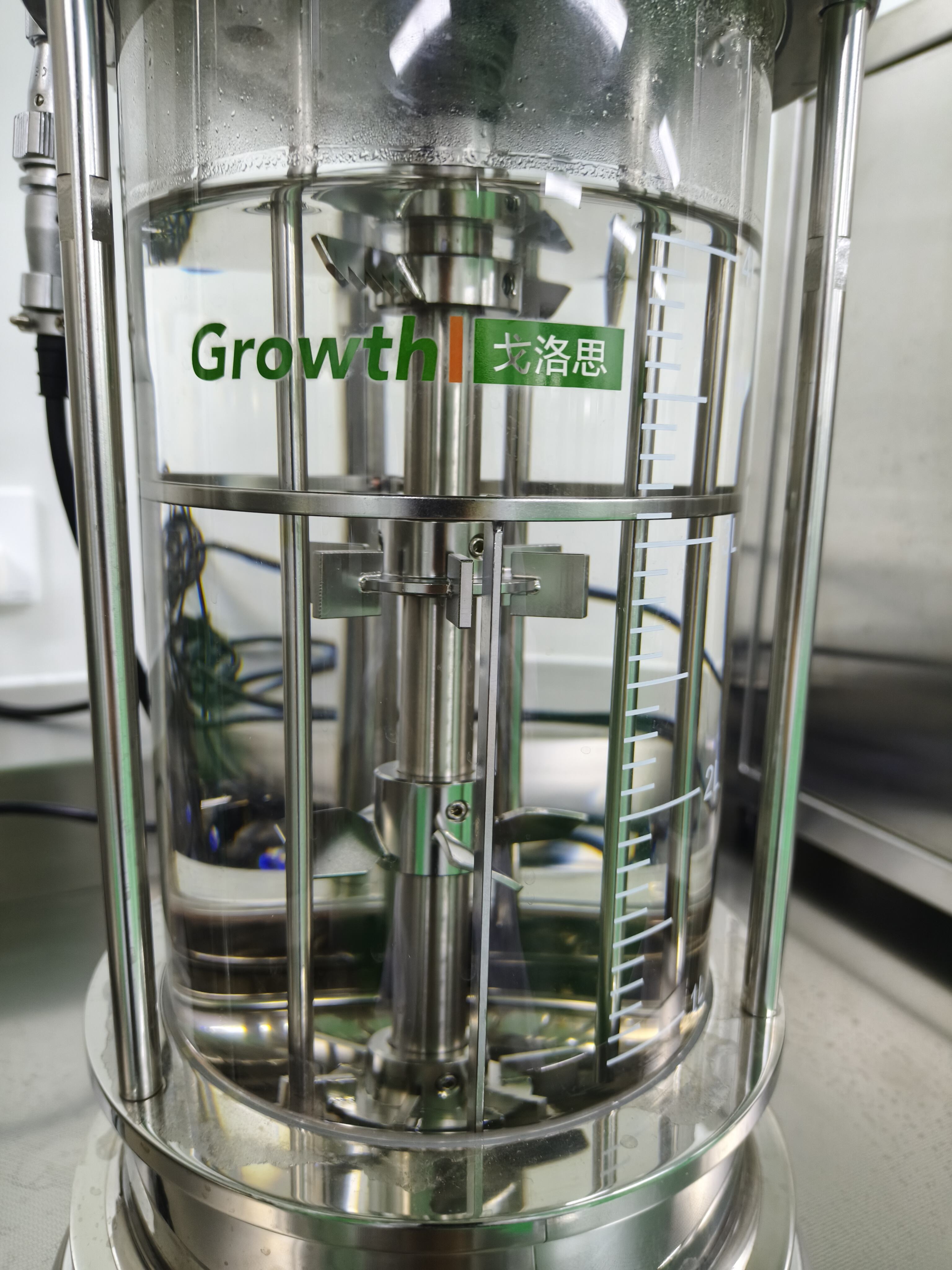
8.Multiple impeller types: three-blade, six-blade, eight-blade, and defoaming impellers
9.Modular impeller controller design: 4 controllers can be grouped together, supporting multiple group configurations
10.Rich collection of adapter accessories for compatibility with various controllers, motors, and other components
11.Integrated system-level control for third-party PAT devices (Process Analytical Technology)
The transparent borosilicate glass vessel allows real-time visual monitoring of microbial or cell growth without additional optical instrumentation, making it ideal for research in biopharmaceuticals, synthetic biology, and industrial biotechnology.
Design Philosophy
The MICROIPOWER BP bridges the gap between academic research and industrial production. Traditional lab-scale bioreactors often suffer from poor parameter control, low oxygen transfer rates, and batch-to-batch variability—barriers that delay scale-up.
This system solves these challenges by combining:
1.The optical clarity and chemical inertness of glass
2.The robust control architecture of industrial bioprocessing
3.Distributed control technology for parallel operation
Available in standard working volumes of 1 L, 2 L, 3 L, and 5 L—with custom sizes available—the MICROIPOWER BP supports everything from strain screening to pre-GMP process validation. Its modular design allows for scalable expansion, meeting the needs of both small research labs and large biotechnology facilities.
Core Technical Innovations
1. Distributed Control Technology
The MICROIPOWER BP introduces a revolutionary distributed control architecture that allows users to:
1.Operate multiple bioreactors simultaneously from a single interface
2.Scale from 4 to hundreds of bioreactors through cluster expansion
3.Integrate third-party PAT devices via standard communication protocols
4.Access and manage experiments remotely from desktop or mobile devices
5.Ensure consistent performance across all units through standardized control algorithms
6.Perform batch comparisons and optimization using multi-batch data analysis tools
This technology is particularly suitable for high-throughput screening, process development, and validation studies where consistency and scalability are critical.
2. Peltier Temperature Control Module
A key innovation in the MICROIPOWER BP is its Peltier-based thermoelectric temperature control module, which:
1.Provides precise temperature control: 4°C to 80°C (±0.2°C)
2.Eliminates the need for external cooling water supply
3.Reduces energy consumption compared to traditional water jacket systems
4.Accelerates sterilization cycles by minimizing thermal inertia
5.Maintains stable temperature conditions even during rapid changes in environmental conditions
This module is ideal for applications requiring precise temperature regulation, such as recombinant protein expression, vaccine production, and metabolic flux analysis.
3. High-Precision Peristaltic Pump System
Each controller in the MICROIPOWER BP system supports up to 6 high-precision peristaltic pumps, which are designed for:
1.Reversible and speed-variable operation (0–100% duty cycle)
2.Precise addition of glucose, base, feed media, and antifoam agents
3.Automated feeding strategies for consistent process reproduction
4.Minimal shear stress on sensitive microorganisms and cells
5.Low maintenance requirements due to its simple design
These pumps are essential for maintaining the precise nutrient supply required for high-yield microbial fermentation and cell culture.
4. Video Monitoring & Remote Access
The MICROIPOWER BP includes advanced video monitoring capabilities:
1.Real-time remote viewing of bioreactor vessel images
2.Scheduled image capture for documentation and process monitoring
3.Desktop and mobile remote access for managing experimental processes and data
4.Integration with process control parameters for correlated observations
5.High-resolution imaging for detailed observation of culture conditions
This feature is particularly useful for long-term experiments and when working in environments with limited physical access to the laboratory.
5. Gas Flow Control System
The system's gas flow control is managed by a mass flow controller (MFC) that:
1.Supports precise gas flow control: 0.3–2.0 vvm (volumetric gas velocity per minute)
2.Allows both individual control and continuous blending of gas flows
3.Integrates with sterile filtration systems to prevent contamination
4.Optimizes gas-liquid interfacial area for efficient oxygen transfer
5.Minimizes bubble size to reduce shear stress on sensitive organisms
This advanced gas control system ensures optimal aeration conditions for various types of cultures, from microbial fermentation to high-density cell culture.
6. HMI Touchscreen Interface
The system's All-In-One PC+ Siemens Small Programmable Logic Controller:
1.Displays and allows adjustment of critical process parameters
2.Provides real-time monitoring of temperature, pH, and dissolved oxygen
3.Supports quick access to standard operating procedures (SOPs)
4.Enables easy setup and modification of experimental protocols
5.Offers data visualization tools for immediate process assessment
The intuitive interface reduces the learning curve for new users while providing advanced control features for experienced researchers.
7. Modular Impeller System
The MICROIPOWER BP offers a range of impellers optimized for different culture types:
1.Three-blade impeller: Ideal for general mixing and oxygen transfer
2.Six-blade impeller: Provides low-shear mixing for sensitive organisms
3.Eight-blade impeller: Optimized for high-shear mixing applications
4.Defoaming impeller: Effective for controlling foam without disrupting culture conditions
Impeller selection can be tailored to the specific requirements of the culture, from microbial fermentation to high-density cell cultures.
8. Baffle Assembly
Optional baffle accessories are available to:
1.Improve mixing efficiency in the vessel
2.Enhance gas-liquid and liquid-liquid mass transfer rates
3.Reduce dead zones and improve culture homogeneity
4.Increase oxygen transfer efficiency (kLa) by 30–40%
5.Minimize wall effects on culture conditions
Baffles are particularly useful for cultures with high viscosity or when using microcarriers for adherent cell cultures.
Technical Specifications
| Parameter |
Specification |
| Vessel Material |
High-borosilicate glass |
| Working Volumes |
1 L, 2 L, 3 L, 5 L |
| Aspect Ratio (H:D) |
01:01.6 |
| Agitation System |
Top-mounted impeller, 50–1000 rpm (±1 rpm), AC servo motor |
| Temperature Control |
4°C to 80°C, ±0.2°C, Peltier thermoelectric module |
| pH Control |
0–14, ±0.01, with automatic base/CO₂ dosing |
| Dissolved Oxygen (DO) |
0–200%, ±1%, with O₂/N₂/Air blending |
| Aeration System |
Deep sparging, 0.3–2.0 vvm (mass flow controller) |
| Gas Filtration |
0.2 μm PTFE filters (inlet: 37 mm; exhaust: 50 mm) |
| Feeding System |
4 impeller controllers per group, up to 6 high-precision peristaltic pumps per controller |
| Reversible and speed-variable operation (0–100% duty cycle) |
| Control System |
Distributed architecture, supports unlimited number of devices |
| Standard communication protocols for integration with third-party PAT devices |
| Software Features |
SCADA with data logging, audit trail, electronic signature |
| Multi-batch data viewing and comparison |
| Auto-run of golden batches |
| Integrated DoE (Design of Experiments) |
| Support for third-party DoE data import |
| Multi-level user permission management |
| Standard API for custom program development |
| Compatibility with Python for data analysis |
| Remote Access |
Desktop and mobile device support |
| Real-time monitoring and control |
| Scheduled image capture and documentation |
| Compliance |
GMP (2026) |
| FDA 21 CFR Part 11 |
| Audit trail functionality |
Why Choose MICROIPOWER BP?
1.Parallel operation efficiency: Run multiple experiments simultaneously with consistent conditions
2.Scalability: Expand from 4 to hundreds of bioreactors through cluster configuration
3.Precision control: Industrial-grade accuracy in a lab-friendly format
4.Flexibility: Support for both microbial fermentation and animal/insect cell culture
5.Remote accessibility: Monitor and manage experiments from anywhere
6.Data-rich environment: Comprehensive data logging and analysis tools
7.Compliance ready: Aligned with current GMP and FDA regulations for regulated environments
8.Cost-effective: High performance without the high cost of industrial-scale systems
The MICROIPOWER BP is not just a tool—it's a comprehensive platform for advancing your research and development programs.
Applications & Scientific Value
1. Microbial Fermentation
The MICROIPOWER BP excels in microbial fermentation applications, including:
1.Strain development and optimization
2.High-density microbial cultures for maximum yield
3.Fermentation process development
4.Scale-down modeling for process validation
5.Process monitoring and control
Typical Case Studies:
Optimization of Lactobacillus casei culture conditions in parallel bioreactors
Optimization of Aspergillus oryzae fermentation processes
High-density Escherichia coli culture development
2. Cell Culture
One of the MICROIPOWER BP's greatest strengths is its versatility in supporting various cell culture formats:
1.Suspension cell culture: SF9 insect cells, HEK293 cells, and more
2.Adherent cell culture: Vero cells, MDCK cells, and other attached cell lines
3.Perfusion cell culture: High-density Vero cell perfusion culture with microcarriers
4.Virus production: HSV-1 and other viral vectors
5.Antibody development: Monoclonal antibody production and optimization
6.Exosome production: Exosome generation in defined conditions
7.High-density cell culture: 293T cells with optimized shear conditions
8.Microcarrier perfusion culture: High-density Vero cell perfusion with microcarriers
System Integration & Expansion
1. Controller Configuration
The MICROIPOWER BP adopts a modular controller design, which allows:
1.Four controllers to form one cluster, each supporting up to 6 high-precision peristaltic pumps
2.Software support for unlimited device management and control
3.System scalability to dozens or even hundreds of bioreactors
4.Flexible cluster configurations suitable for research needs of varying scales
2. Third-Party PAT Device Integration
The system supports integration with various third-party PAT devices, including:
1.Gas analyzers: Real-time monitoring of off-gas composition
2.Automatic sampling systems: Programmable sampling for process analysis
3.Feed weighing systems: Precise control of feed addition for consistent culture conditions
4.Ultra-performance liquid chromatography (UPLC): High-resolution analysis of culture supernatants
5.Raman spectrometers: In-situ monitoring of metabolic processes
This integration capability breaks down data silos, enabling researchers to:
1.Obtain and analyze key process parameters in real time
2.Optimize culture conditions based on real-time data
3.Improve research efficiency and accelerate process development
4.Provide reliable scale-up rationale for industrial production
3. Agitation System Configuration
The system’s agitation system is highly versatile, supporting:
1.Both mechanical and magnetic stirring modes
2.Selection of different impeller types based on process requirements
3.Precise control of agitation speed (50–1000 rpm)
4.Minimization of shear stress on sensitive cells and microorganisms
5.Optimization of mass transfer and mixing efficiency
Agitation System Optimization Recommendations:
1.For shear-sensitive cell lines such as 293T cells, use a 6- or 8-blade impeller and maintain agitation speed below 80 rpm
2.For microcarrier cultures, use an 8-blade impeller and optimize agitation parameters to achieve optimal suspension
3.For high-density microbial fermentation, a three-blade impeller may be used with moderately increased agitation speed to enhance oxygen transfer
Software Features
The MICROIPOWER BP system is equipped with an advanced software platform that provides:
1.Distributed architecture: Supports synchronized control of multiple device groups
2.Real-time parameter monitoring and adjustment: Ensures stable culture conditions
3.Customizable and cascade control: Adapts to diverse culture requirements
4.Multi-batch data viewing and comparison: Facilitates parameter optimization
5.Golden batch auto-run: Improves research efficiency
6.Built-in DoE (Design of Experiments): Supports systematic process optimization
7.Multi-level user permission management and audit trail: Ensures data integrity
8.Standard API: Enables custom program development
9.Remote access capability: Manage experiments and data from desktop or mobile devices
This software platform is designed to:
1.Simplify experimental design and execution workflows
2.Provide comprehensive data recording and analytical tools
3.Support seamless transition from discovery to production
4.Ensure compliance with GMP and FDA 21 CFR Part 11 standards
5.Offer flexible permission management and data security
Summary of Advantages
The MICROIPOWER BP provides several key advantages over traditional single-vessel bioreactors:
1.Parallel operation: Run multiple experiments simultaneously
2.Scalability: Expand from small to large scales with confidence
3.Precision control: Industrial-grade accuracy in a lab-friendly format
4.Flexibility: Support for both microbial fermentation and animal/insect cell culture
5.Remote accessibility: Monitor and manage experiments from anywhere
6.Data-rich environment: Comprehensive data logging and analysis tools
7.Compliance ready: Aligned with current GMP and FDA regulations
8.Cost-effective: High performance without the high cost of industrial-scale systems
9.Easy to use: Intuitive interface for quick setup and operation
10.Robust construction: Durable design for long-term use in research environments
Product Selection Guide
When selecting the appropriate MICROIPOWER BP configuration for your research needs, consider the following:
1.Vessel size: Choose 1 L, 2 L, 3 L, or 5 L based on experimental scale
2.Agitation system: Select appropriate stir motor and impeller based on culture type
3.Temperature control: Peltier module offers a wide control range from 4°C to 80°C
4.Gas control: Mass flow controller enables precise gas flow regulation
5.Feeding system: High-precision peristaltic pumps support diverse feeding strategies
6.Monitoring requirements: Video monitoring is ideal for experiments requiring visual observation
Expansion needs: Distributed architecture supports future system scalability