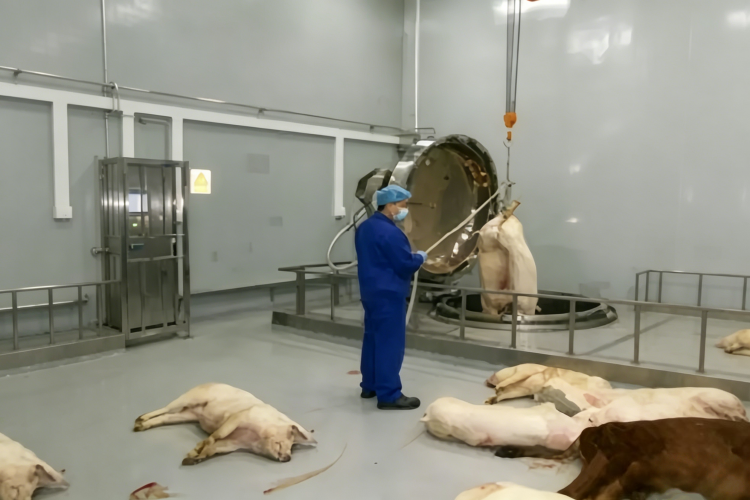
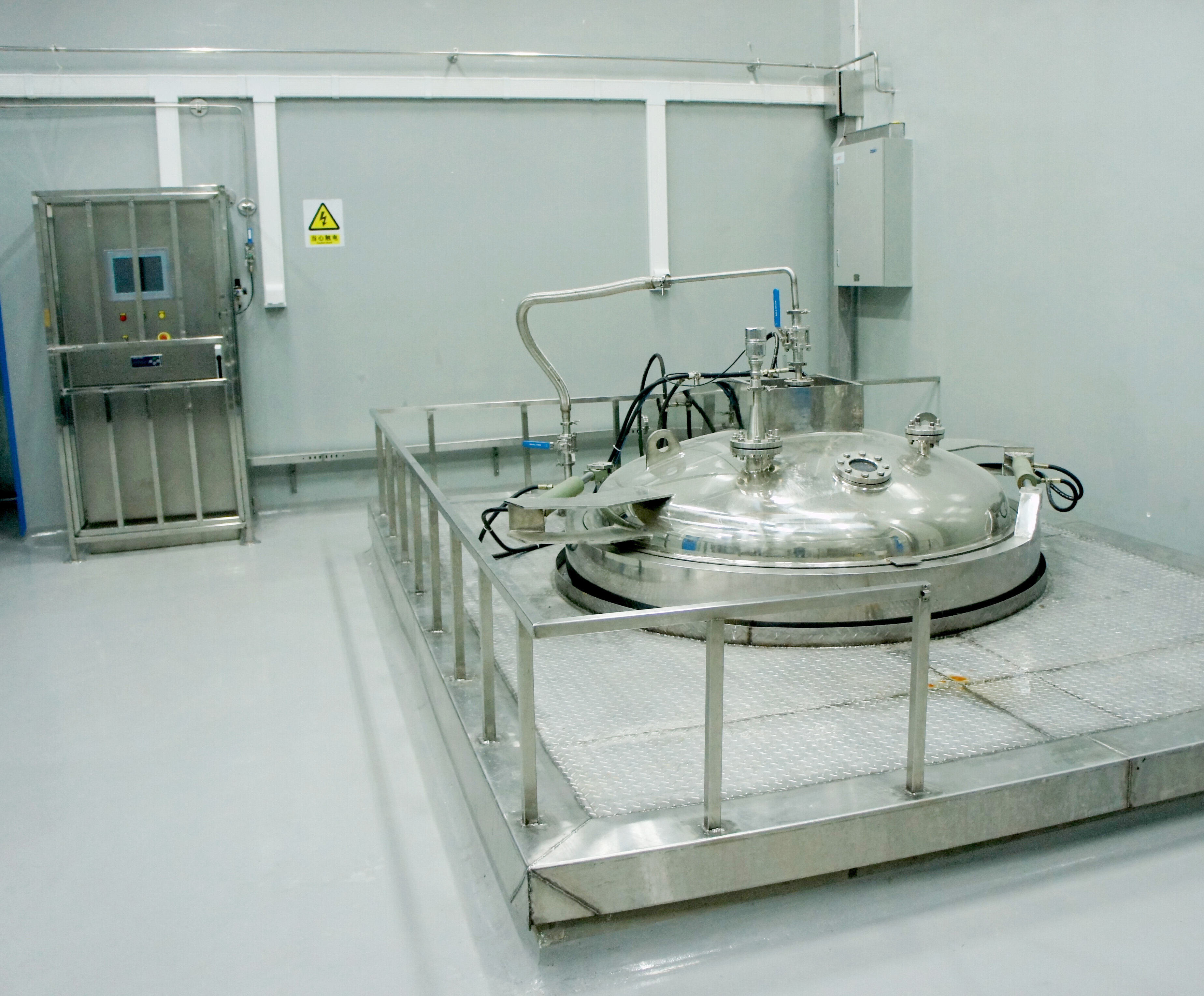
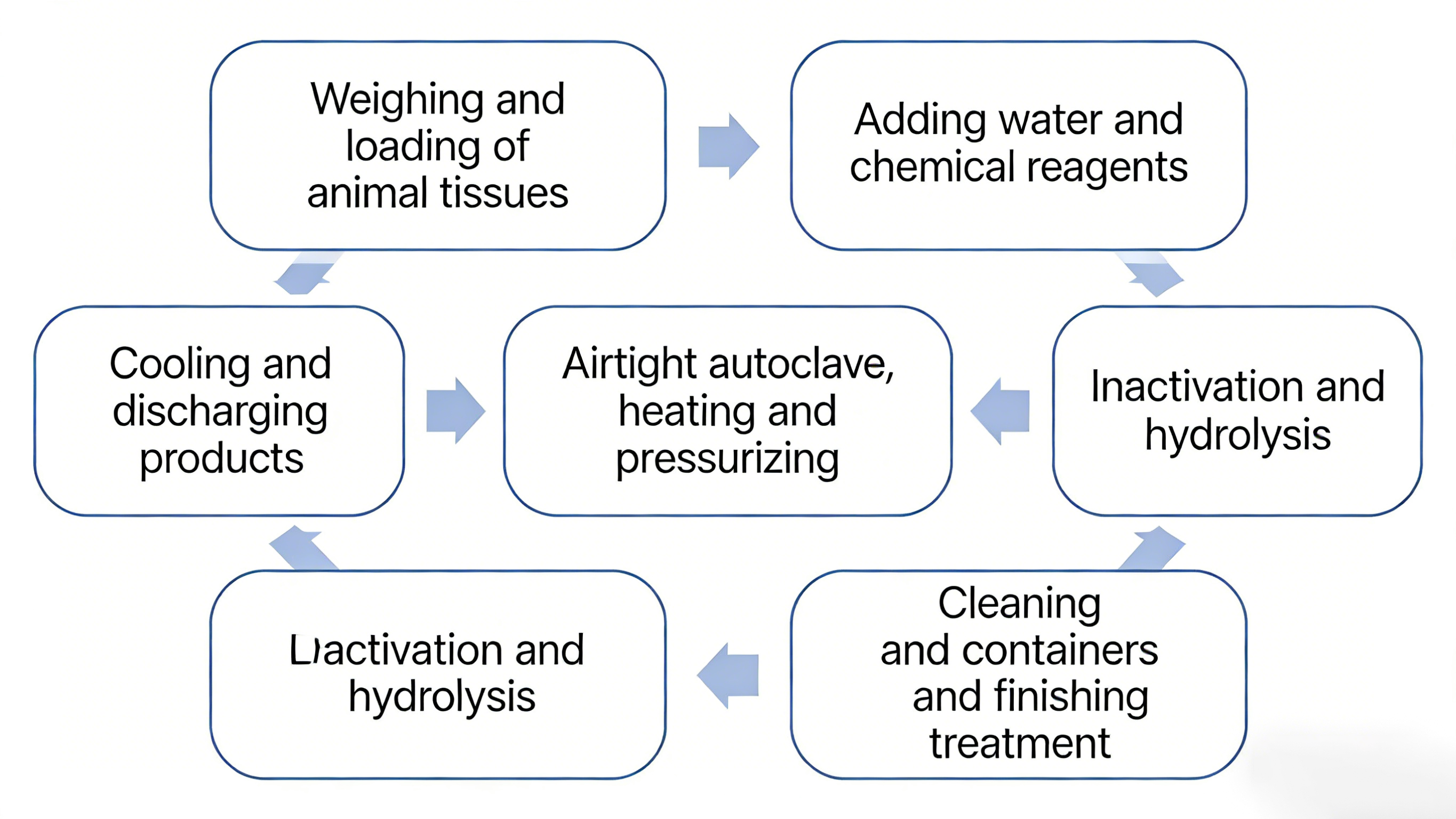
The Alkaline Hydrolysis System for Animal Carcasses is an environmentally friendly treatment system that utilizes high-temperature, high-pressure alkaline solution to catalytically hydrolyze animal tissues. Through physicochemical methods, it completely decomposes pathogenic microorganisms, achieving harmless disposal, volume reduction, and resource recovery of animal carcasses.
This system employs 150°C high-temperature, high-pressure alkaline hydrolysis technology, with a processing cycle of only 4–6 hours. It effectively inactivates all common pathogenic microorganisms—including prions—with an inactivation rate exceeding 99.99%. The resulting effluent, solid residues, and exhaust gases fully comply with national environmental discharge standards, providing a safe and reliable solution for biosafety laboratories, livestock farms, and pet funeral services.
Core Product Advantages
1. High-Temperature, High-Pressure Inactivation Reliability
The system uses 150°C high-temperature, high-pressure sterilization technology, far surpassing the capabilities of traditional lime pits or decomposition tanks. Inactivation efficacy has been validated using D-value methodology and biological indicator testing, ensuring complete eradication of pathogens with zero residual risk.
The high-temperature, high-pressure environment accelerates the alkaline solution’s breakdown of proteins, fats, and other organic tissues, achieving total microbial inactivation.
Inactivation Mechanisms:
1.Bacteria: High temperature and pressure denature bacterial proteins, rupture cell membranes, and deactivate enzymes, leading to cell death.
2.Viruses: The harsh conditions break chemical bonds in viral DNA and RNA, rendering genetic material inactive.
3.Prions: Alkaline hydrolysis is one of the few physicochemical methods proven effective against prions, offering reliable protection against diseases like bovine spongiform encephalopathy (BSE).
4.Efficacy: At 150°C for 4–6 hours, the system achieves ≥6-log reduction in pathogens, with an inactivation rate >99.99%, fully complying with GB 16548-2006 “Biosecurity Handling Procedures for Diseased Animals and Animal Products.”
2. Environmental Sustainability and Resource Recovery
Compared to traditional incineration or lime pit disposal, alkaline hydrolysis offers significant environmental benefits:
Zero harmful emissions during processing
Carbon footprint only 1/15th that of conventional incineration
Treated effluent can be directly discharged into municipal sewer systems
Solid bone residues can be processed into organic fertilizer, enabling circular resource utilization
Environmental Benefits:
1.Extremely Low Carbon Footprint: CO₂ emissions are just 1/10th of those from traditional incineration.
2.Low Energy Consumption: The system is fully electrically driven—no fossil fuels required.
3.Direct Effluent Discharge: Treated liquid meets GB 8978-1996 “Integrated Wastewater Discharge Standard” (Class A), with pH < 10, COD ≤ 50 mg/L, and BOD ≤ 10 mg/L—suitable for direct connection to municipal wastewater networks.
4.Resource Recovery: Crushed bone residue complies with NY/T 525-2021 “Organic Fertilizer” standards and can be used as raw material for organic fertilizers—turning waste into value.
5.No Secondary Pollution: The entire process is fully enclosed; exhaust gases pass through an automatic pH adjustment system and meet emission standards before release.
3. Intelligent Automated Control
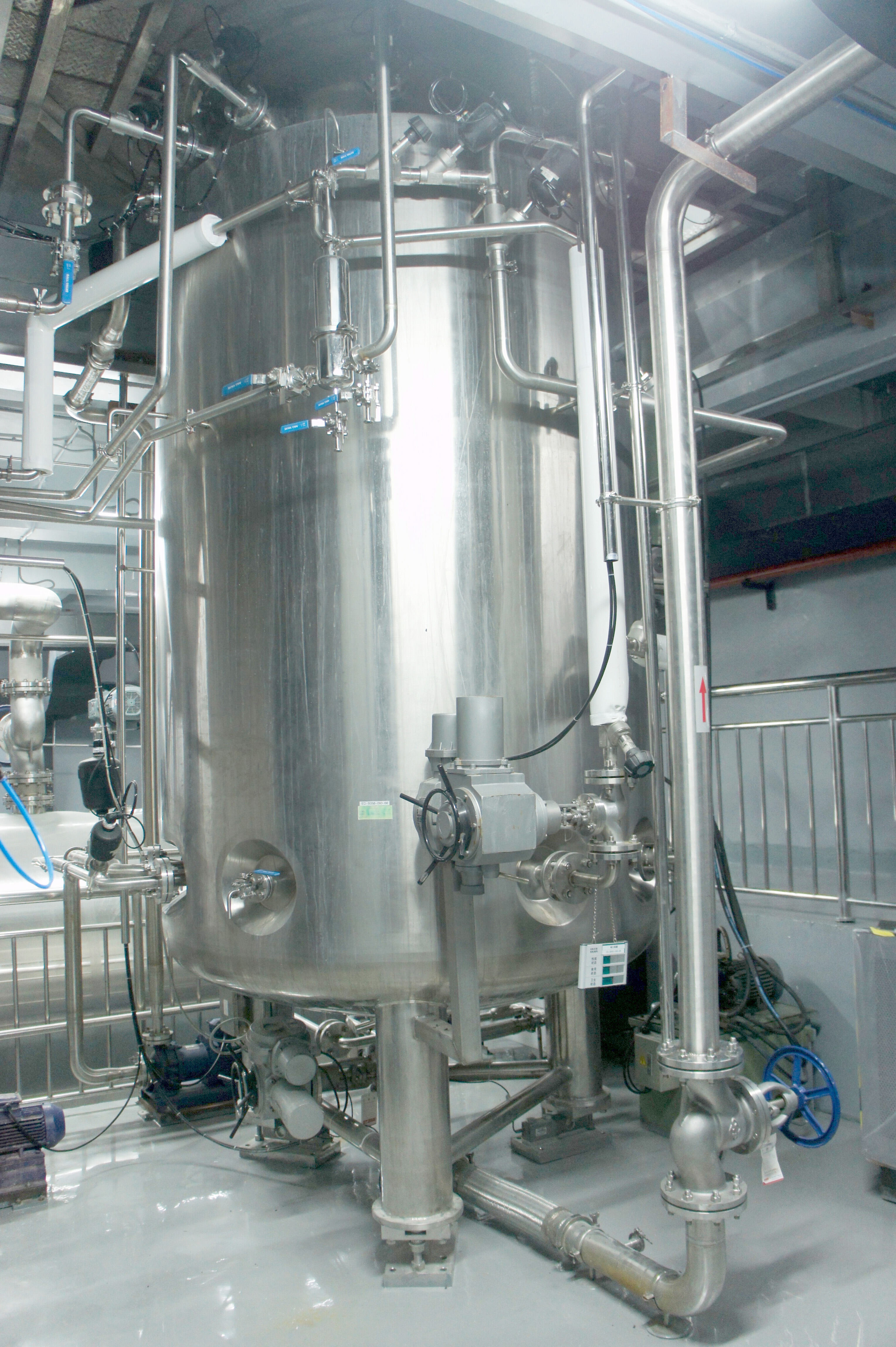
The system features full automation, enabling unattended, fully automatic operation, significantly reducing manual intervention, operational costs, and enhancing both efficiency and safety.
Automation Features:
1.Precise Temperature Control: PID algorithm ensures ±1°C accuracy, maintaining stable hydrolysis at 150°C.
2.Automatic Pressure Regulation: Operating pressure stabilized at 0.5 MPa to sustain the required high-temperature, high-pressure reaction environment.
3.Automatic Agitation Control: Horizontal mechanical agitator automatically adjusts speed to ensure uniform mixing of the solution.
4.Biosafety Protection: Fully sealed design with HEPA high-efficiency particulate air filters prevents microbial leakage.
5.Data Logging & Traceability: Automatically records key parameters (temperature, pressure, time, etc.) during processing; data stored for over 5 years, with export support in PDF/Excel formats.
6.Fault Alarms & Interlock Protection: Three-level safety interlocks detect and automatically respond to anomalies such as overheating, pressure deviation, or valve failure.
7.Role-Based Access Control: Administrators can modify all parameters; operators can only view status or trigger emergency protocols.
4. Safe and Reliable Design
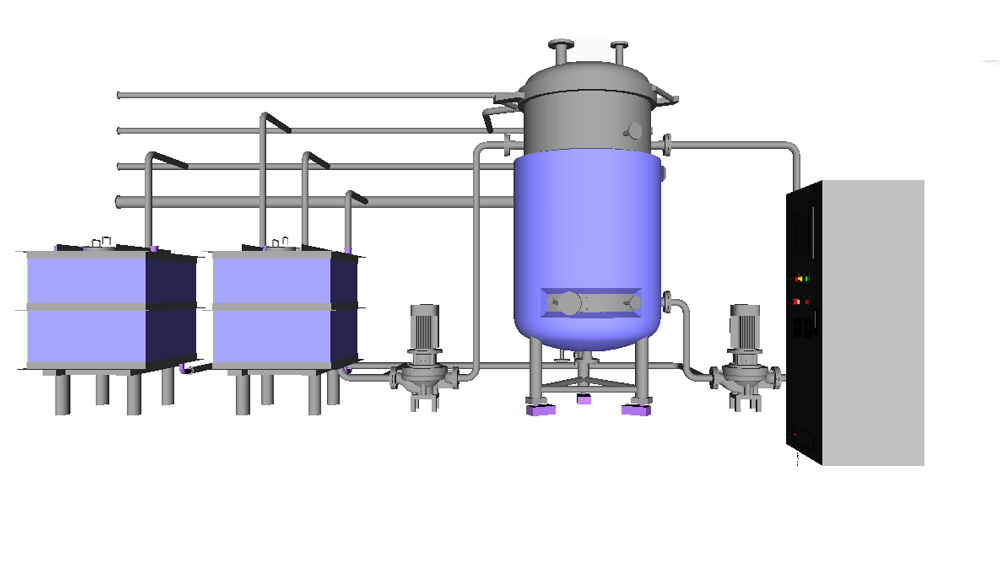
The equipment features a fully enclosed design, ensuring the entire process—from carcass loading to completion—is sealed, effectively preventing microbial escape and protecting both personnel and the environment.
Safety Design Features:
1.Pressure Vessel Compliance: The hydrolysis chamber is designed and manufactured per GB 150.1-2011 “Pressure Vessels” standard, ensuring safe operation under high-temperature, high-pressure conditions.
2.Dual-Layer Stainless Steel Construction: Inner layer made of 316 stainless steel, outer layer of 304 stainless steel, with 30–50 mm thick modified polyurethane insulation to minimize heat loss and improve energy efficiency.
3.HEPA Filtration System: Exhaust outlet equipped with HEPA filter with ≥99.99% efficiency for particles ≥0.2 μm, ensuring safe gas discharge.
4.Automatic Temperature Control: Maintains consistent 150°C hydrolysis temperature for complete pathogen inactivation.
5.Negative-Pressure Exhaust Collection: Exhaust gases are collected via negative-pressure piping to prevent microbial escape, meeting BSL-3/4 laboratory biosafety requirements.
6.Explosion-Proof Design: Certified to ATEX/IECEx explosion-proof standards, suitable for use in flammable or explosive environments.