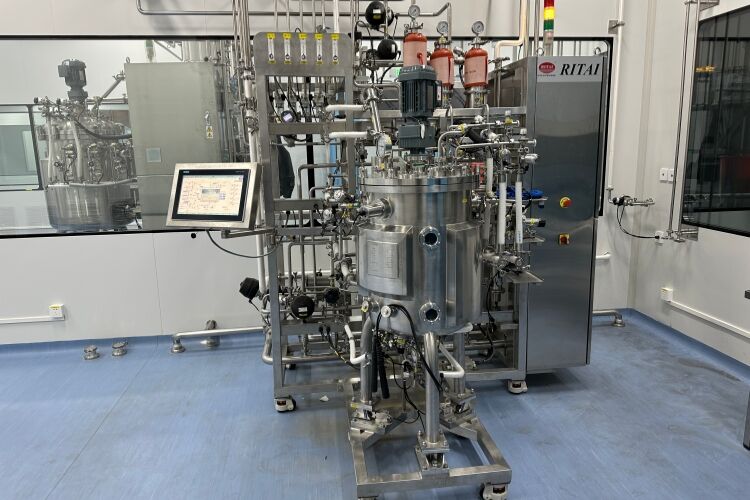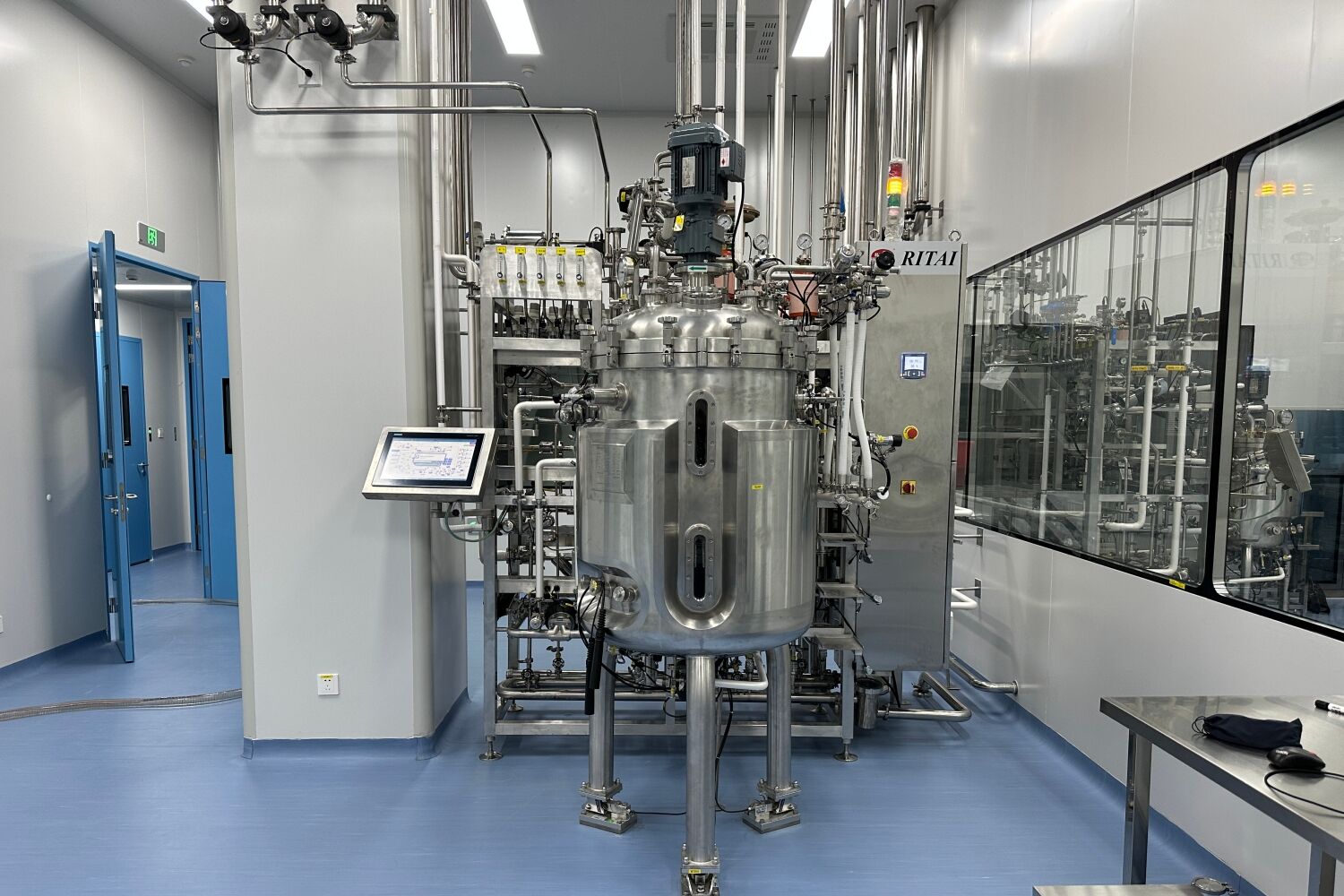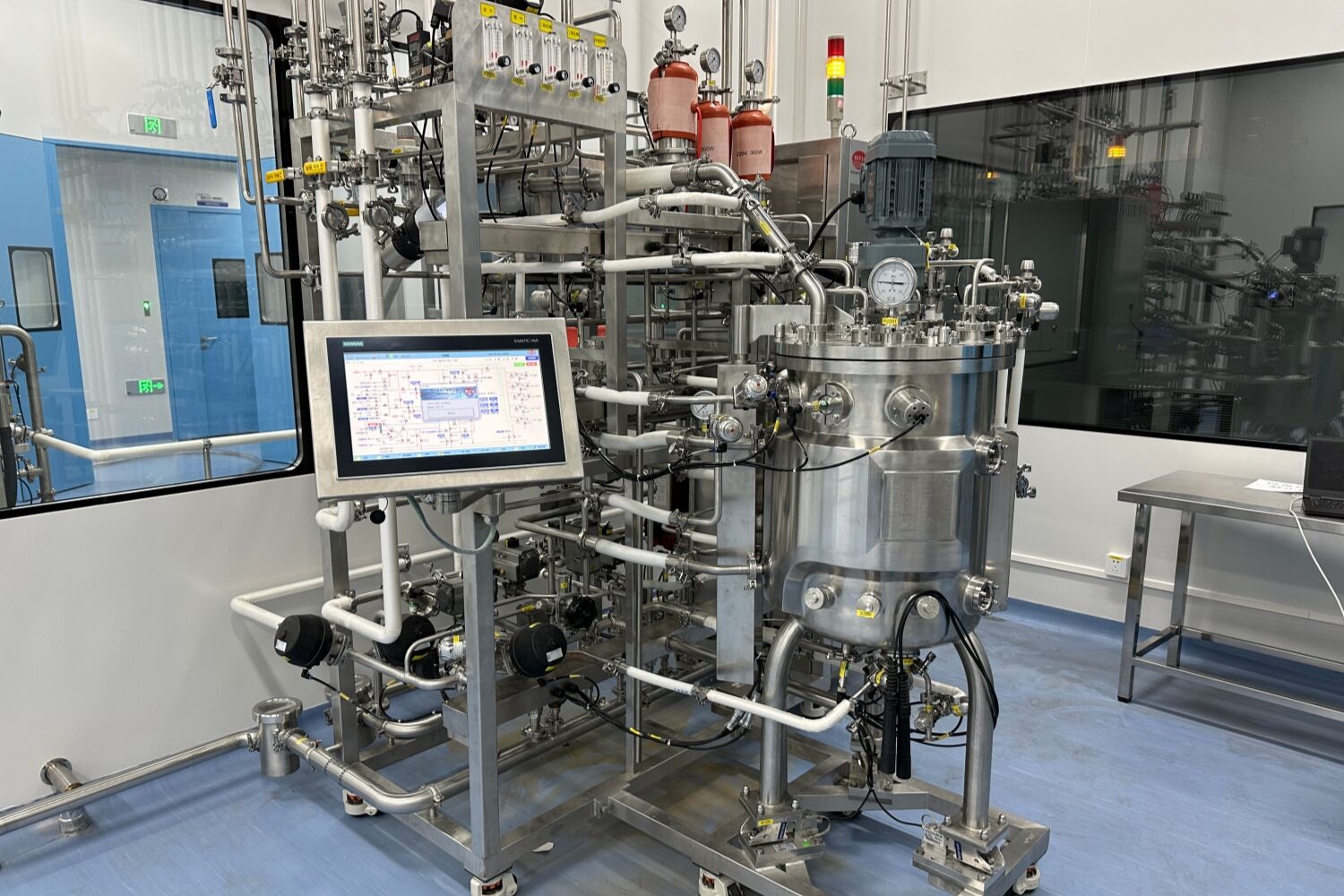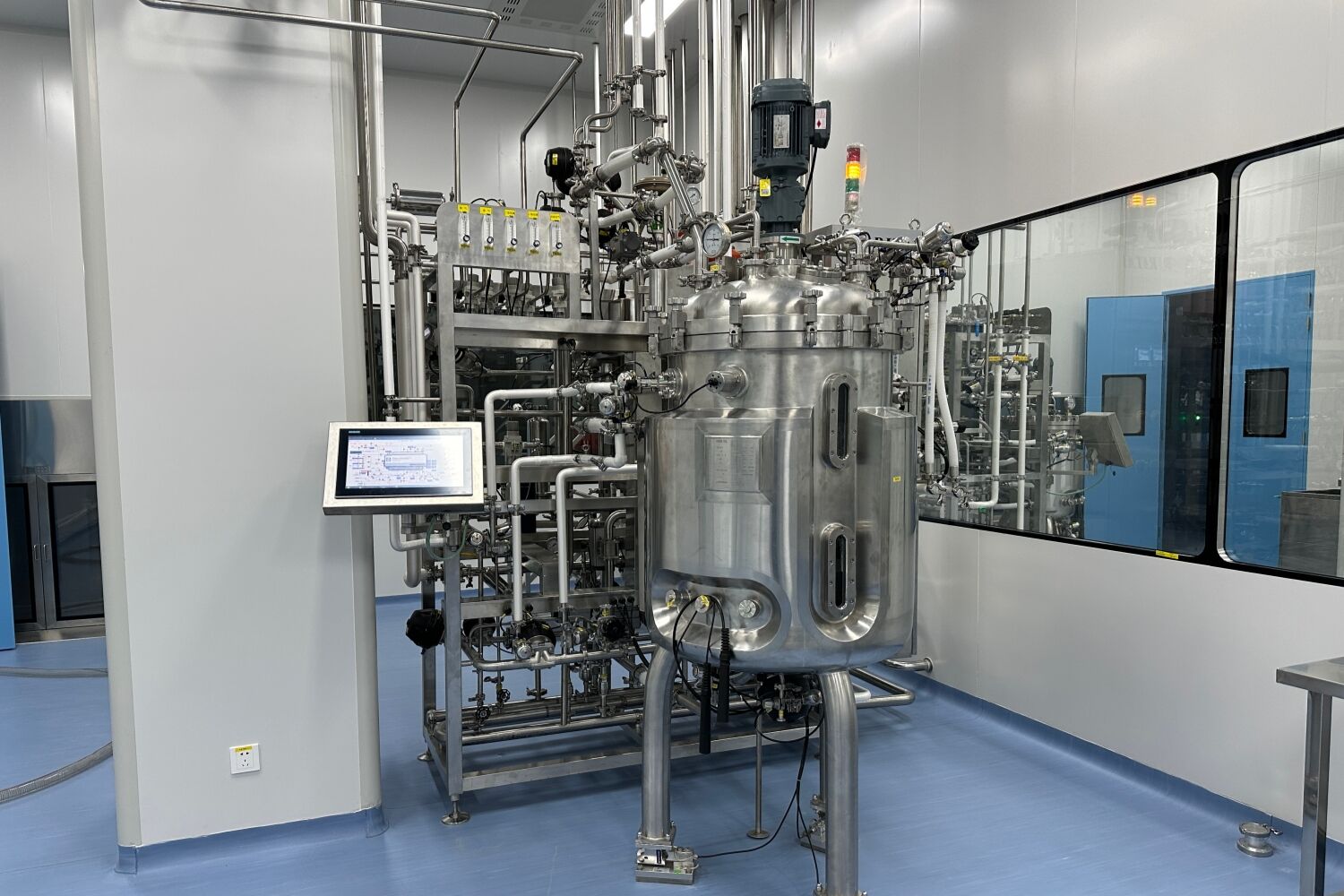
Core Biological Advantages
1.Ultra-High Cell Density:
Achieves 10⁷–10⁸ cells/mL, 100–1,000× higher than roller bottles, dramatically increasing yields of viral vaccines and recombinant proteins.
2.Vaccine Production Optimized:
Specifically tailored for Vero and MDCK cells commonly used in vaccine manufacturing. Features microcarrier sedimentation control to ensure uniform suspension and prevent growth heterogeneity at scale.
3.Exceptional Scalability:
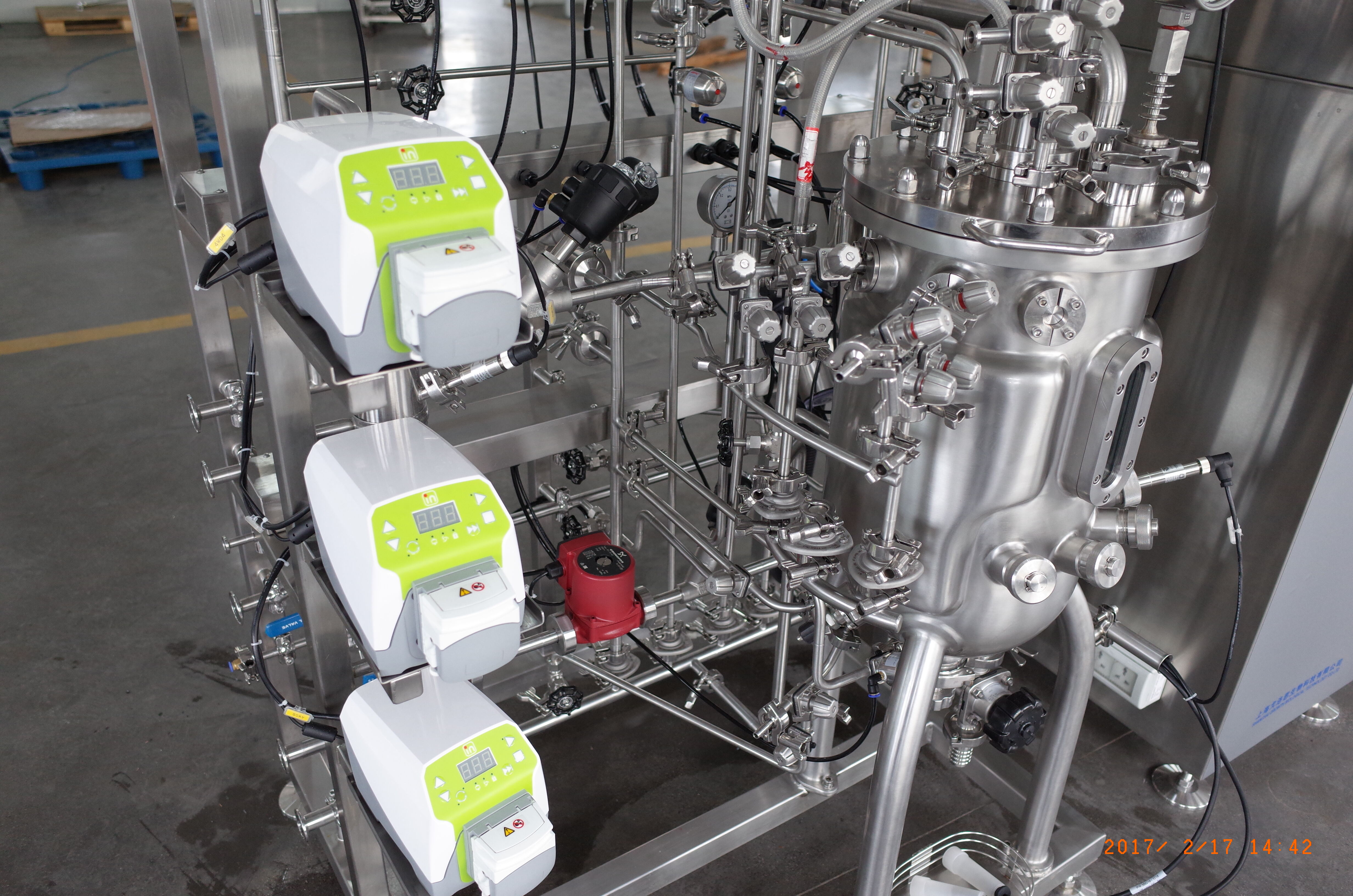
Validated up to 5,000 L—among the largest adherent culture platforms in biopharma. Uses segmented liquid-addition strategies and agitation optimization to mitigate microcarrier settling during scale-up, ensuring process consistency.
4.Enhanced Mass & Heat Transfer:
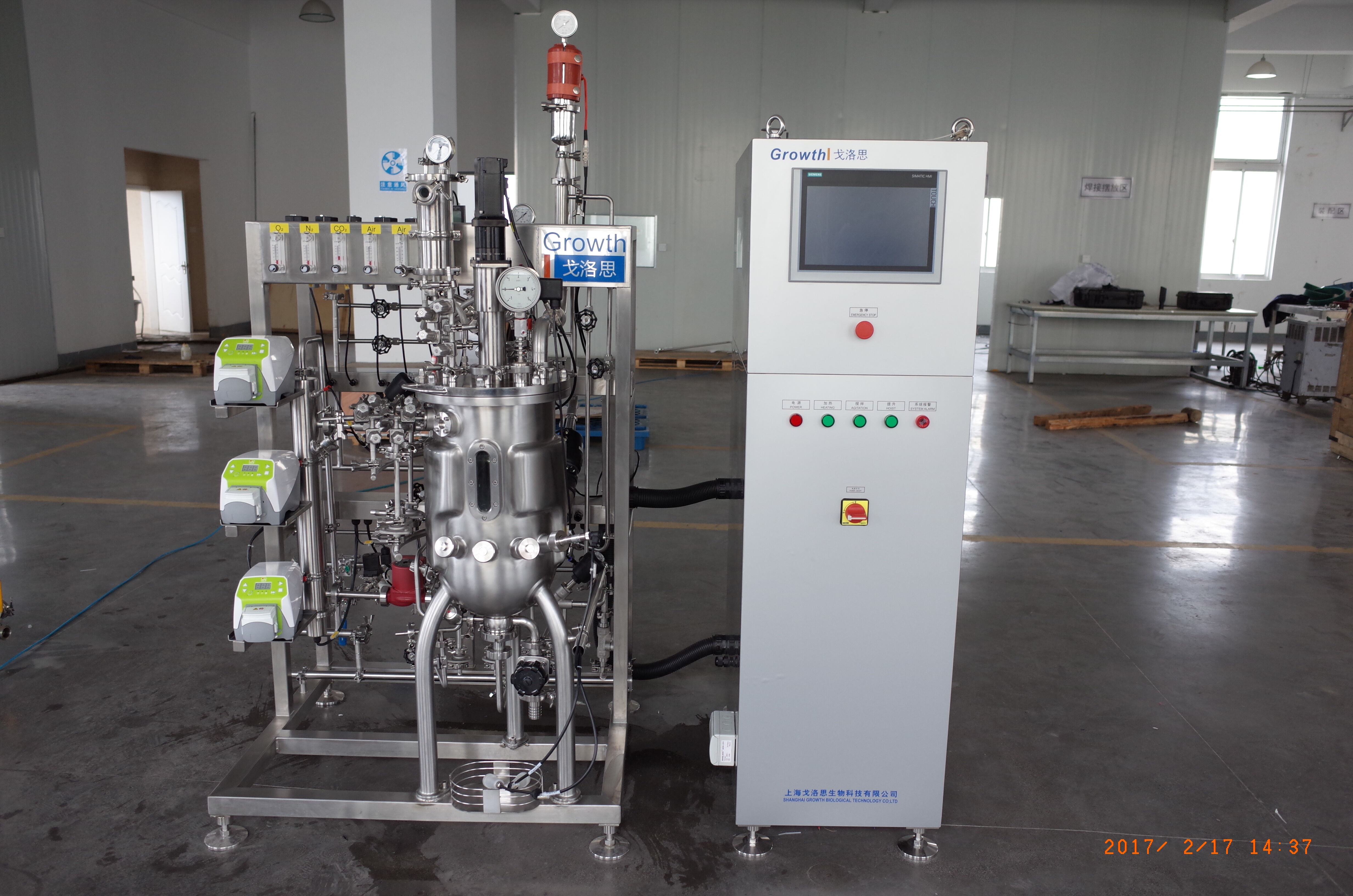
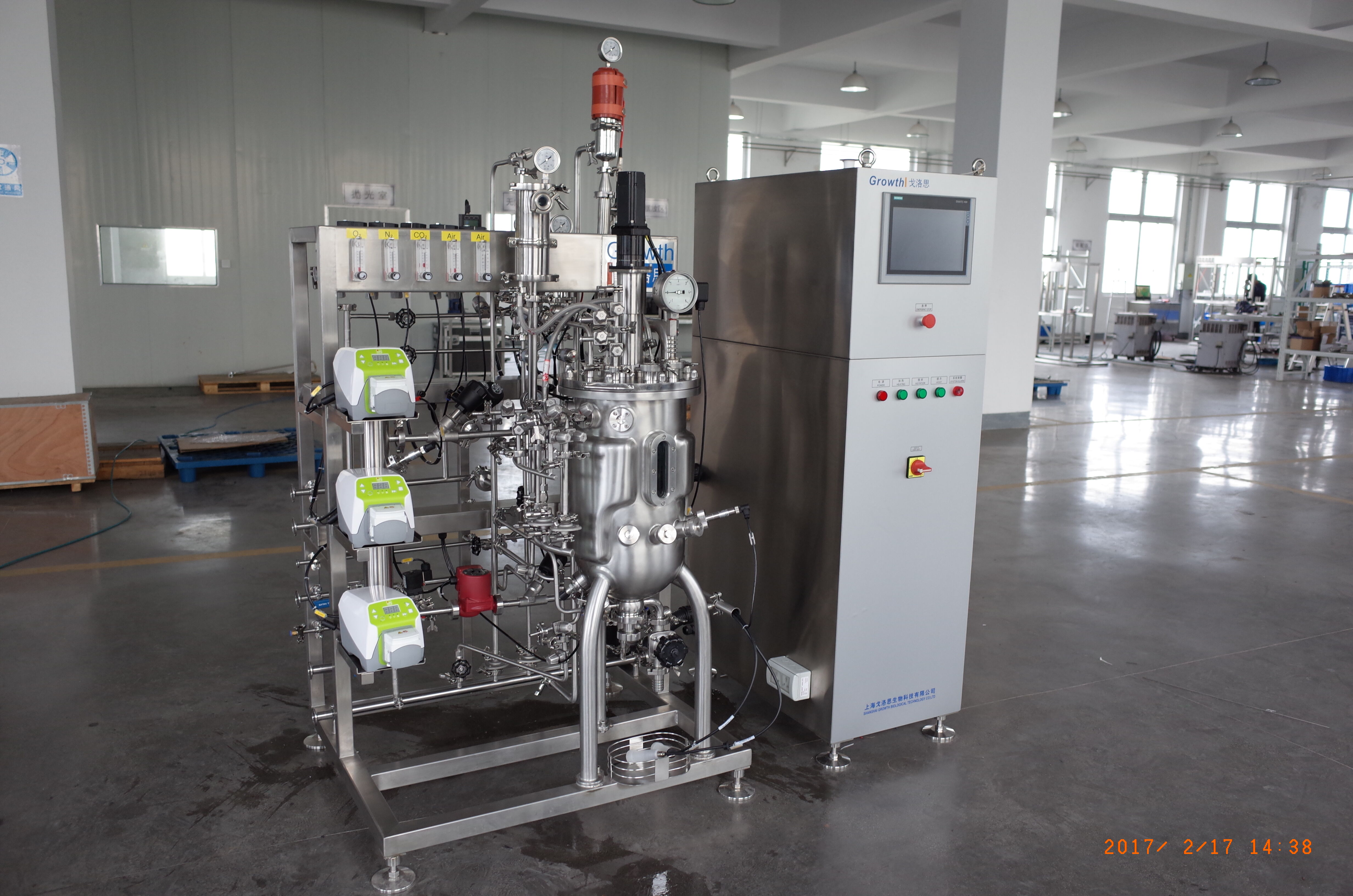
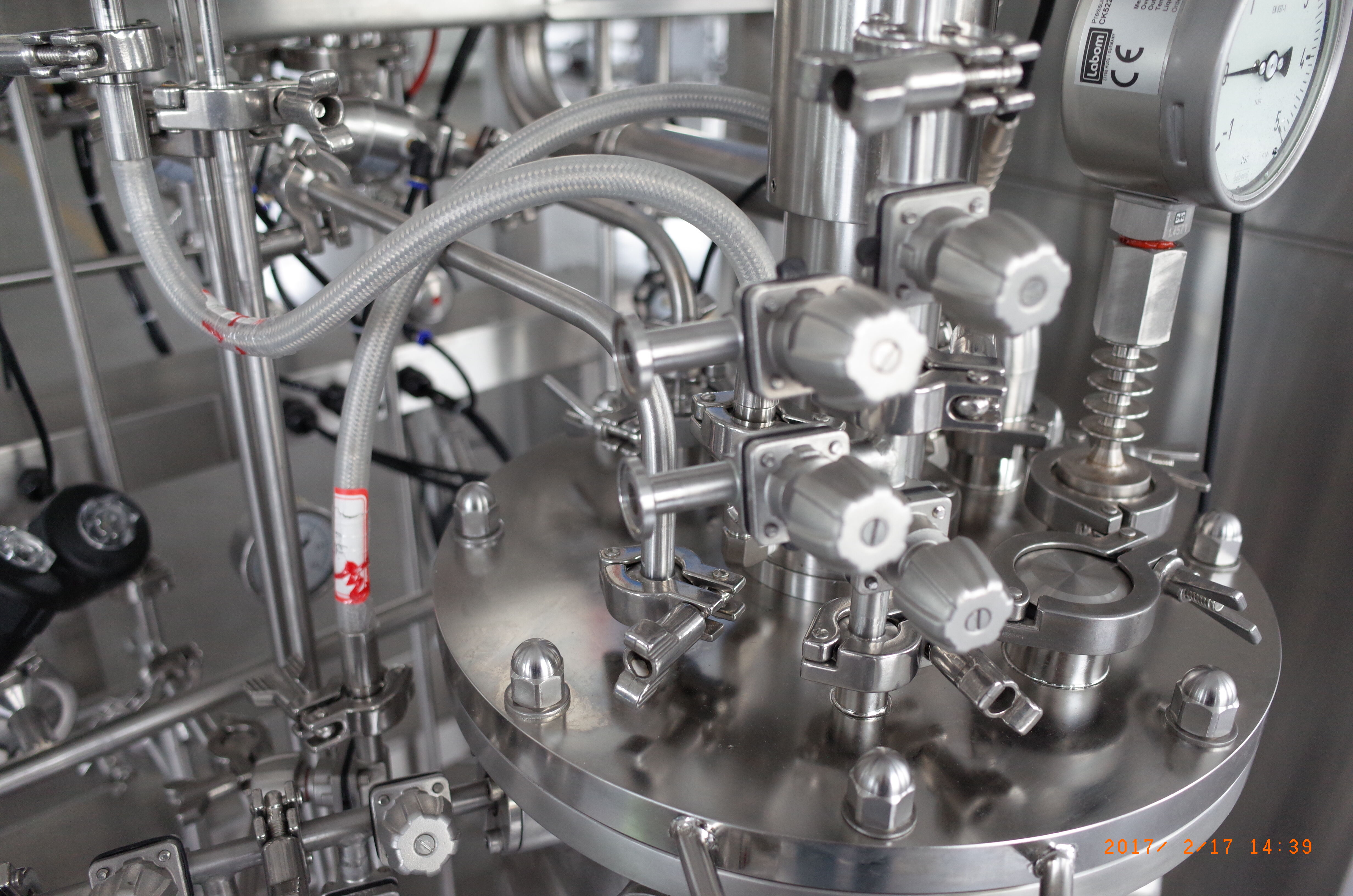
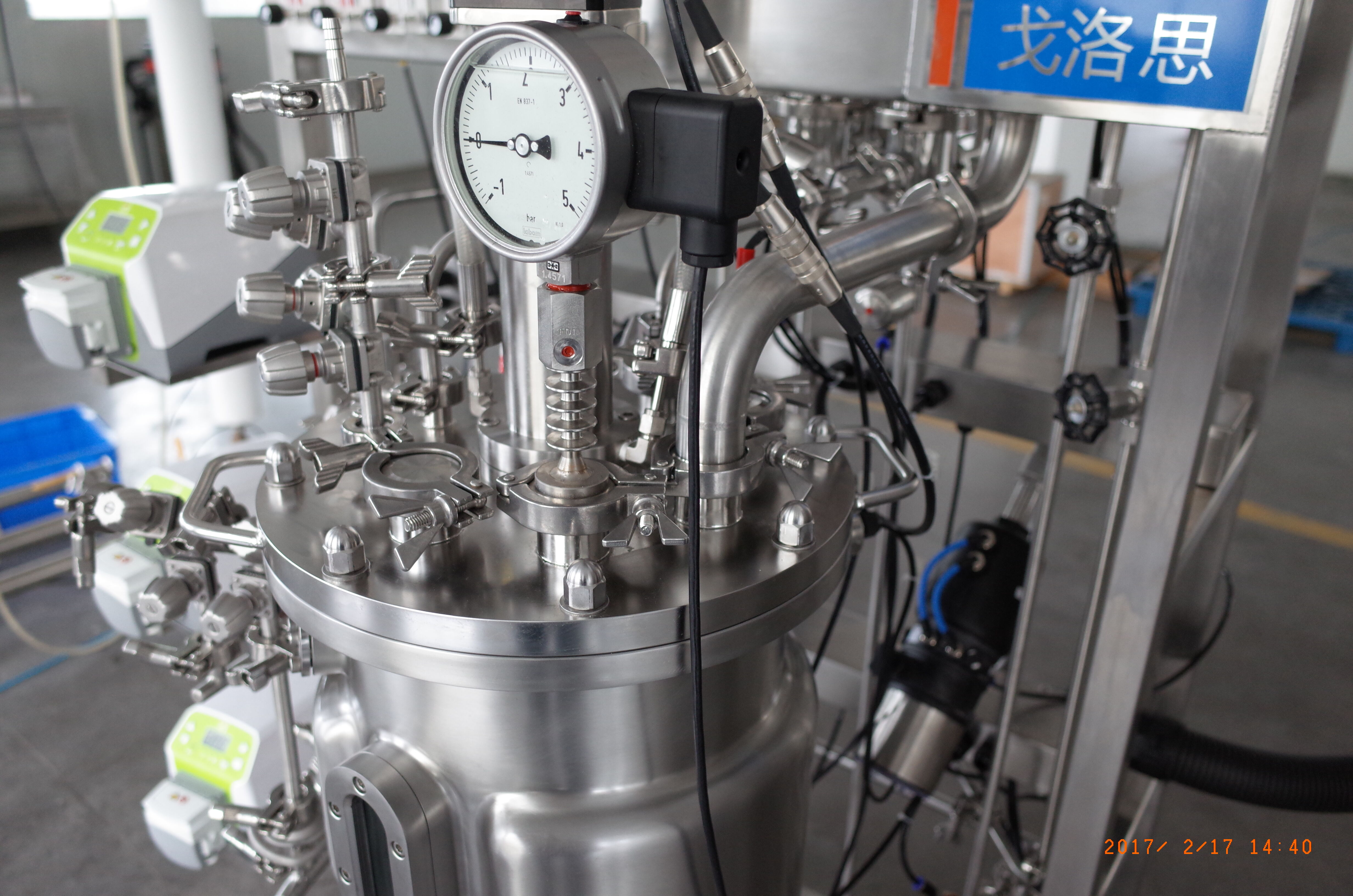
The six-blade impeller + baffle design improves mixing and oxygen transfer efficiency, increasing kLa by 30–40% to meet high metabolic demands.
5.Enhanced Product Expression on Microcarriers:
Many cell lines exhibit significantly higher productivity when adherent. For example, CHO cells produce 12–27× more monoclonal antibody on microcarriers than in suspension culture.
6.Batch Consistency & Data Management:
Supports multi-batch data comparison and “Golden Batch” auto-run functionality. Maintains batch-to-batch cell density variation within ±8%.
7.Low-Shear Environment:
Agitation speed (20–200 rpm) combined with impeller/baffle design maintains shear stress ≤50 dyne/cm², balancing microcarrier suspension with cell protection.
Applications1.Viral Vaccine Production:
Ideal platform for large-scale production of polio, influenza, and SARS-CoV-2 vaccines. During the pandemic, successfully deployed for mRNA vaccine manufacturing, with single batches yielding millions of doses.
2.Mesenchymal Stem Cell (MSC) Expansion:
In a 1 L culture using Cytodex 1 microcarriers, achieves 7 × 10⁸ MSCs in 3 days. Compared to roller bottles, saves 90% footprint and increases volumetric cell yield by 4.67×.
3.Cell Therapy Development:
Suitable for CAR-T cells, iPSCs, and other advanced therapy medicinal products (ATMPs), leveraging microcarriers to provide expansive growth surfaces and boost cell output for personalized medicine.
4.Biocatalysis & Wastewater Treatment:
Enables high-density microbial immobilization on microcarriers to enhance biocatalytic efficiency and wastewater biodegradation, applicable in environmental and bioenergy sectors.
Process Optimization Recommendations
1.Microcarrier Preconditioning:
Equilibrate and sterilize microcarriers in PBS. Load at 2–5 g/L. Maintain stable pH (7.2–7.4) and temperature (37°C) during preparation to prevent aggregation or settling.
2.Cell Seeding & Attachment:
Initial seeding density: 1.5 × 10⁵ cells/mL
After inoculation, static incubation for 30 minutes to promote cell-microcarrier contact
During attachment phase, maintain agitation at 39 rpm to suspend carriers while minimizing shear on newly attached cells
3.DO and pH Control Strategy:
Maintain DO > 40% and pH 7.2–7.4
Use dual-mode DO control:
Attachment phase: DO > 50% to support adhesion
Growth phase: Adjust DO dynamically to 30–50% based on metabolic demand to enhance product expression
4.Culture Monitoring:
Real-time monitoring of temperature, pH, DO via dual-PID control. Regularly assay glucose, lactate, and other metabolites to refine feeding strategies.
5.Scale-Up Strategy:
Address microcarrier settling risk via:
Segmented liquid addition (add 1/3 volume every 5 days)
Agitation ramp-down (e.g., from 30 rpm to 25 rpm)
Limit microcarrier concentration to ≤5 g/L to avoid poor mixing and elevated shear
6.Harvest Optimization:
Adherent cells are easily harvested due to surface fixation. Old medium can be decanted, followed by washing and fresh medium addition. For microcarrier systems, use Triton X-100 lysis combined with cell counting to ensure efficient recovery (CV ≤ 5.17%).
7.Viral Vaccine Production Optimization:
Inoculate virus seed when cell density peaks (10⁷–10⁸ cells/mL)
Shift temperature to virus-optimal range (typically 33–37°C)
Employ low-density seeding + high-density expansion strategy to maximize viral yield