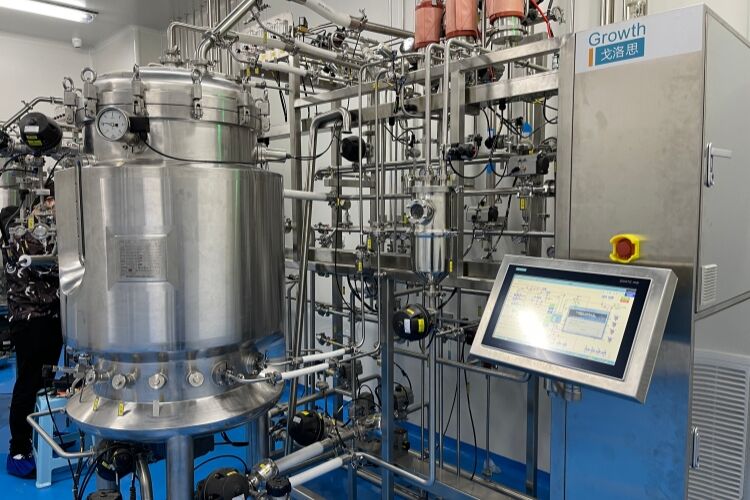
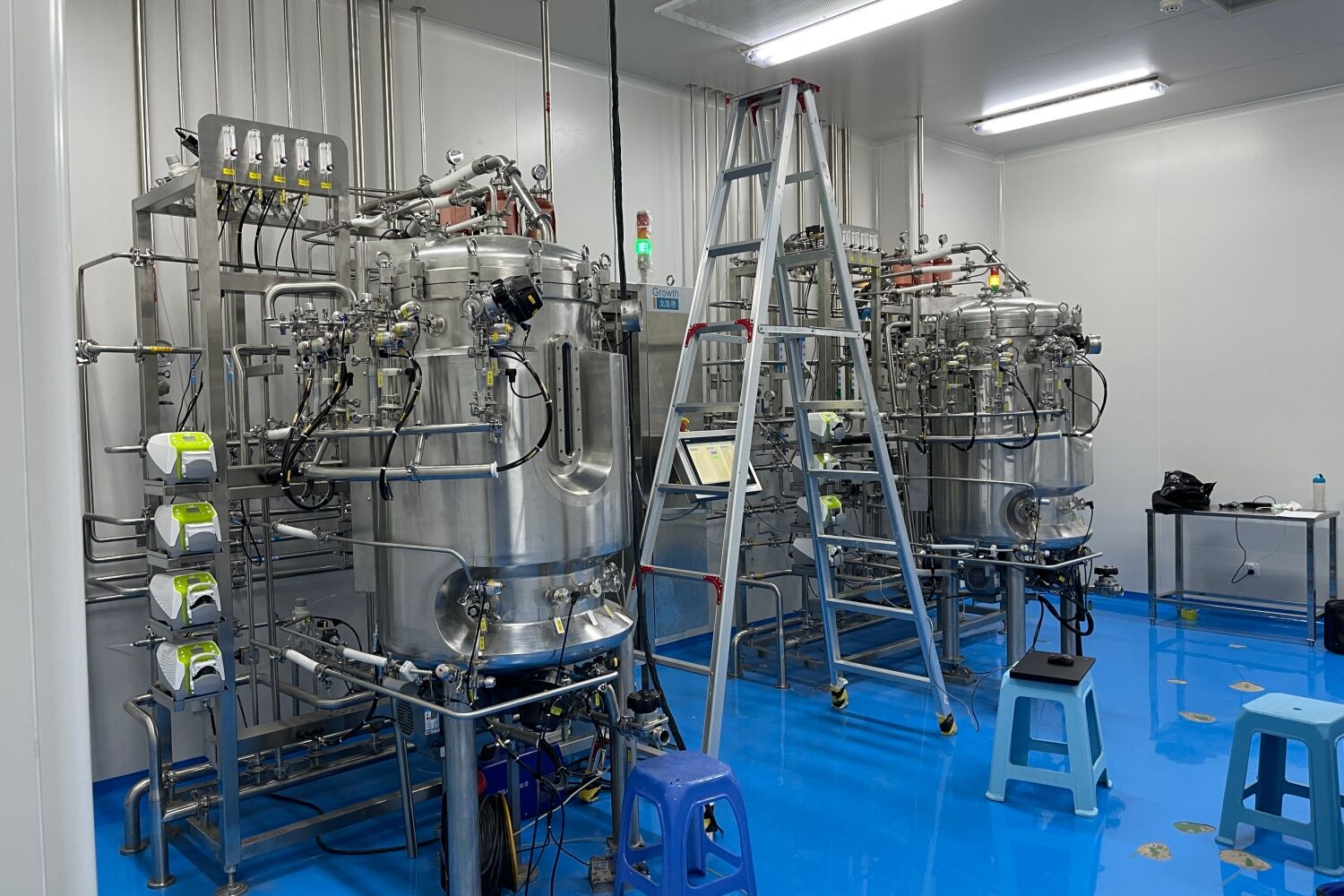
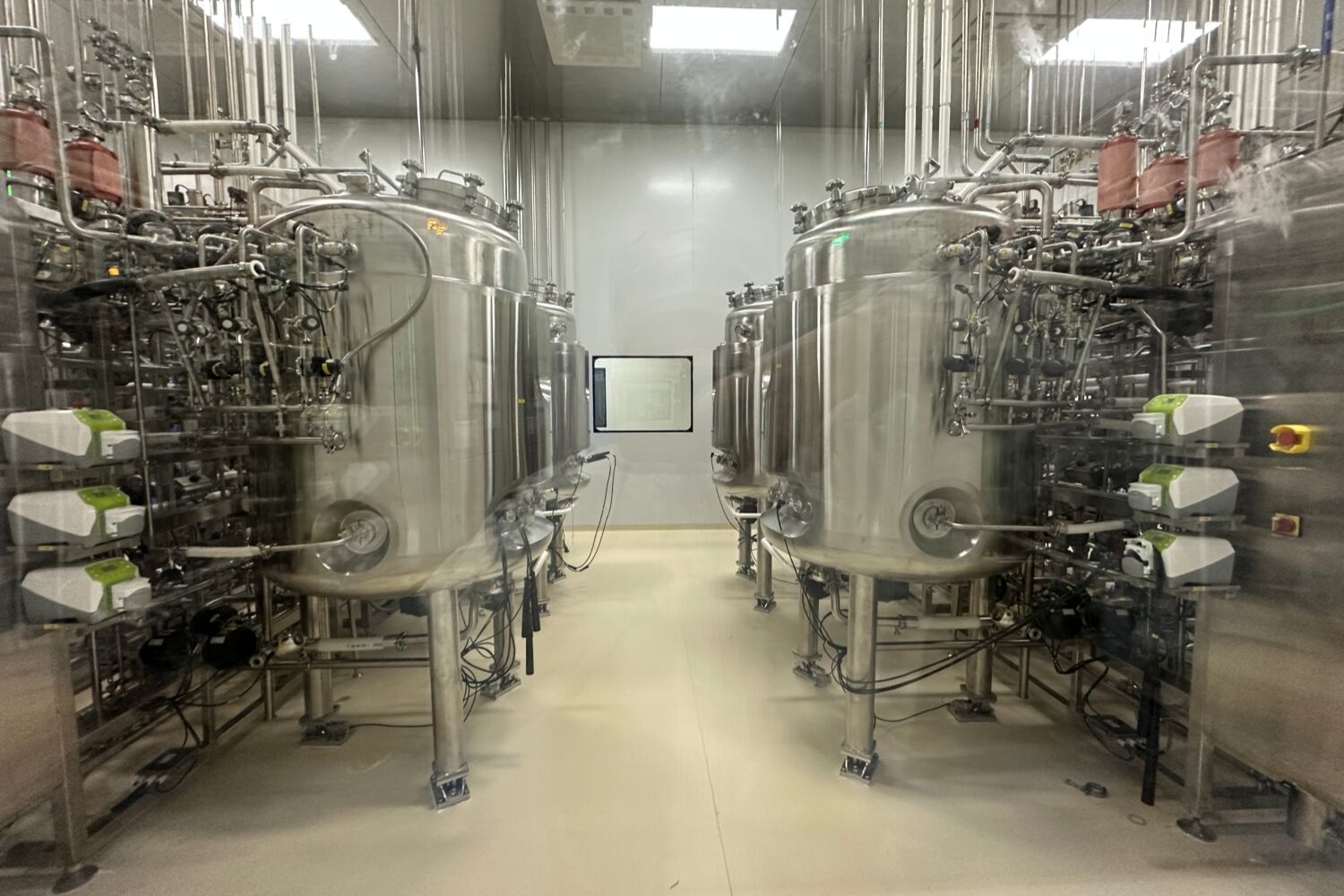
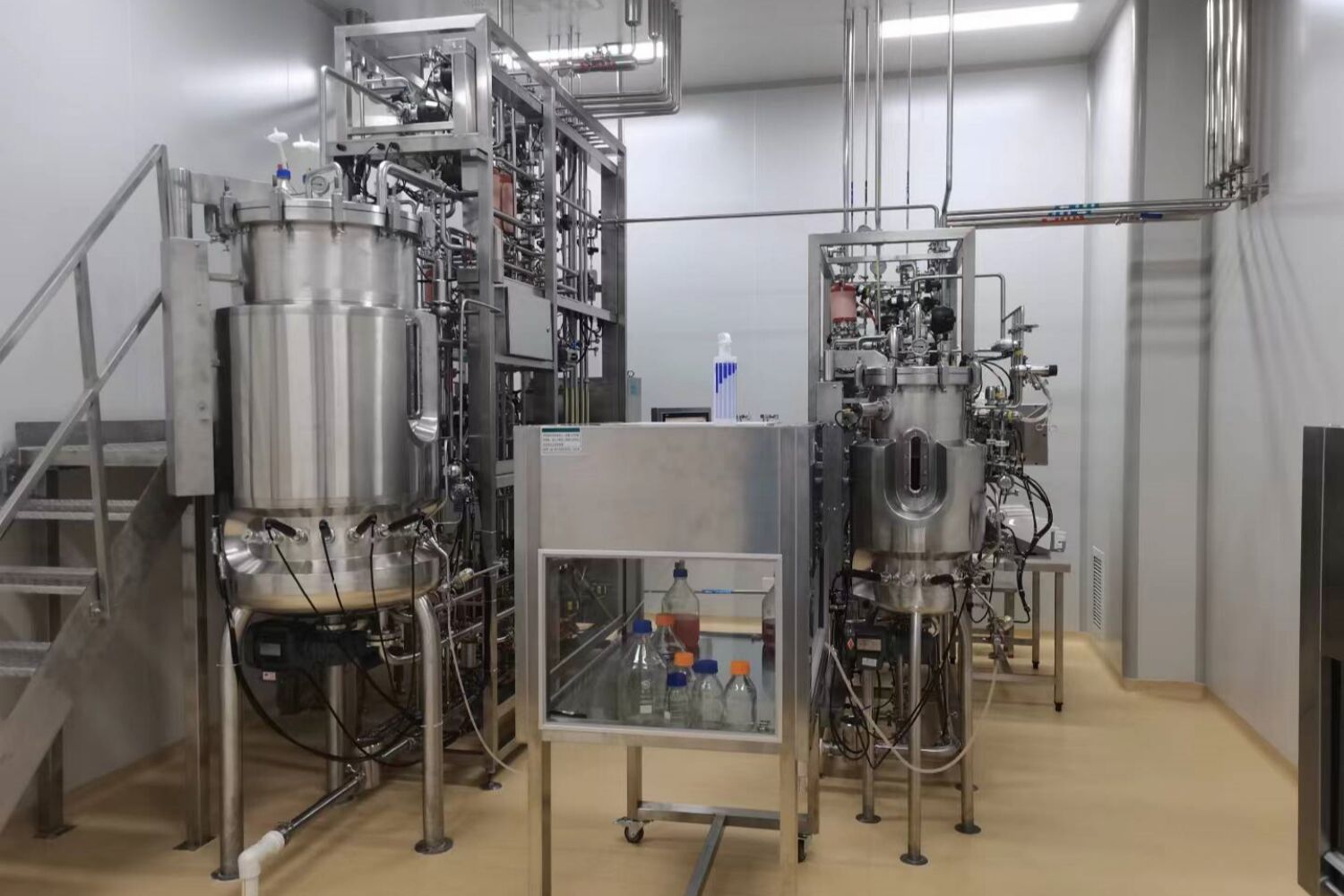
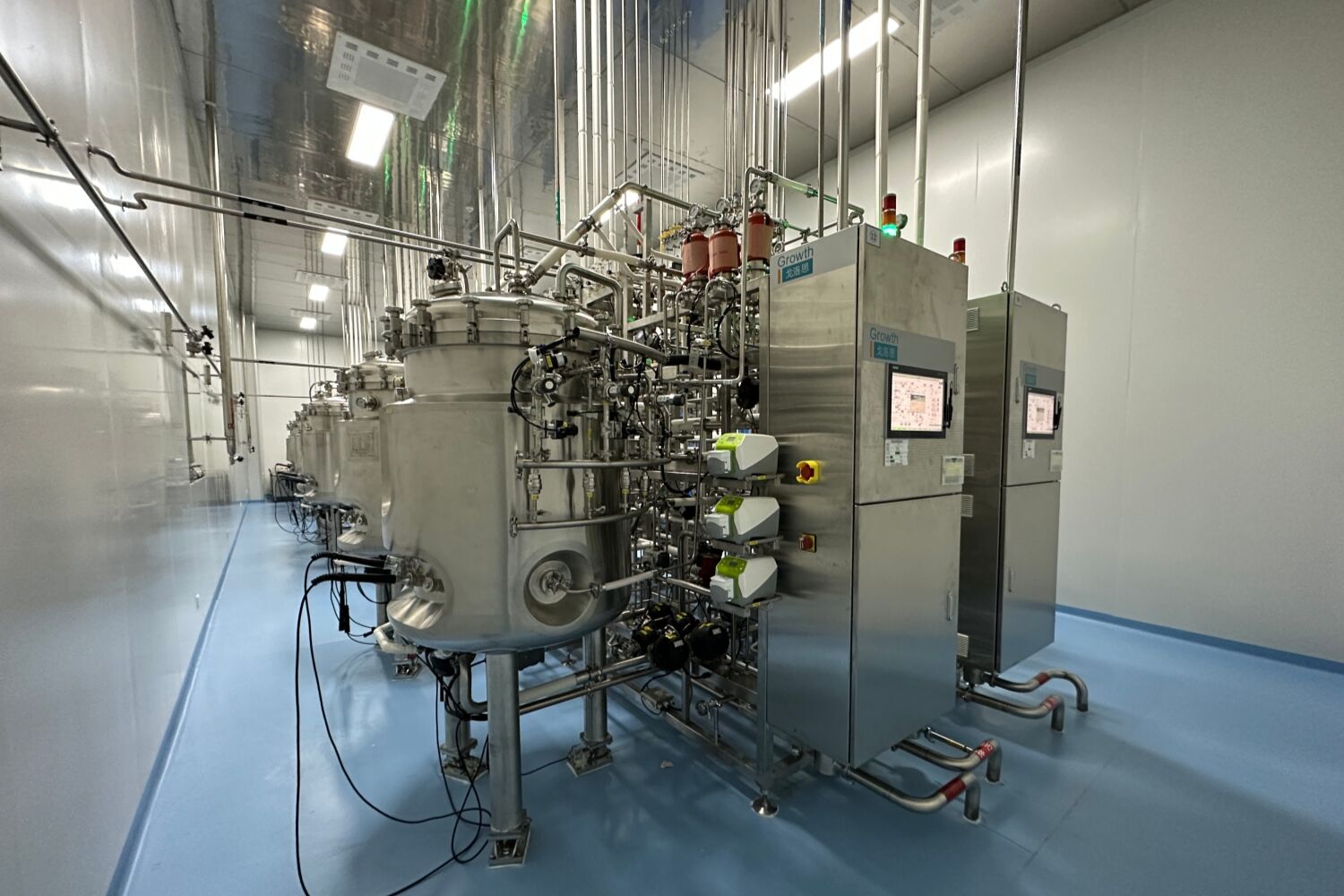
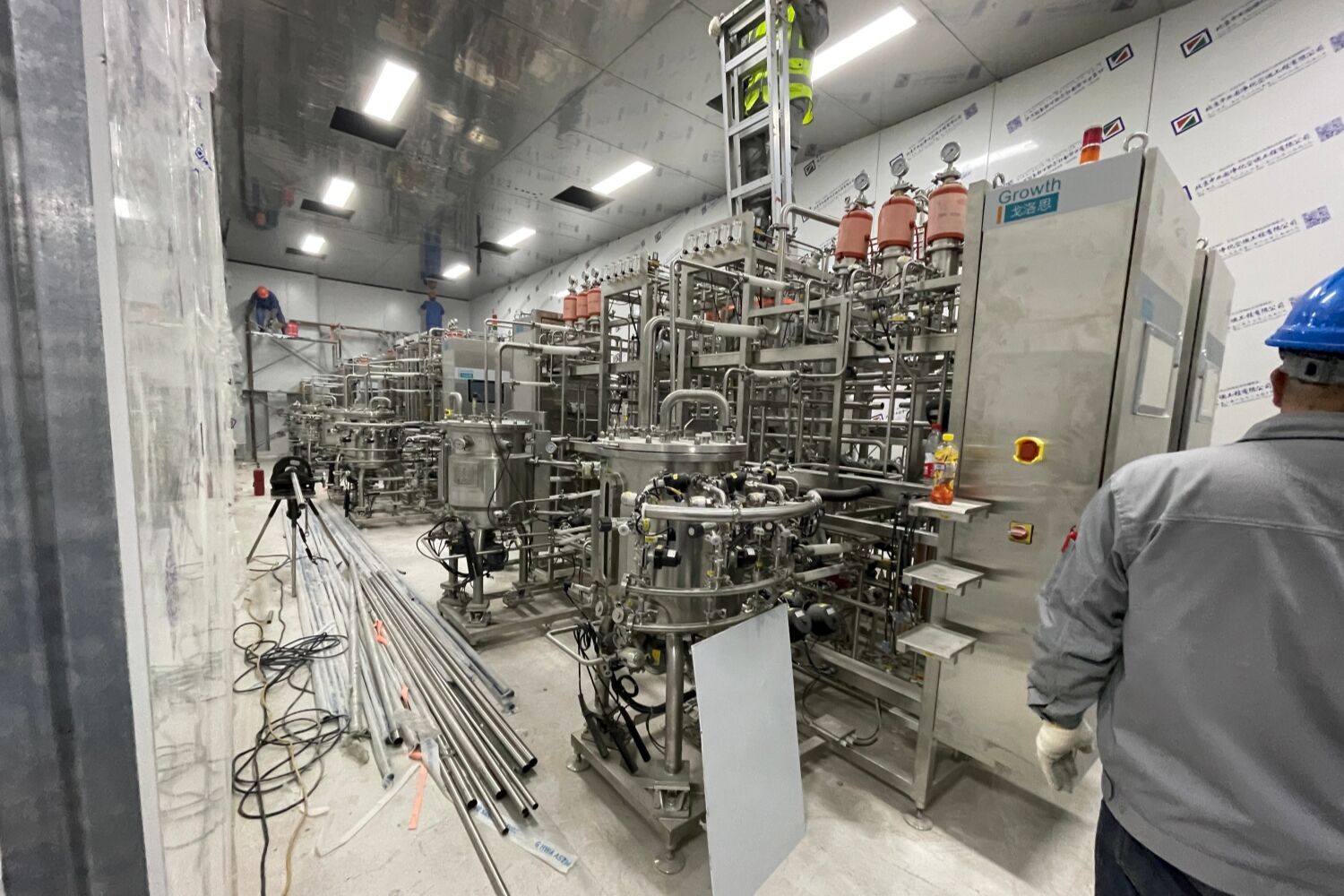
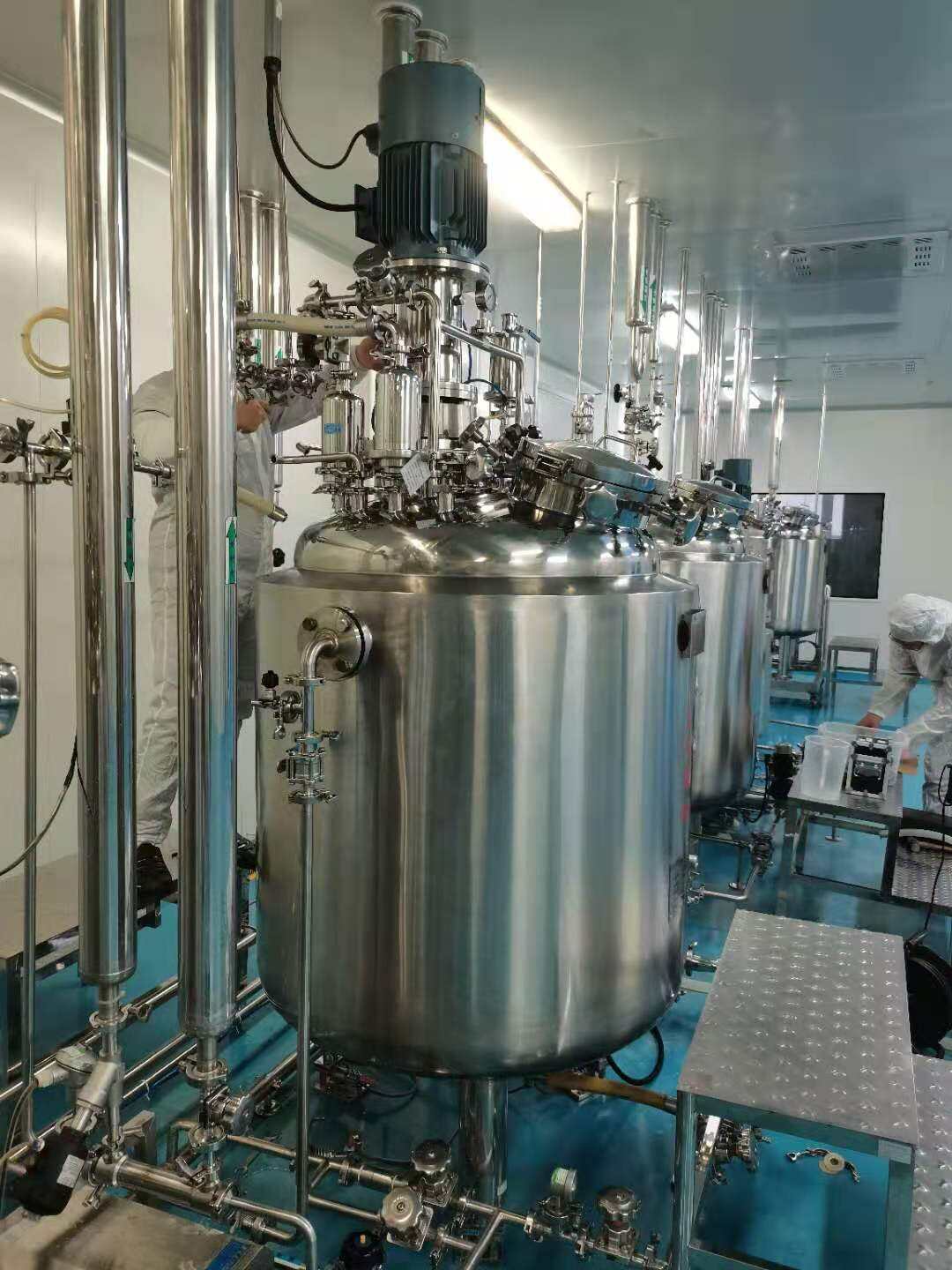
Technical Specifications (Biological Parameters)
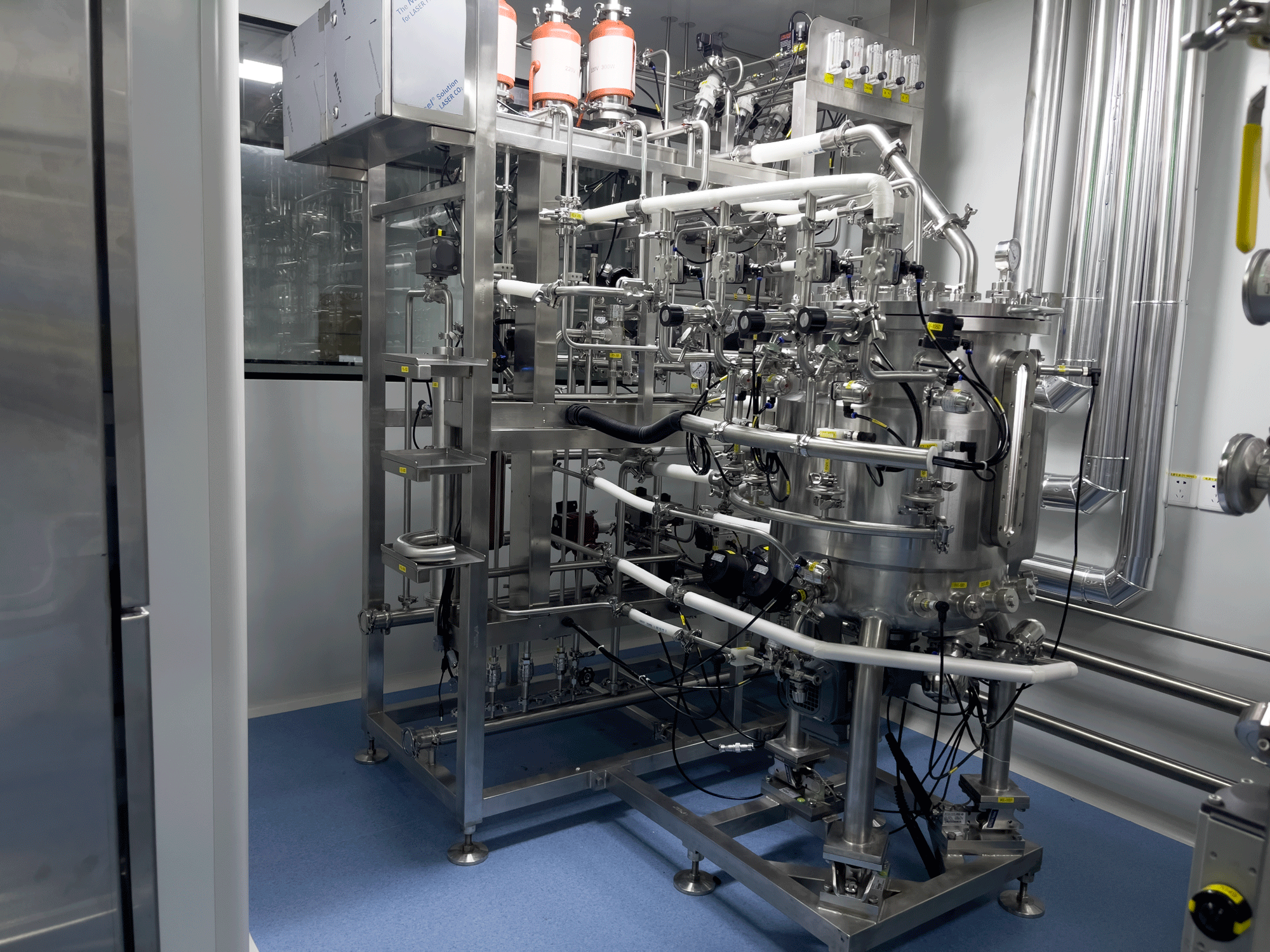
| Parameter |
Specification |
| Material |
316L stainless steel |
| Working Volume |
20 L – 5,000 L |
| Applicable Cell Types |
Suspension-adapted cell lines (e.g., CHO, HEK293, Sf9, BHK, MDCK) |
| Cell Density Range |
1–10 × 10⁶ cells/mL (Typical operating range: 5–7 × 10⁶ cells/mL) |
| Culture Modes |
Batch, Fed-batch, Perfusion |
| Agitation System |
Bottom-mounted magnetic drive; 20–200 rpm (±1 rpm); AC servo motor |
| Impeller Type |
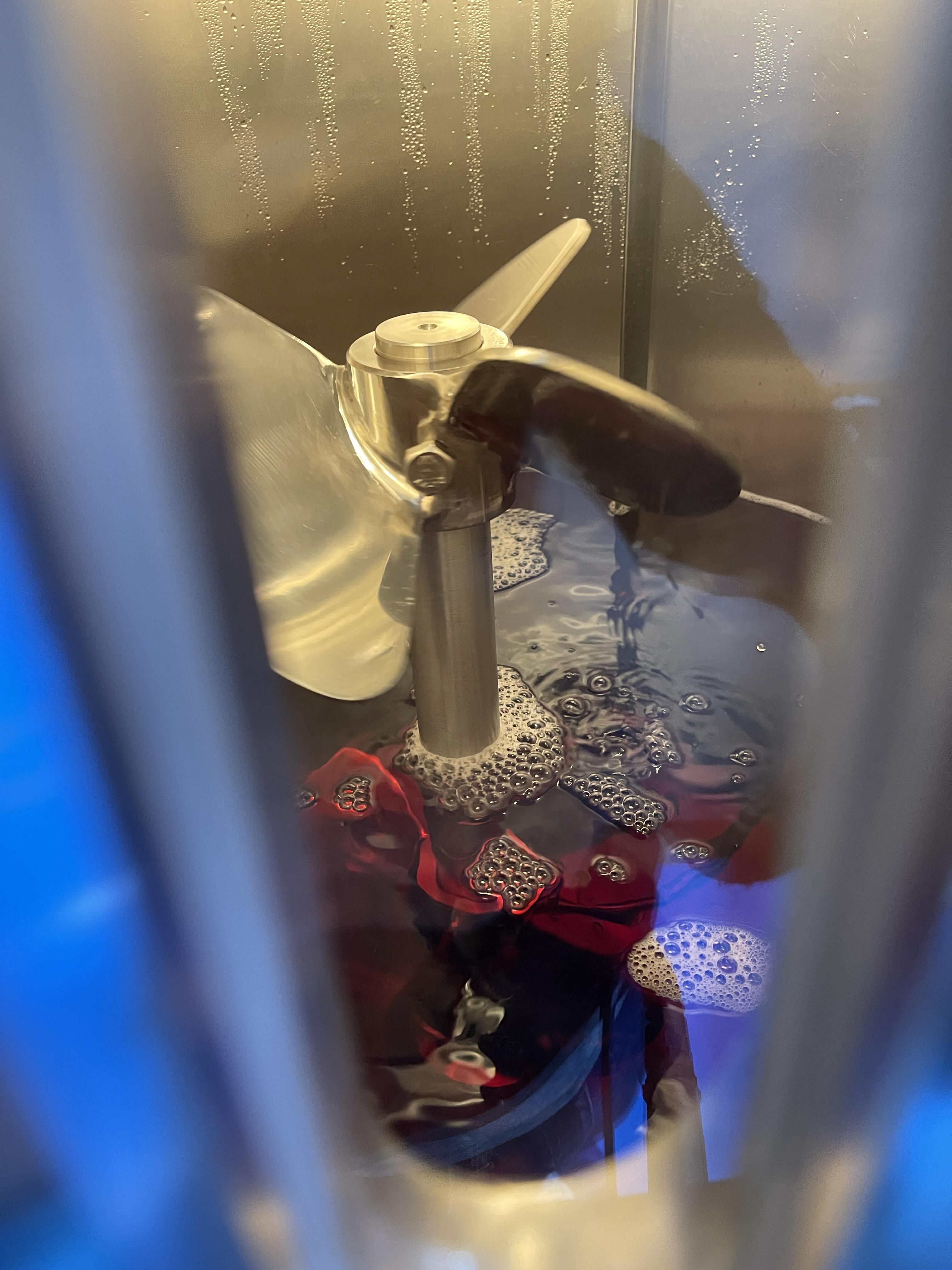
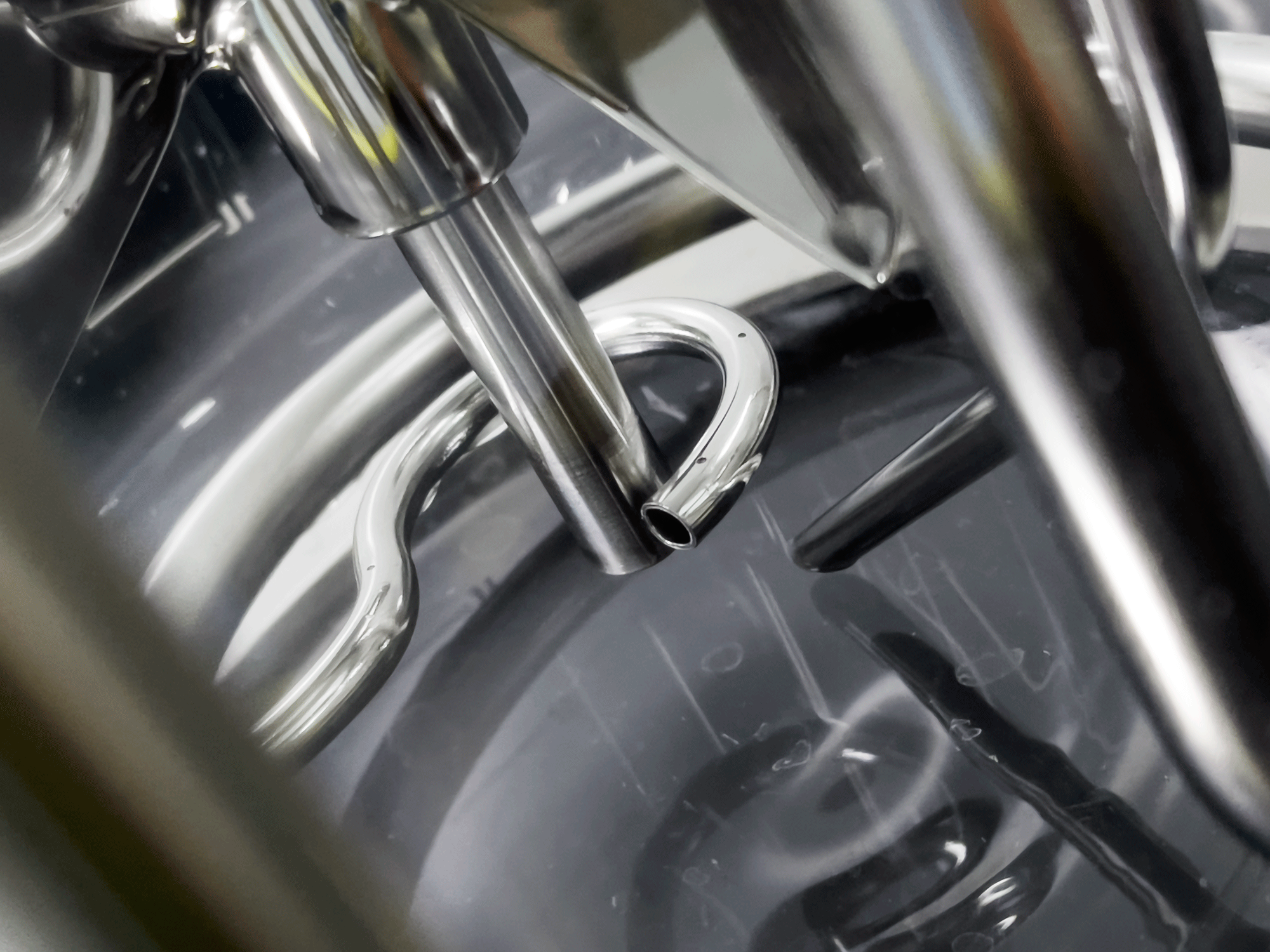
Marine-type impeller (low shear, high mixing efficiency) |
| Power Input per Volume (P/V) |
30–50 W/m³ |
| Temperature Control |
5–60°C, ±0.1°C (jacketed dual-PID control) |
| pH Control |
Range: 2–12; Accuracy: ±0.01; Automatic dosing of base/CO₂ |
| Dissolved Oxygen (DO) |
0–200%, ±1%; Gas blending with O₂, N₂, and air |
| Aeration Gases |
Air, O₂, N₂, CO₂ |
| Aeration Modes |
Deep sparging and surface aeration |
| Aeration Flow Rate |
0.3–2.0 vvm (volume of gas per volume of medium per minute) |
| Scalability |
Up to 5,000 L; scale-up based on dimensionless parameters (P/V, Re, vvm) |
| Sealing Technology |
Magnetic fluid seal (zero leakage, maintenance-free, sterile) |
| Control System |
Standalone industrial controller (no external PC required); supports remote access via smartphone or computer |
| Automation Features |
Built-in DoE support; automated feeding strategies; multi-pump control (up to 6 pumps per controller × 4 channels) |
| Power Failure Protection |
Auto-restart with parameter recovery |
| Sterilization |
In-place sterilization (SIP) compatible |
Core Biological Advantages
1.High Cell Density & Productivity:
The system’s optimized mass and heat transfer design supports cell densities up to 10⁷ cells/mL—10–20 times higher than conventional shake-flask cultures—significantly boosting product yield.
2.Robust Scalability:
Process scale-up is based on dimensionless parameters (P/V, Re, vvm), ensuring consistent performance from lab scale to 2,000 L industrial scale. Scale-up validation requires three consecutive batches with batch-to-batch variation in cell density and titer <10%.
3.Precise Environmental Control:
Temperature: ±0.1°C
pH: ±0.01
DO: ±1%
Meets stringent requirements for sensitive biological processes.
4.High-Throughput Process Optimization:
Built-in Design of Experiments (DoE) functionality enables simultaneous multi-parameter optimization, dramatically shortening process development timelines.
5.Industrial-Scale Compatibility:
Features fixed-bed structural design and magnetic fluid sealing technology, ensuring system stability, sterility, zero leakage, no wear, and maintenance-free operation during scale-up.
6.Full Automation:
Operates without external PC; supports remote monitoring and control via internet-connected devices (smartphone or computer). Includes automated feeding strategy execution.
7.Power Failure Protection:
Equipped with auto-restart after power loss, restoring all control parameters to pre-outage conditions to ensure uninterrupted long-term cultures.
Applications1.Monoclonal Antibody Production:
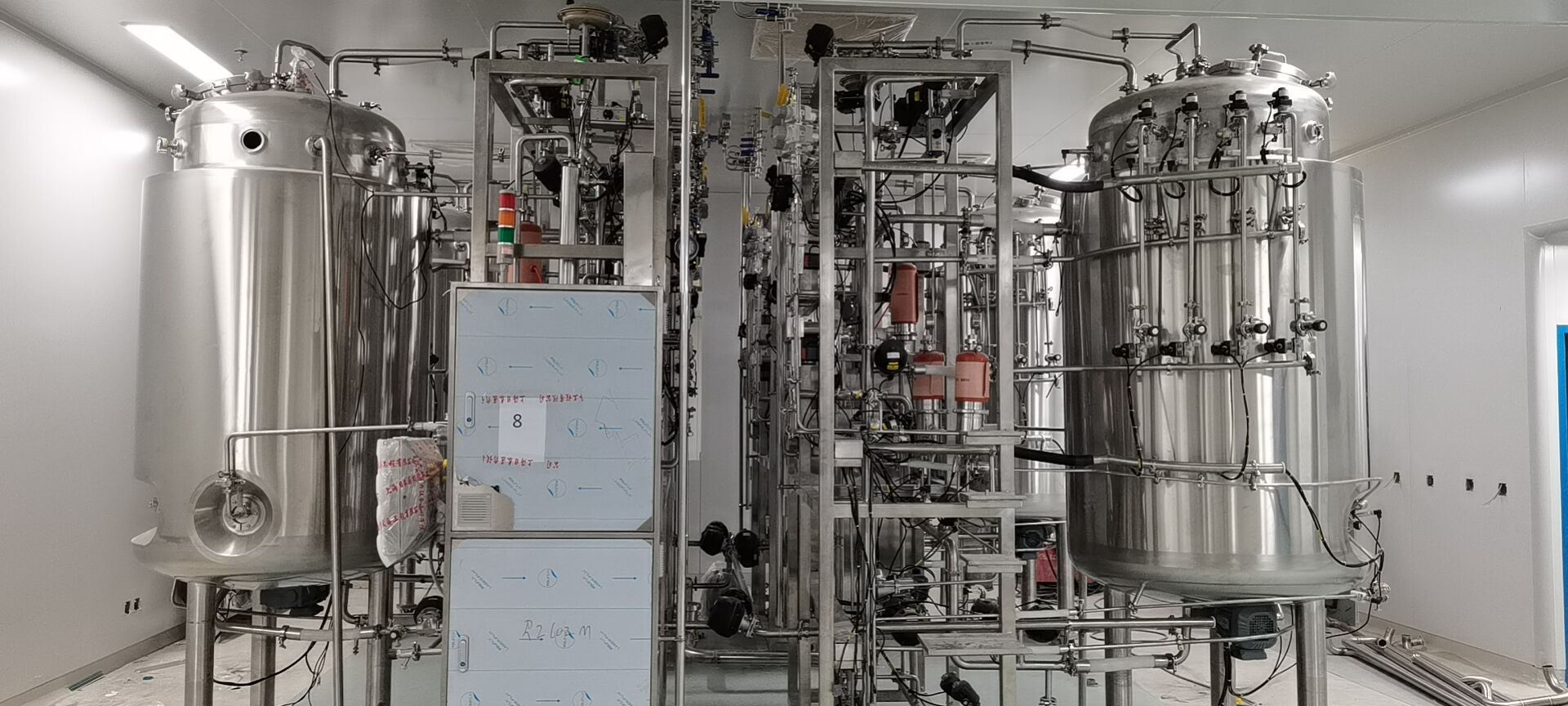
Supports high-density suspension culture of CHO cells. At 500 L scale, achieves OD₆₀₀ > 300 and oxygen transfer coefficient (kLa) up to 675 h⁻¹, significantly enhancing mAb yield.
2.Recombinant Protein Expression:
Precise temperature control (4–80°C) and pH regulation optimize expression conditions for proteins such as insulin and growth hormones.
3.Viral Vector Production:
Suitable for suspension culture of adenovirus, AAV, etc. Optimized agitation (60–80 rpm) and aeration (0.5–1.5 vvm) enhance viral titer.
4.High-Density Microbial Fermentation:
Applicable to E. coli and yeast, supporting OD₆₀₀ > 300, ideal for antibiotic and recombinant protein production.
Process Optimization Recommendations
1.Agitation Optimization:
oStart at 60–80 rpm.
oWhen cell density exceeds 5 × 10⁶ cells/mL, reduce to 40–60 rpm to minimize shear damage.
2.Feeding Strategy:
Use automated fed-batch/perfusion systems with real-time adjustment based on metabolites (e.g., glucose, lactate). Each of the 4 controllers can manage up to 6 high-precision peristaltic pumps, enabling complex multi-stage or multi-nutrient feeding protocols.
3.Dissolved Oxygen Control:
Maintain DO at 30–50% during high-density phases. Adjust vvm (0.3–2.0) and agitation (50–100 rpm) accordingly. For high-oxygen-demand cells, use dual aeration mode: deep sparging during sterilization, surface aeration during culture.
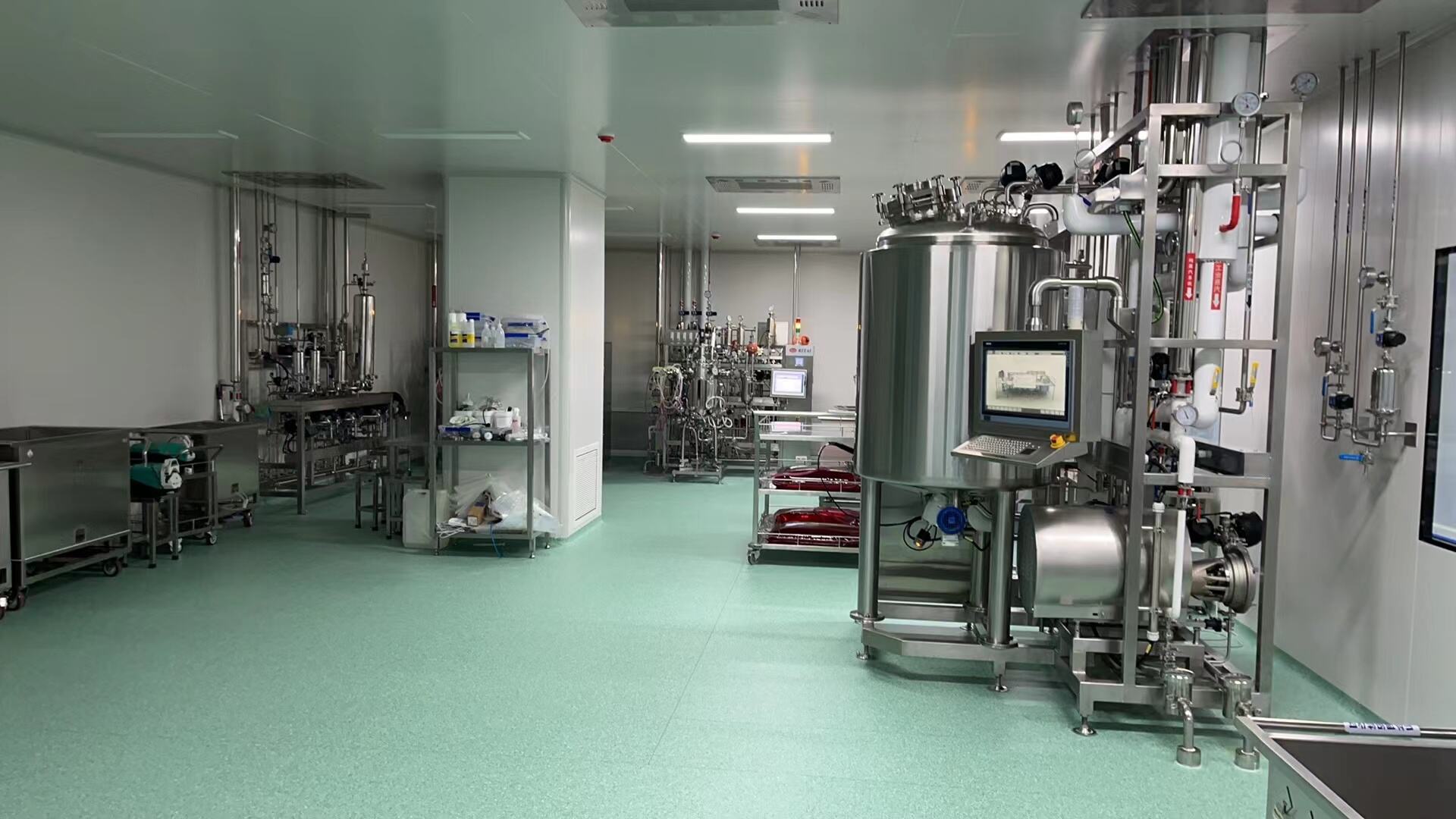
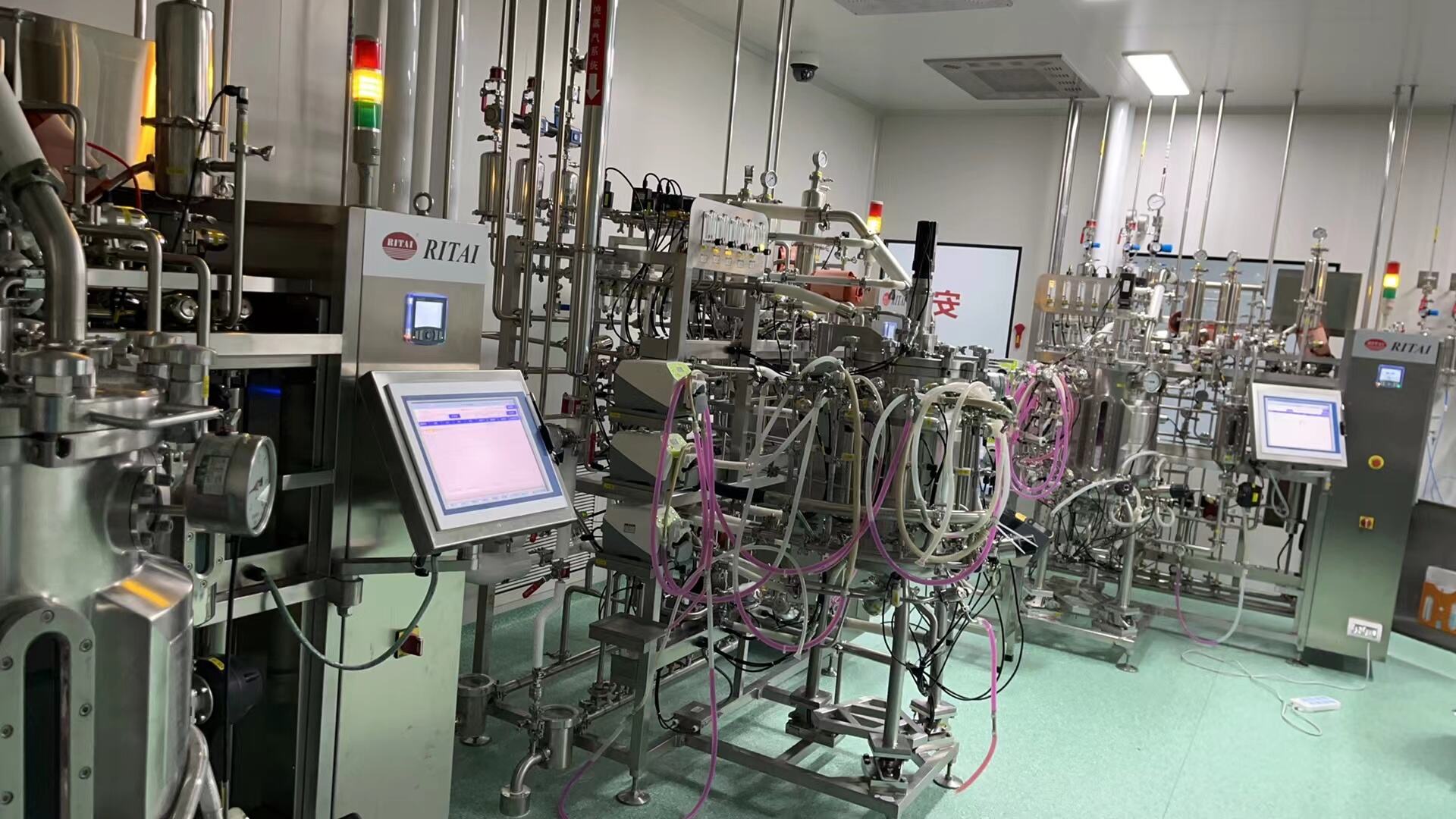
4.Perfusion Culture Setup:Use a cell retention device to maintain cell density at 5–7 × 10⁶ cells/mL. Start perfusion rate at 0.1–0.3 reactor volumes/day, increasing to 0.5–1.0 volumes/day as cell density rises.
5.Scale-Up Validation:
Maintain P/V = 30 W/m³ by adjusting impeller diameter and speed. Conduct 3–5 pilot batches to collect data on temperature, pH, DO, cell density, and titer for robust scale-up modeling.
6.Sterility Assurance:
Magnetic fluid seals ensure sterile integrity at the agitator shaft interface. Always follow aseptic operating procedures and perform regular system integrity tests and sterilization validation.