
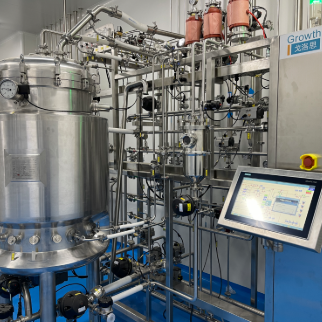
The Optimal Cell Growth Physiological pH window in Cell Culture Bioreactors
Why 7.2–7.4 pH ranges Protect Membrane Integrity and Optimize Uptake and Kinetics
Productivity of mammalian cells in a culture bioreactor is contingent upon the restriction of extracellular pH to a narrow 7.2–7.4 range. This range is pH balanced for 3 biological pillars:
a. Enzyme kinetics: Metabolic enzymes are affected by charge distribution in pH-sensitive ranges. Enzyme activity can be reduced by as much as 40-60% due to structural conformational shifts across pH ranges.
b. Membrane integrity: Membrane integrity is sustained within a narrow range due to electrochemical gradients and osmotic balance of the membrane transport system. Deviations from this range induce ruptures to membranes.
c. Nutrient transport: Transport of amino acids into cells, particularly essential branched-chain amino acids, is reduced to such a great degree that primary biosynthetic precursors are exhausted and cell growth is stunted.
CHO and HEK293 cell lines are particularly sensitive, with the slightest pH drift of 0.3 units provoking irreversible reprogramming of the cellular metabolic pathways as verified by transcriptional profiling and flux balance analysis (Nature Biotech, 2021).
Viability Impact, pH Range and Role of pH in Bioreactors
Negative Growth and Viability Loss in all Cultures of HEK 293 and CHO under Constant pH Deviation
The sustained pH imbalance in CHO cultures exhibited in the bioreactor industry standard lines results in:
- 40% Loss of viability due to acid-induced DNA p53 fragmentation and p53 upregulation
- 200% Increase in acid production due to lactate, reinforcing acidification with feedback enhanced
- Decrease in G1-Phase, which led to a 50% decrease in the Product Titer as a result of a transcriptional shut down of reconstituted proteins.
All HEK293 systems face similar challenges: glycosylation accuracy drops dramatically at pH 7.8. There is a 3-fold increase in the misfolding of galactosyltransferase, which negatively impacts the effector function of monoclonal antibodies (mAbs). These variances cost on average $740k per bioreactor run (Ponemon Institute, Biomanufacturing Risk Report, 2023), highlighting the necessity of pH control in bioproduction at scalable, compliant levels.
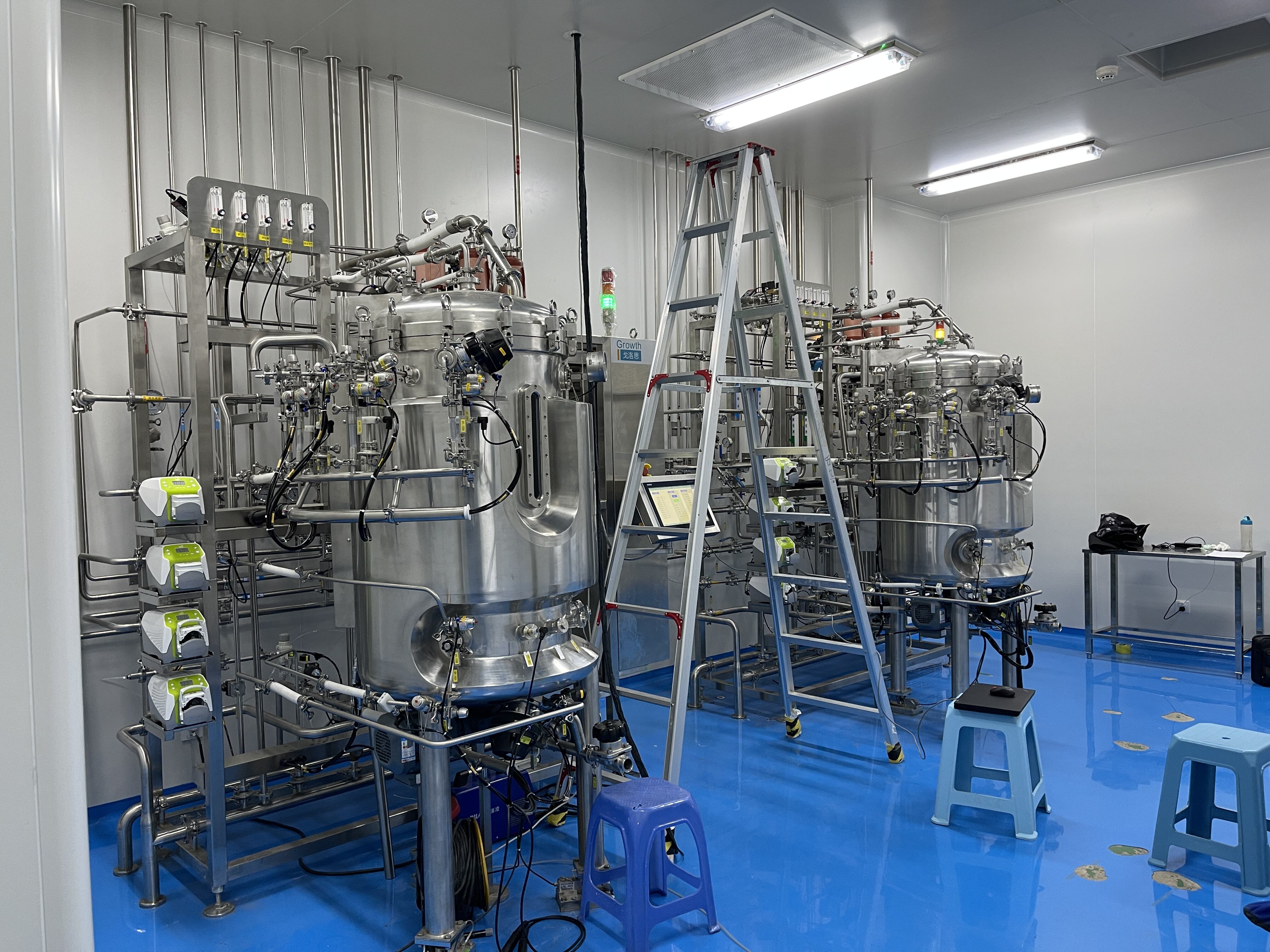
sources of the instabilities metabolically
The Accumulation of CO₂ and Buffering System of Sparged Bioreactors
During the process of cellular respiration, CO₂ is produced which reacts with H₂O, forming carbonic acid (H₂CO₃) which partially dissociates into H⁺ and HCO₃⁻. There is a built-in bicarbonate buffering mechanism in the body (CO₂ + H₂O ↔ H₂CO₃ ↔ H⁺ + HCO₃⁻) that holds things together, but it'll collapse pretty quickly, particularly with a significantly high metabolism. Consider, for instance, sparged bioreactors. In these systems, excessive CO₂ of unproperly bioreactor gas flow can create small concentrations of CO₂ above 120 mM. This will lead to a significant drop in pH by half to one unit. These small pockets create problems such as the malfunctions of lactate dehydrogenase and disturbing the balance of the Na⁺/H⁺ exchanger, which greatly accelerates the process of acidosis in localized areas of the culture.
Lactate-Driven Acidification: A Feedback Loop in High-Density Cell Culture Bioreactor Runs
As viable cell density exceeds 10• cells/mL, there is an exponential increase in glucose consumption and predominance of glycolysis, even in the presence of oxygen (the “Warburg effect”). This initiates an increase in lactate and H⁺ output, which initiates self-propelling cycle:
An increase in H⁺ concentration in solution (lowering pH) activates proton extrusion pumps (e.g., NHE1) which diverts ATP away from biosynthetic processes.
This energy stress further stimulates glycolysis, leading to further H⁺ and lactate production.
In CHO cultures, lactate is produced in excess of 20 mM within hours, leading to bulk solution pH falling below 6.8 and reducing specific productivity by 35%. This also shifts the culture metabolism away from mTORC1, leading to decreased translation, protein folding, and overall biosynthetic capacity.
Developing pH control methods for large-scale operation of cell culture bioreactors
CO₂ Sparging Versus Automated Acid/Base Dosing
CO₂ sparging does have the benefit of rapidly lowering pH, but there are also some downsides. Foam generation, increased shear stress within the system, and a transient shift in the bicarbonate buffering system may adversely effect some pH-sensitive transporters. Primarily, because of the rapid control of pH, automated acid or base dosing systems are preferred. These systems are capable of returning pH to normal conditions within approximately 30 seconds, a significant time frame for certain cell lines like HEK293. It should be noted that poor design in the delivery method of the titrant can cause localized acidic conditions to develop that can adversely affect cell viability. Most laboratories utilize a combination of techniques, particularly for balancing oxygen consumption. CO₂ is effective for accomplishing these coarse adjustments, and automated titration for fine control.
How Impeller Design and Sensor Location Impacts Spatial pH Gradients
Gradients of 0.3 pH units are relatively common around impellers during incomplete mixing, and are particularly noticeable with radial-flow Rushton turbines. A pitched blade impeller is shown in computational fluid dynamics models to be more effective in promoting flow distribution along the axis and reducing gradients by 40%. It also eliminates the stagnant regions that lactate permeate during long standing periods. The position of pH sensors is just as critical. Situating sensors on the wall near the harvesting ports and at the center of the vessel is more effective for pH data collecting during operational monitoring compared to sensor placement at the top or in close proximity to the impellers. The combination of intelligent sensor placement and real-time adjustment of mixing agitation is effective in containing acidosis throughout the systems. BioPharm International's 2022 publication states that the approach is effective in reducing batch failure by 22%.
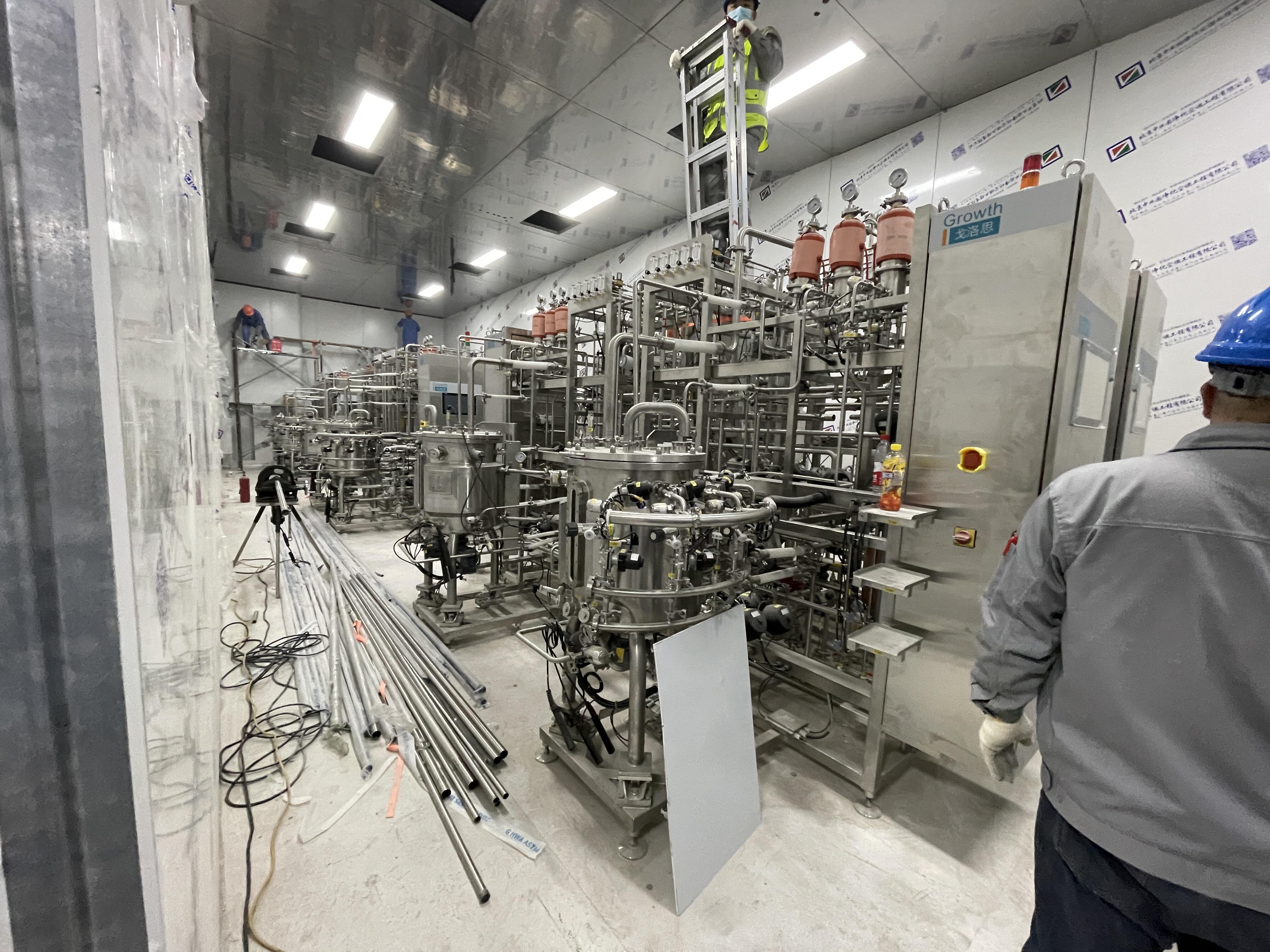
There are downstream effects of not managing optimal pH levels in cell culture bioreactor processes.
Effect on product titer, degree of apoptosis and process regularity.
Bioreactors start to exhibit serious failures when pH levels deviate beyond the 7.2 to 7.4 optimal range. If for example, the pH level is not altered and remains less than 6.8 for over 12 hours, yields of products will decrease by about 30%. As a result of such a phenomenon, cells are not able to uptake sufficient amounts of glutamine causing ribosomal stalling during translation. On the contrary, excess acidity is no more desirable, because it is a major contributor to cell death, and in particular, it leads to approximately a 20% increase in apoptosis of CHO cells due to the phenomenon of mitochondrial cytochrome c leakage. In addition, when a bioreactor pH is more than 7.6, many undesirable effects occur such as triggering an endoplasmic reticulum (ER) stress response and activation of the ‘unfolded-protein’ response (UPR) pathway which is one of the worst types of ER responses. In summary, bioreactor pH out of bound conditions leads to increased process variability. Batch records with about 15% variability in final yields can be expected from pH records with over 0.2 units variability from the target. According to ICH Q5A(R2) guidelines, such variability and inconsistency alerts regulatory affairs during FDA validations, given that consistent quality is of utmost importance in the pharmaceutical industry.
Impacts of Changes in pH Levels in Monoclonal Antibodies Quality Attributes and Shifts in Pattern of Glycosylation
Changes in pH levels lead to changes in post-translational modifications of proteins. If the pH of the environment is below 7.0, galactosyltransferase activity will drop by 40% as the activity of protonated histidine residues lead to more high-mannose glycosylation (18%) in monoclonal antibodies which in turn result in less binding to the Fc gamma RIIIa receptors, consequently decreasing antibody-dependent cellular cytotoxicity. The reverse scenario occurs with pH levels greater than 7.5. There is mistargeting of sialyltransferase, resulting in early degradation of sialic acid. The net effect is the under sialylation of products and a faster clearance of the products from circulation post administration. All the quality variations impact the key quality attributes to be monitored closely by manufacturers.
25% reduction in affinity to FcΓRIIIa
3-fold increase in the formation of subvisible particulates and aggregation.
Up to 40% reduction in the serum half-life during the preclinical pharmacokinetic study.
The impact is direct and relevant to clinical efficacy, patient outcome, and regulatory approval pathways, establishing a basis to control pH as a Critical Process Parameter (CPP) under the ICH Q5 and Q8 guidelines.
FAQ
What is the importance of maintaining pH levels in cell culture bioreactors?
For mammalian cell culture to achieve optimum productivity, pH must be maintained between 7.2-7.4. This pH ensures cellular uptake of nutrients, membrane stability, and proper enzymatic reactions.
How does bioreactor pH affect overall production on quality?
The production of a desired biologic will be negatively impacted by an shift in pH and cause variability in the glycosylation, cell viability, and metabolic pathways. The variability ultimately will negatively impact productivity, quality, and the overall outcomes of the process.
What methods are used to control pH in bioreactors?
pH control methods include CO₂ sparging, automated acid/base dosing, and a combination of enhanced impeller design and optimized sensor placement to improve conditions and reduce batch failures.