The Expensive Risks of Bioreactor Contamination
The impact of microbial contamination on biopharmaceutical batch production and rejection
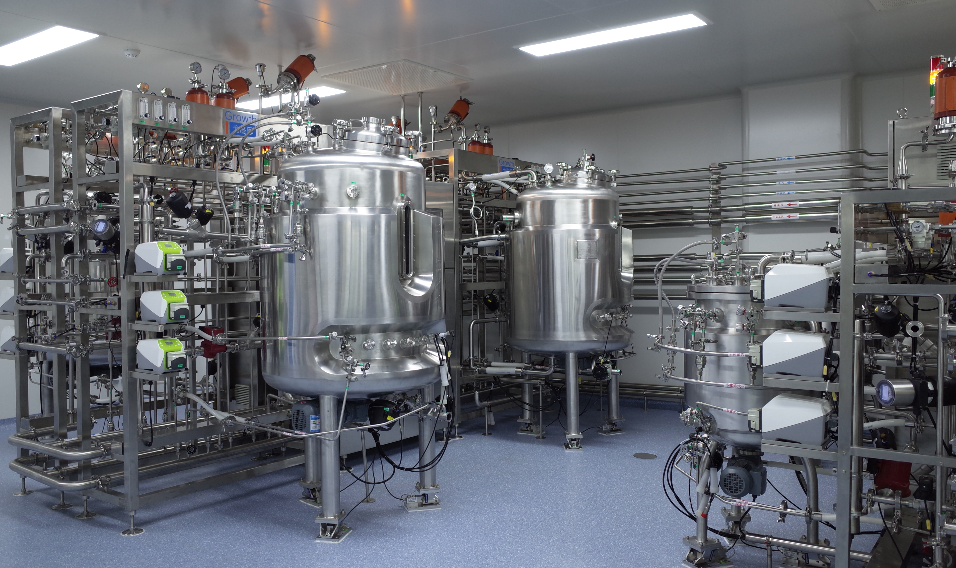
Contamination of bioreactors by microbes is one of the worst threats to biopharmaceutical production. Bacteria and/or fungi will breach a bioreactor's sterile environment in a matter of hours and feast on the nutrients reserved for the production cells and alter the pH and osmolality of the cell culture. The batch must be rejected immediately to avoid the production of therapeutics that are unsafe to release to patients. The production halt results in a cascading loss of around $740k on average (Ponemon Institute, 2023). This is for the loss of cell banks and culture media, the loss of revenue, and the cost for decontamination and regulatory compliance. This results in delayed the release of life saving medicines for cancer, autoimmune disease, and orphan drug indications. Regulatory Agencies require mandatory reporting of contamination per ICH Q5A(R2) and 21 CFR 211, which results in an investigation that can occupy the entire quality and operations team for several months. Therefore, comprehensive further sterilization of bioreactor systems should be considered an operational best practice.
Permanent destruction of mammalian cell cultures and therapeutic proteins. Contamination of mammalian cell cultures causes destruction of cultures critical to complex biologic products like conjugated monoclonal antibodies and fusion proteins. Microbes can, within 24 to 72 hours, cause the collapse of culture viability via the depletion of glucose and essential amino acids. Even more problematic, the bacterial endotoxins and the secreted proteases cause the therapeutic proteins to be degraded. Proteins will be misfolded, altered to improper aggregation states, and modified to improper Fc receptor binding. This damage occurs during purification and becomes permanent. Such batches will, due to the endotoxin levels (<0.1 EU/mL), be rejected due to the purity specifications and fail to meet the FDA/EMA release criteria. Deterioration of master cell banks occurs, sterile assurance needs to be prioritized for the success of the project and to avoid further critical delays to supply chain.
Bioreactor Systems: Protective Sterilization Protocols
Comparison of steam sterilization techniques: gravity versus vacuum, and methods to reduce cold spots
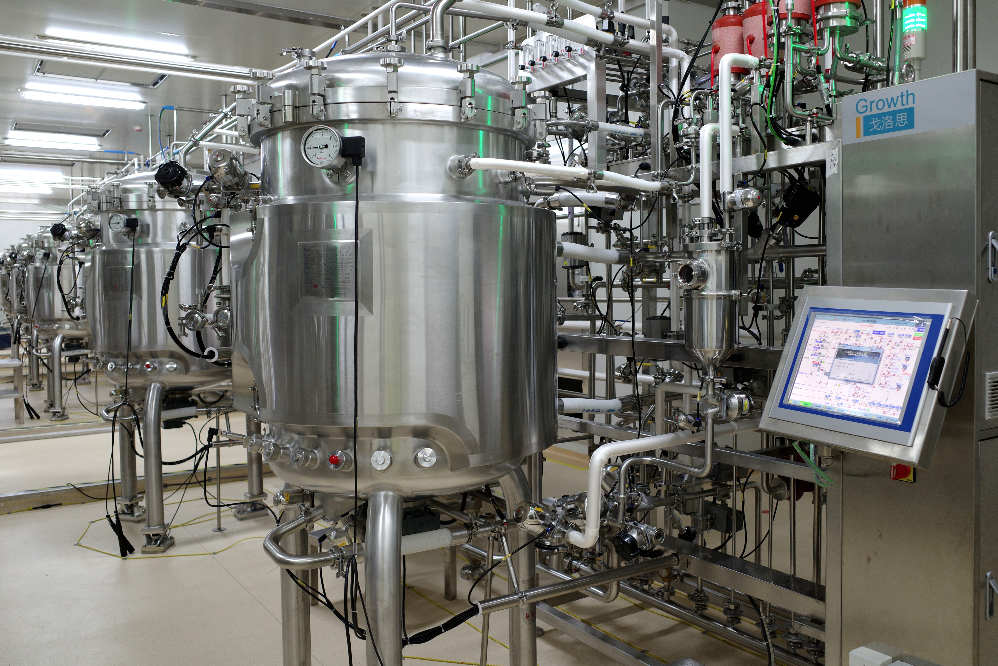
Gravity-driven steam sterilization employs steam buoyancy to replace air that subsequently drives steam to a drainage outlet. However, air can become entrapped in complex structures like impeller shafts, sparge rings, and manifold valve assemblies. In contrast, vacuum-assisted cycles perform an air evacuation step prior to steam injection, which allows steam to penetrate more evenly and significantly mitigates cold spots. Thermal mapping studies (2023) reveal that vacuum cycles reduce cold spots by 92% compared to gravity cycles. Successful methods include the positioning of calibrated thermocouples in the geometric center and the poorly thermostatic zones, the installation of steam traps to eliminate condensate, and the continuous monitor of steam quality (e.g., dryness fraction of \geq 0.95) to reduce or eliminate the presence of non-condensable gas. These methods assuredly reduce bioburden to a Sterility Assurance Level (SAL) of 10⁻⁶ across all wetted surfaces.
Validation of bioreactor sterilization concerning F₀ values, bioindicators, and bio-regulatory dwell time requirements (121°C ≥20 min)
The validation of sterilization refers to the ability to show the lethal equivalence through the F₀ value, which is defined as the cumulative lethality in minutes at 121 °C. The formula uses the time- weighted average of the temperature variations: F₀ = ∫10^((T−121)/10) dt. The regulation (FDA guideline, EU Annex 1) agrees with the requirements of a minimum of 20 min at 121 °C with F₀ ≥15 that ensures microbial kill is sufficient. The use of Geobacillus stearothermophilus spore, Biological Indicator (BI) is the standard test for the efficacy. The BI target F₀ met reports from the PDA Technical Report No. 1 (2022) confirmed a failure rate < 0.1%. The combination of the temperature differential thermocouple mapping and the BI test in the validated cold spot ensures the EU and U.S. regulations concerning sterility assurance are met, and the validation of the process is consistent and rigorous based on ICH Q5A and Q5D.
GMP Compliance and Ceaseless Sterility Assurance in Bioreactor Activities
Changing FDA/EMA Directives: Continuous EM and Pressure Cascade Control
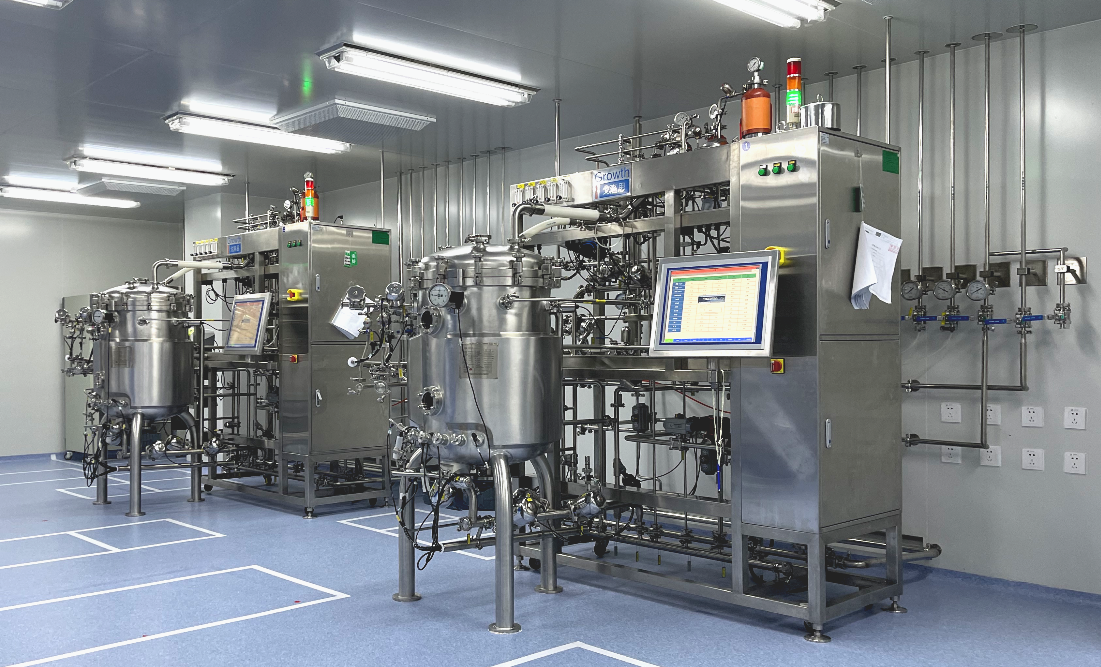
Recent standards are particularly concerned with continuous data-driven sterility assurance. The FDA draft guidance (2023) and revised EU Annex 1 prescriptively require continuous real-time environmental monitoring (EM) during bioreactor activity and automated viable particulate counting in ISO Class 5 adjacent areas during bioreactor activity on open access ports, sampling lines and transfer ports. The data must be trended with action & alert limits scientifically justified. Pressure cascade control becomes equally important. Providing documented evidence to show positive airflow control from clean areas (ISO 5) to dirty areas (ISO 7/8) should be done to keep airborne contamination out during intervention activities.
Facilities are expected to combine both controls into a single validated Contamination Control Strategy (CCS), which integrates these controls with root cause investigation and change control. This change reflects a global trend in regulation which emphasizes proactive vs. reactive testing.
The purpose of this document is to incorporate Membrane Filtration Testing and Bioburden Trending into the Bioreactor Release Workflows.
Releases of pre-use bioreactors are now extended beyond visual checks and pressure hold tests to include membrane filtration sterility testing of process media. This is especially the case for non-sterile bulk solutions added post-sterilization. At the same time, bioburden trending is used to assess the microbial load across multiple batches to identify minor changes in raw material quality and/or the cleanliness of the facility. Implementation of best practices typically include:
- Direct inoculation of representative media sample into nutrient broth cultures
- Use of Statistical Process Control (SPC) charts to capture and record excursions to avoid them
- Automated data capture and audit trail generation within the validated QMS
This risk-based approach provides earlier assurance of sterility and decreases the need for end-product testing. This approach also allows for rapid disposition of batches. When combined with real-time EM, pressure cascading, and validated sterilization, this approach provides a cohesive science-based framework to ensure the safety of therapeutic proteins and to meet contemporaneous GMP requirements.
FAQ
What are the financial implications of bioreactor contamination?
The financial impact of bioreactor contamination is a loss of approximately $740,000 per incident due to materials, decontamination, and regulatory costs.
How do microorganisms affect mammalian cell cultures?
Microorganisms can damage mammalian cell cultures by using the precious nutrients, producing harmful toxins, and compromising the integrity of proteins, which can result in batch rejection.
What steam sterilization procedures are in use for bioreactor systems?
Using steam sterilization procedures such as gravity displacement and vacuum-assisted methods can ensure that steam penetrates effectively and to avoid air pockets.
What are the requirements for validating bioreactor sterilization?
A sterility validation compliant with Regulatory Standards must incorporate Biological Indicators and F₀ calculations with a minimum dwell time of 20 minutes at 121 °C.