
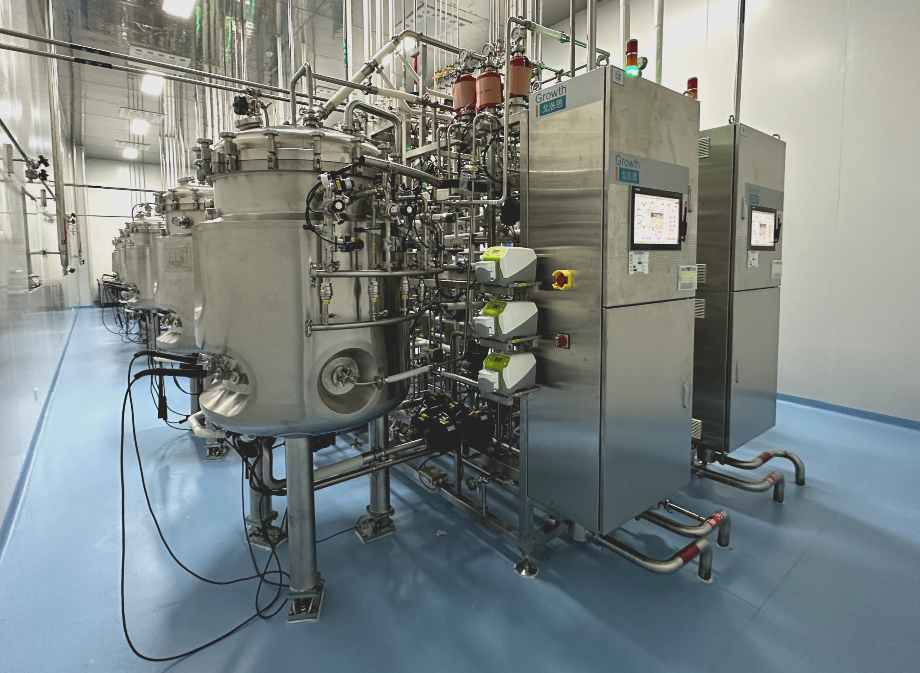
What Is a Cultured Meat Bioreactor and How Does It Work? New cultured meat bioreactors function as highly regulated environments in which cells of a selected animal species are cultivated into actual edible tissue. The process begins when scientists isolate stem cells, usually satellite cells, from a slaughter-free biopsy (a sample of tissue). Once isolated, these cells are expanded in vitro and cryopreserved (banked) so they can be accessed in the future as needed. After the cells are processed, they are placed in bioreactors, which are specially designed to mimic the physiological and nutritional environment of the animal so that the cells can undergo massive proliferation. These environments provide the necessary raw materials (e.g., amino acids, glucose, various vitamins, and dissolved oxygen) and the relevant growth factors (e.g., dissolved oxygen) required for the process of cell growth. The resulting massive cell proliferation can be equated to the generation of edible tissue, as that tissue can be either freely floating within the bioreactor or attached to small cell carriers or tissue scaffolds that have been incorporated into the bioreactor.
Following this phase of gross cell proliferation, the tissue is subjected to a controlled series of environmental and biochemical factors that induce diverse forms of tissue formation, i.e., cellular differentiation and tissue histogenesis.
Key Requirements for Bioreactors for Cultured Meat Production
Bioreactors for cultured meat require addressing numerous challenges simultaneously. Total system sterility must be maintained, with the added difficulty of providing cells specific nutrients and removing waste byproducts such as lactate and ammonia. Most systems utilize a fully closed system design, which fully prevents any contact with outside air, allowing for complete sterility and the use of automated perfusion systems. These systems address the challenges of maintaining sufficient and continuous flow of oxygen, nutrients, and the removal of waste products. Bioreactors also have to replicate the natural processes of living tissue. This means applying consistent shear stress, dynamic and static creates tension, and guides the cellular self-organization and growth of extracellular matrix. Achieving the right balance of the various physical and chemical conditions is required for the growth of complex and functional meat tissue.
Bioreactors must also be able to address sterility, nutrient delivery, and mechanical stimulation.
The Food and Drug Administration (FDA) regulates all bioreactors intended for production and processing of food products. This means to maintain sterility, bioreactors must be SIP sterilized, and be single-use, or Clean-in-place (CIP) compatible to ensure food grade standards.
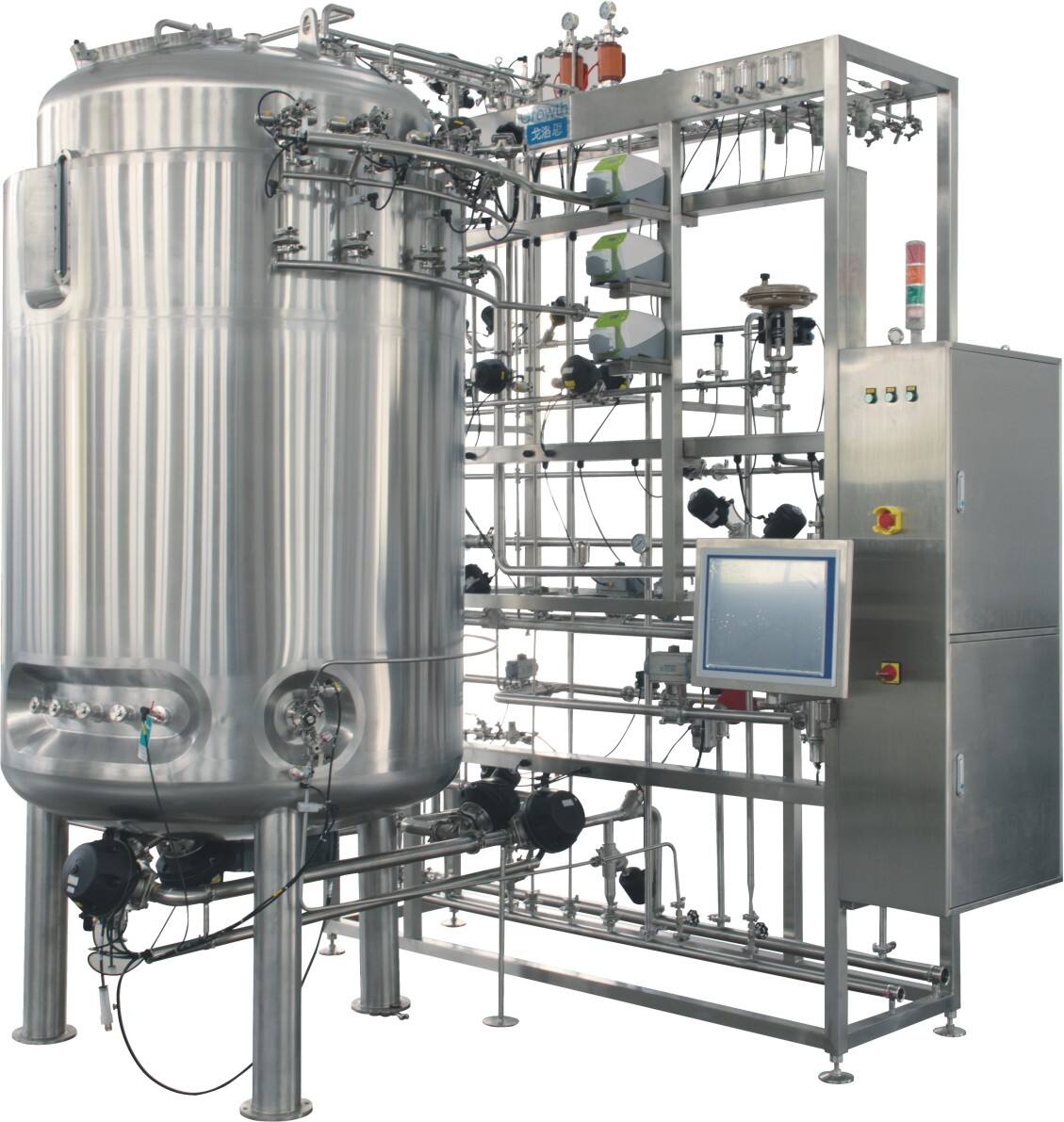
Maintaining consistent and dynamic nutrient concentrations is essential for prolonged perfusion cultures. This is because, when prolonged, batch or fed-batch systems become toxic due to the unintentional and consistent buildup of byproducts and failure to provide the maintained metabolite concentrations required.
The use of mechanical stimulation (but also aids) is required to improve myotube formation. This is achieved by tunable agitation, Membrane flexing, or substrate stretching, which in turn improves the expression of contractile proteins, directly improving the overall texture and nutritional fidelity of the cultured product.
The Trade-offs Between Scalability and Cell Viability
As bioreactor size increases, it poses new challenges for cell culture specialists. Larger tanks allow for a greater reduction in cost per gram of product, which is good from a business perspective; however, higher volume bioreactors will have greater mechanical forces which may jeopardize the integrity of muscle and fat cells as they are growing, and damage them. Most companies focus on scaling to over 50,000 liters to be competitive with the price of cultured meat in the market; however, increases in tank size, without proper considerations, cell survivability can fall below 80%, which severely and rapidly worsens the economics of production. Fortunately, the ability to use computational fluid dynamics is assisting in overcoming this issue. These models allow engineers to optimize variables and settings such as the design of impellers, location of air injectors, and fluid flow patterns to be used in the bioreactor. This technology allows manufacturers to economically grow their business without compromising the integrity of the cells and the differentiation of the stem cells to tissue.
Choosing suitable bioreactors for cultured meat is crucial for their scalability and for cell viability, textural fidelity, and cost of production. Each of the three most common engineered designs have distinct focus areas.
Stirred-tank bioreactors have become the most widely used systems for the first commercial meat operations and pilot-scale due to their reliability and familiarity to biopharma researchers. They are also easy to scale. The impeller in the bioreactor does help to evenly distribute nutrients and gas across the culture medium. However, these impellers also create shear forces that damage the delicate muscle and fat cells that are being grown. Still, a survey conducted in 2023 by the Good Food Institute shows that 72% of cultivated meat startups are still using stirred-tank bioreactors. Companies are eager to get products to market, and typically will focus on meeting minimum regulatory requirements and will not considering optimal conditions for cell growth. Most companies do not want to wait for more advanced technologies to become available, even if it means being less competitive.
Hollow-fiber bioreactors use semi-permeable membranes that mimic a capillary network, allowing for nutrient diffusion through the fibers. Cells attach to the outside of the fibers, and due to the low shear environments, this promotes very high cell densities and even allows for cultures to be maintained for extended periods. However, harvesting cells is still a technical challenge, and the limited oxygen transfer in this configuration restricts the practical scale to ~500 liters.
The cells can also be cultivated on scaffold systems where cells grow on 3D edible scaffolds made from cell-free plant tissues or food-grade gels. Depending on their composition, these gels can provide the cells with the necessary cues for the orderly construction of a tissue. The resulting tissue resembles what we typically consume in terms of texture and mouthfeel. However, a number of issues remain. For example, scaffolds are usually expensive to manufacture and they degrade at undesirable, variable rates. Additionally, manufacturers face difficulties in smoothly integrating scaffold systems into their production processes at scale.
Bioreactor Type Strengths Key Limitations
Stirred-Tank High scalability, good mixing, familiar regulations Shear-induced cell damage, simple structure
Hollow-Fiber Low-shear, low cell damage, good medium perfusion _difficult harvesting, O2 transfer limitations, difficult scalability_
Scaffold-Based Good control over textures, biomimetic, functionally matured _high cost materials, complex processes, bottleneck scalability_
No one system fits all. Stirred tank reactors have the advantage of having the largest processing volume, but if we want to make sure things stay viable over long periods, they need to be dialed in. Sometimes this means the aggressive stir system has to be modified, or we have to use protective additives or something. Investors usually want to make sure we use the hollow fiber systems in the right cases, as those are usually the more expensive systems. Frankaby, because of the cost and the automation limitations, scaffold systems look more and more like they will be the future for whole cut products, and other systems just don’t cut it. Spacings or sterility, efficient control over the whole system, and plug flow are some of the challenges we still need to solve for food grade systems to be economically viable.
Barriers to Cultured Meat Bioreactor Technology: The Road to Innovation
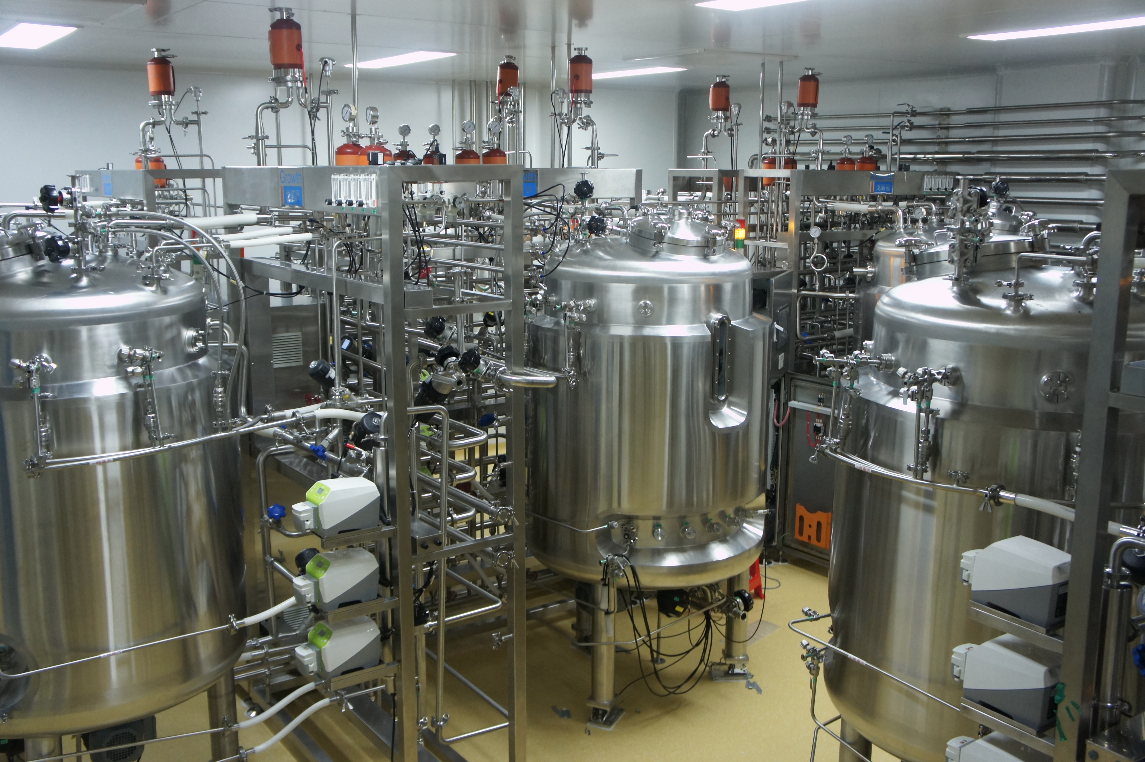
Getting cultured meat bioreactors to mass production have barriers like cost, process control, and the bioreactors' ability to replicate the complexity of natural biology. Most of companies' operational costs go to the culture media, which require expensive ingredients like recombinant growth factors and various substitutes for albumin. On top of that, running the facility consumes a lot of energy to maintain the appropriate temperature, precisely mix gases, and remain sterile, which results in a significant loss of profit. The need to maintain consistent and uniform growth of cells throughout the batch at large scales leads to the desirable condition that current technology is not available for large scales.
Innovations in Process Control
Greater improvements to cost and energy efficiency will advance the industry, and laboratory efforts to reduce the cost of culture media, specifically serum-free extracts, have yielded promising results. Engineers have successfully integrated insulation materials and heat exchangers to improve bioreactor thermodynamic and hydraulic performance, and pilot plants have reported energy savings of 30 to 40 percent. When modular bioreactors are coupled with solar panels and wind turbines, companies obtain energy and maintain strict operational sterility and good yields. This practice is becoming more common.
Integration with Automation and Real-Time Monitoring
With the aid of sensors, bioreactors can monitor and record the pH level and the amount of dissolved oxygen, glucose, lactate, and other important metabolites in real time. The system uses machine learning to predict what can go wrong and implement preventative measures. Profusion controllers automatically change their flow rates and even the media composition based on what the cells need at the moment. This can reduce the amount of operator on-site intervention by up to two thirds in comparison to older systems. The smart feedback system increases the consistency of each production run, and of the production system as a whole, by moving research technology to production systems faster. It also tightens the controls in order to obtain easier and stronger regulatory approvals.
FAQ Section
What is a cultured meat bioreactor?
What are the types of bioreactors used in cultured meat production?
What challenges does the cultured meat industry face?
How does automation benefit cultured meat bioreactors?