
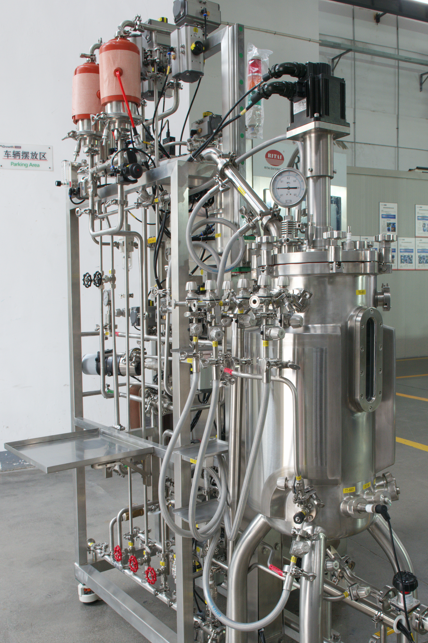
Core Physiological Differences Between Enzyme- and Antibiotic- Producing Microorganisms
Sensitivity to Oxygen and pH among Actinomycetes and Bacillus
Antibiotic-producing actinomycetes (e.g., Streptomyces) and enzyme-generating Bacillus strains demonstrate notable differences in environmental tolerance. Actinomycetes need dissolved oxygen (DO) levels to be above 30% and pH near neutrality (7.0 to 7.5) to provide the best synthesis of antibiotics like streptomycin. Actinomycetes have filamentous morphologies and thus have poor oxygen diffusion of the filament. In contrast, Bacillus strains tend to have DO levels between 20-30% and alkaline shifts (pH 6.5-8.0) during the production of proteases. Bacillus strains exhibit rod morphologies, leading to a high efficiency of oxygen uptake. These physiological constraints provide information to the designers of microbial fermenters in reference to the design of the aeration system and pH-stat controllers.
Microorganism Type Oxygen Requirement Optimal pH Range Product
Actinomycetes > 30% DO saturation 7.0-7.5 Penicillin, Streptomycin
Bacillus 20-30% DO saturation 6.5-8.0 Proteases, Amylases
Growth- and Non-Growth- Associated Product Formation Dynamics
Enzyme production (recombinant proteases) is strongly associated with growth and reaches a peak during the exponential phase, when there is a strong uptake of nutrients, and consequently, a stronger metabollic output. The majority (over 70%) of readily available industrial enzymes are derived from Bacillus strains during the exponential phase of growth. The production of antibiotics, however, is carried out during the stationary phase of the cycle. The stationary phase of the cycle is characterized by non-growth associated, secondary metabolism. In this phase, filamentous bacteria (e.g., actinom
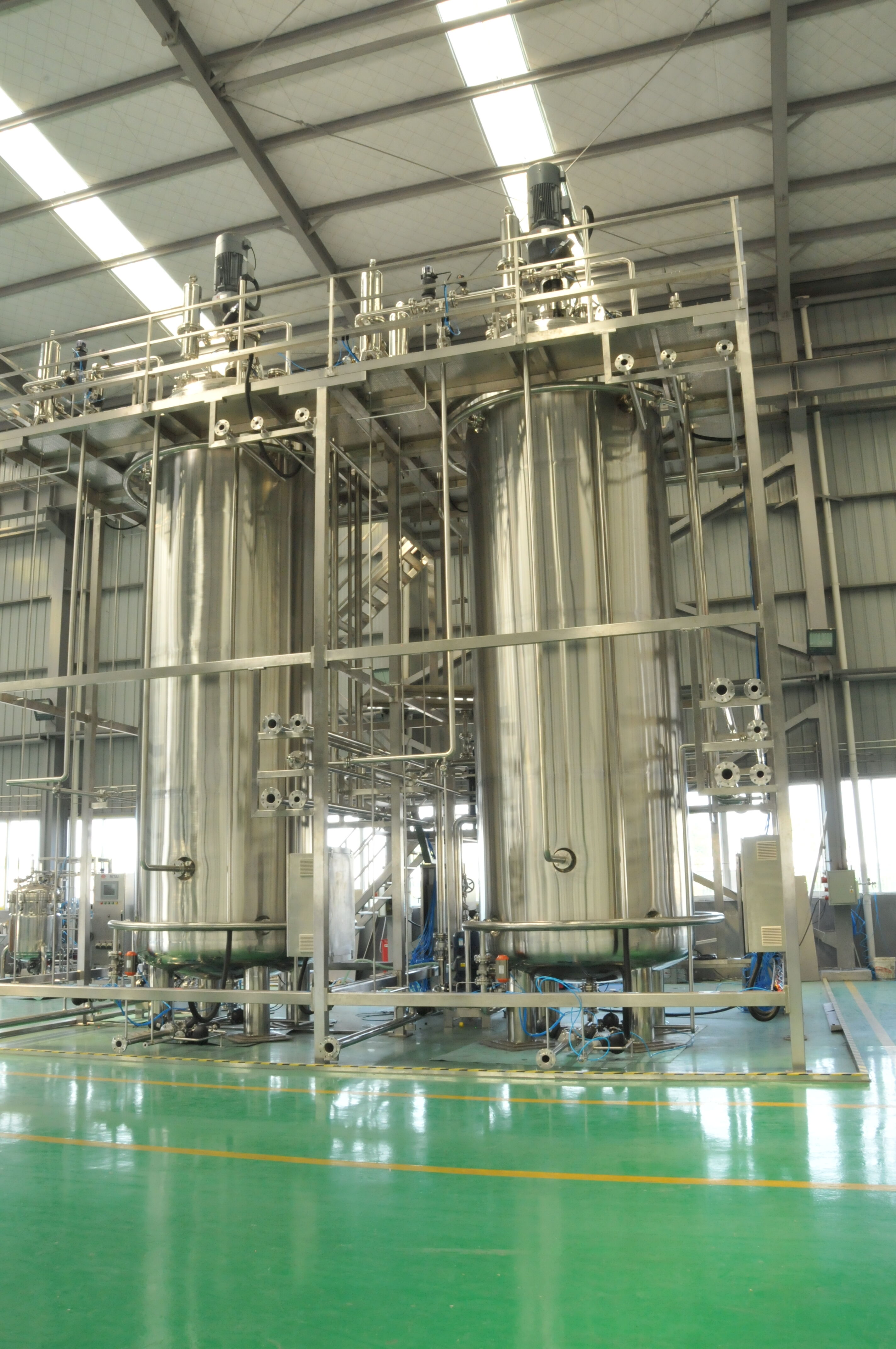
Design Features of Microbial Fermenters to Maximize Antibiotics output
Design of Fermenters to Produce Penicillin G and Streptomycin
To synthesize antibiotics, the environmental process of fermenting actinomycetes must be highly demanding. For the G synthesis of penicillin, dissolved oxygen is needed to be more than 30% saturation, whereas for streptomycin, the dissolved oxygen must be controlled to be less than 20%, which may cause yield reduction of 40 - 60%. (BioProcessing Journal, 2023). The process of penicillin metabolism ceases at 6.5 up to 7.0. Beyond 7.8 to 8.2, the process of streptomycin ceases as well. The modern fermenters tackle the challenge of maintaining proper oxygen levels with the paired use of turbine impellers and sparging systems. The fermenters use integrated automated probes which can self-correct by adding CO2 or base to counter the pH from crashing as a result of the build up of organic acid.
Extensions of Secondary Metabolism by the Shift of the Batch Mode
Formation of antibiotics occur at the terminal stage of secondary metabolism in the stationary phase. Penicillin and G synthesis occur when glucose is maintained at less than 0.5 g/L to prevent the interruption of the synthesis of the biosynthetic pathways. The production phase is extended by more than 40 - 60 hours while the yield increases by as much as 50% compared to traditional batch. The byproducts of the fermentation process accumulate which may be detrimental to the operation. The synthesis of the antibiotics is the primary focus, and cell energy is directed toward synthesis.
Microbial Fermenter Configuration Best Practices for Therapeutic Enzyme Manufacturing
Low-Shear Impeller Design and pH-Stat Strategies for Maintaining Recombinant Protease Stability
When making therapeutic enzymes such as recombinant proteases specialized fermenter configurations are necessary to avoid structural degradation. Low-shear impellers designs such as pitched-blade and hydrofoil are good at ensuring that proteins are not denatured and helps to avoid a loss of proteases activity. A pH-stat control system which maintains the pH range at 6.5-7.5 for proteases by automatically adjusting the amounts of acid and base, is a necessary addition to the system. When the pH is poorly controlled, the conformational pH changes, and protease activity is strongly discouraged, potentially even 50% during a single cycle. If paired, these two systems greatly increase the yield and ensure the product complies with the given regulations for the industry.
Choosing the Right Microbial Fermenter Type for a Given Scale, Legal Framework, and Outcome
The selection of the right microbial fermenter is a three-variable alignment of scale of production, legal constraints, and characteristics of the required output. At the lowest production levels, research and pilot projects utilize small, modular systems, and at the highest levels, research on the industrial production of antibiotics utilize large stirred-tank reactors with automatic sterilization to meet the many requirements of modern pharmaceuticals. At the highest levels of output, production of high-value therapeutic enzymes and bulk producible metabolites are contrasted by the use of low-shear impellers and high-oxygen transfer Rushton turbines respectively. Data supports that 34% of the cases of unsuccessful tech-transfer from research projects to production are the result of poor scale-tech matching that leads to failure of fermentation projects. It is safe to say that successful implementation greatly depends on the compliance, yield, and operational efficiency designed in a system during the early stages.
FAQ
What environmental factors affect antibiotic and enzyme production?
For biosynthesis of antibiotics, actinomycetes rely on adequate dissolved oxygen (>30% saturation) and a neutral pH of 7.0–7.5. Enzyme-producing Bacillus strains prefer moderate dissolved oxygen levels of 20–30% and an alkaline pH of 6.5–8.0.
What is the difference between growth-associated and non-growth-associated productions?
Growth-associated production is the production of microbial enzymes, which occurs during the exponential phase, while the production of antibiotics which occurs during the stationary phase is an example of a non-growth-associated production.
What fermenter configurations result in high-yield production of antibiotics?
Stirred-tank fermenters equipped with turbine impellers (coupled with good control of DO/pH) are your best choice for antibiotics like penicillin and streptomycin. Offering the best increases in yield are fed-batch strategies extending the stationary production phase.
How is fermenter designed for the production of therapeutic enzymes?
In the production of therapeutic enzymes, low shear impellers are used to avoid the denaturation of proteins. Also, for maintaining the stability of the enzyme within the pH range of 6.5 to 7.5, an advanced pH-stat system is used.
Why is the choice of fermenter for the microbial process important?
With the selection of fermenters, there is a strong association with the production scale, the logical consideration of the output of the process, and the production of marketed steps with regulatory limitations.