
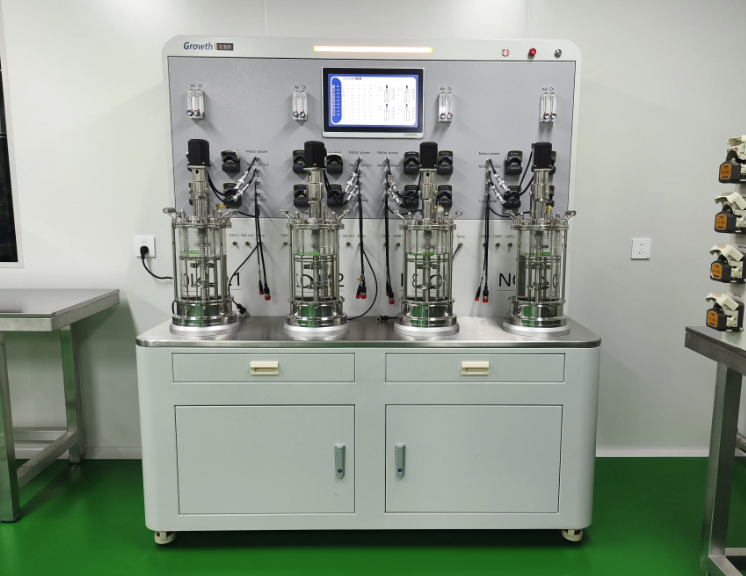
Cellular bioreactor design courses adapted for shear sensitivity and cell type
Low-shear bioreactors for mammalian and stem cells
Mammalian stem cells and the like are sensitive to bioreactors that have high hydrodynamic shear and aggressive mixing. The fate is 40% loss of cell viability to membrane rupture from shear induced high cell concentrations. To avoid the loss of viability, swellable, marine impellers are designed to create axial flow patterns as they provide random circumferential motion of the flow. The systems with segmented, perfused impellers designed to replace the Rushton are on stem cell expansion for the 60% reduction of shear. During the up-scaling, high shear tolerance validation is critical and should be done with the precise location of the most stressed components to avoid high shear and harmful stress distribution in the vessel.
Microbial fermentation
Because the oxygen transfer rate required in the chamber is >150, robust turbulent mixing is required. Unlike shear sensitive cultures, bacterial and yeast cultures are shear tolerant. Droplets generated by spargers that create a high energy column of water improve the oxygen transfer rate by 35%. If the power input is increased to the high energy column, the temperature will exceed metatheoretic levels; therefore, a dense metabolic sieve of high energy droplets should be used.
Fish Tail Disc vs Rushton turbine
Fish Tail Discs are almost laminar and provide shear rates of less than 1 Pa, which is ideal for mammalian and stem cell systems, while Rushton turbines provide maximum oxygen dissolution keeping with the high shear system for microorganisms contradictorily to the system of low shear.
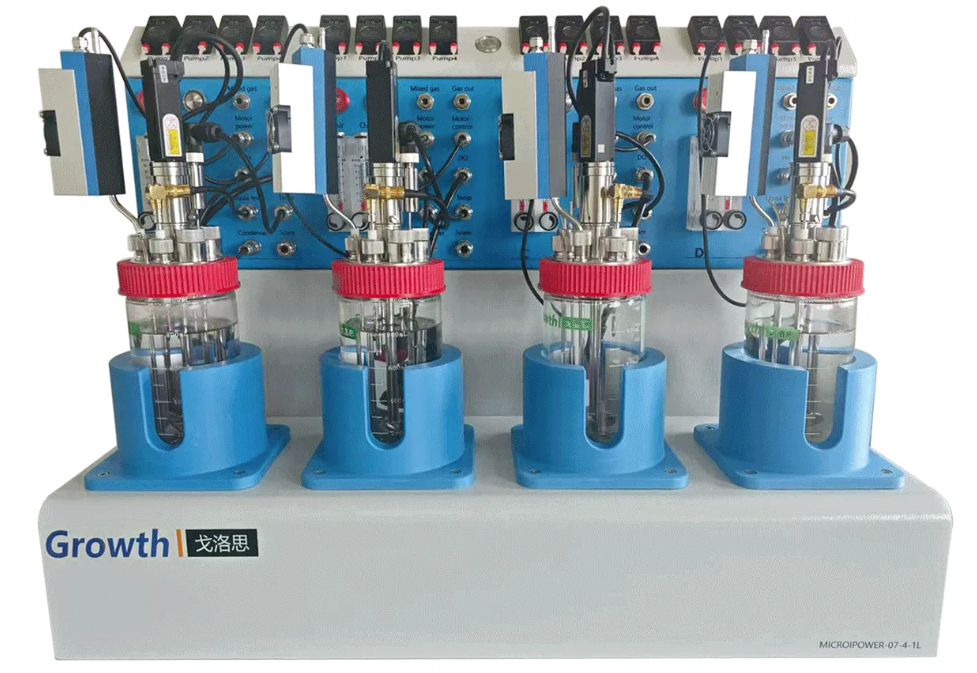
In hybrid applications like CAR-T cell production, pitched-blade impellers provide near-perfect mixing (85% efficiency) at shear levels that are acceptable for sensitive suspension cultures. 3L scale-down models predict performance of manufacturing-scale bioreactors, therefore, transformers bioreactors contribute to process development with certainty.
When choosing a bioreactor type for a given scale and application, consider the applicable regulations:
Compliant, Scalable, Stirred-Tank Bioreactors for mAb and Vaccine Production
Stirred-tank bioreactors (STRs) are the preferred option for large scale biologics manufacturing, being well adapted to regulations and proven for scalability. Their modular design allows for production scale up while maintaining optimal levels for dissolved oxygen, pH, and nutrients for monoclonal antibody (mAb) and vaccine production under Good Manufacturing Practice (GMP). An added benefit of STRs are comparable high cell densities in suspension cultures (greater than 20 million cells/mL), and the uniform mixing achieved through STRs impeller driven process. STRs mechanical complex nature requires STRs systems to be validated, folding hydrogen aeration and regulation, in order to be compliance with FDA and EMA regulations.
Choosing the Best Bioreactor Alternative: Wave, Airlift, and Packed-Bed for Specialized Cultures
Wave, Airlift, and Packed-Bed bioreactors deliver specific benefits in specialized applications:
Wave-mixed bags provide a rocking motion for low-shear suspension, ideal for seed train expansion, though design limitations exist with scalability being limited to ~500L.
Airlift bioreactors are energy efficient for high-OTR microbial fermentations, but scale-up limitations exist due to design constraints.
Packed-bed bioreactors are systems ultra-high cell densities, due to various supported matrix culturing systems, though due to complex harvesting, operational costs and processing difficulties are elevated.
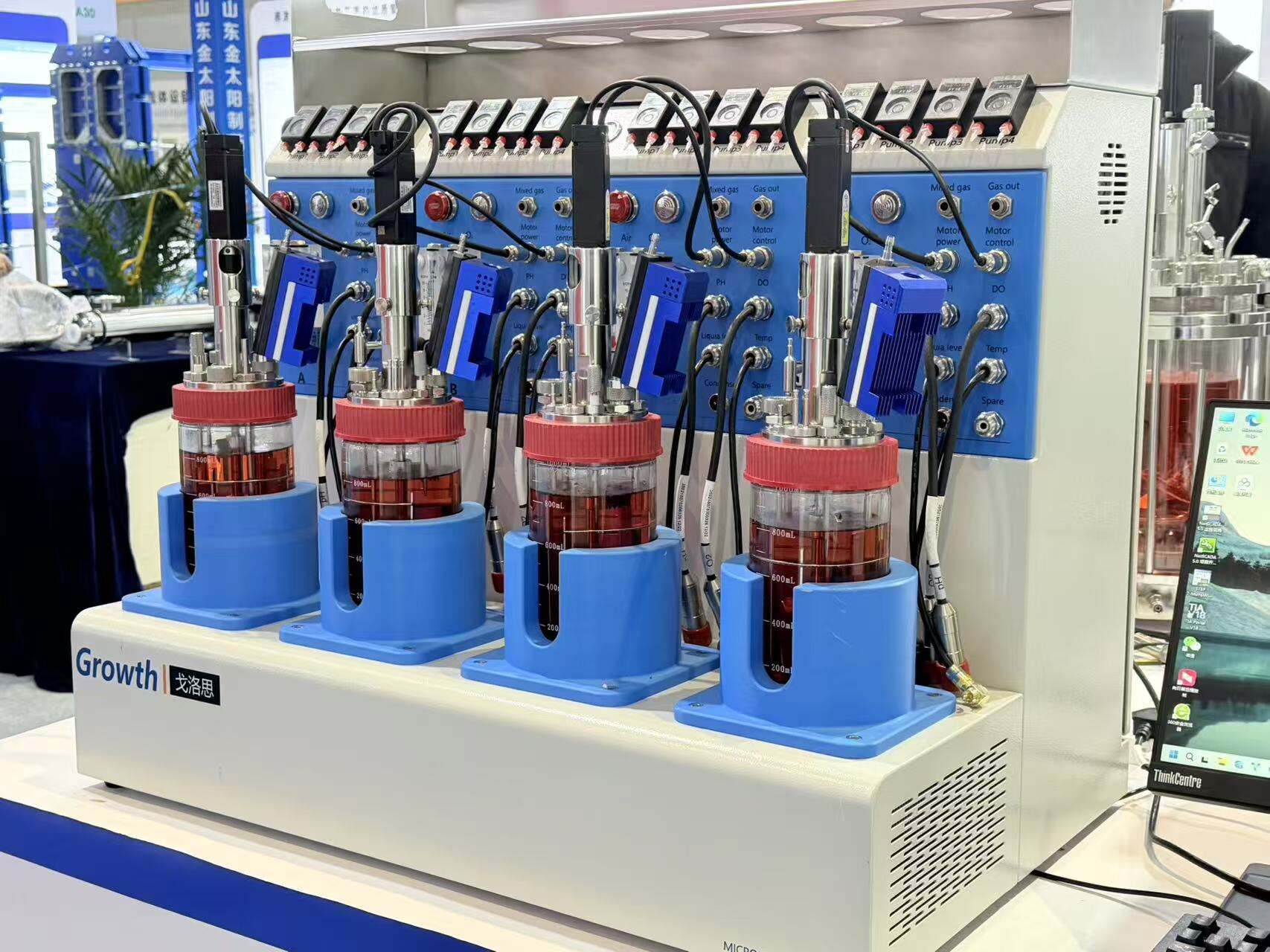
Prioritize Critical Process Parameters Over Automation Features
Dissolved Oxygen, pH, Temperature, and Nutrient Control as Essential Bioreactor Selection Criteria
Bioreactor selection must prioritize controlling Critical Process Parameters (CPPs) like dissolved oxygen (DO), pH, temperature, and nutrient feed over features that are sophisticated in automation. Keeping DO in narrow physiological extremes aids aerobic cultures, as well as the growth and viability of people, in the preservation and avoidance of their respective interests. To ensure the conformation and fidelity of the apoptosis or metabolic shutdown, protease pH must remain within the averages. The control of temperature and the control of pH must remain in strict control. The real-time nutrient control must remain within the confines of the inhibitory byproduct accumulation. The automation of these processes does not impede operational efficiency as much as the control and balance of the four CPPs. With the sophisticated control in balance, the operating loss per batch incident is at a cost of $500k-$2M (BioPlan Associates 2023). Before considering automation, priority macrosensors must include optical dissolved oxygen macrosensors over their polarographic counterparts in the absence of control.
What is the importance of matching a bioreactor design to cell type and shear sensitivity?
Matching the design of a bioreactor to cell type and shear sensitivity is critical to optimizing growth and preventing cells from dying due to high shear.
How do bioreactors address high-oxygen demands in microbial fermentation?
Bioreactors, like Rushton turbines, increase oxygen transfer towards microbial cells by utilizing an internal re-circulation pump.
What are the advantages and disadvantages of Hydrofoil Disc and Rushton Turbines?
Hydrofoil discs offer less shear flow, and Rushton turbine discs promote the best oxygen dissolve, suitable for microbial systems.
Why are stirred-tank bioreactors the better option for GMP compliant, scalable production?
Because they are easily scalable, allow for tight control of parameters, and are compliant with FDA and EMA regulations.
Which factors are most important for the selection of a bioreactor?
The main factors that should be focused on to the exclusion of automation are the controlled parameters for the maintainance of the bioreactor including but not limited to; the dissolved oxygen, pH, temperature, and the nutrient feed.