
Performance Parity: Are Single-Use Cell Culture Bioreactors Closing the Gap with Stainless Steel on Critical Process Metrics?
kLa, Mixing Uniformity, and Real-Time Process Control on Commercial Scale
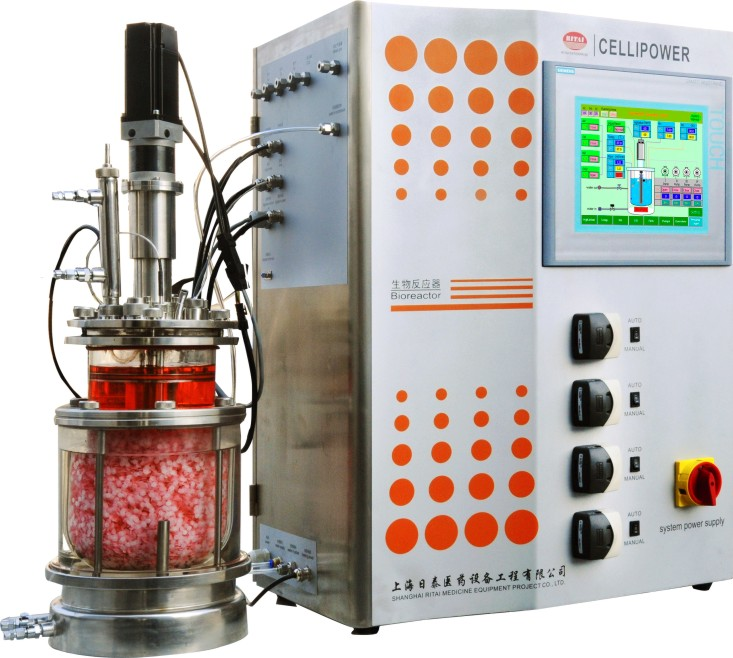
Providing oxygen is essential for cell viability. The volumetric oxygen transfer coefficient (kLa) gives an equivalent. Stainless steel bioreactors hold a kLa of greater than 0.02 s⁻¹ at a commercial scale on 20,000L with engineered impeller-sparger systems. Single-use bioreactors have the volumetric control to 2000L. Single-use bioreactors have collapsible bags and after a certain point, the mechanical agitation collapses. This causes an oxygen gradient breaching the upper zone of the bioreactor to greater than 15%. Some other improvements in control and stability in the crafting of the bioreactor, the use of directed segment baffles and helical impellers, have achieved a steady state deviation of less than 10%. Real-time control matches the level of control of the fixed bioreactors with the integrated control of pH and control of the dissolved oxygen at control intervals of 2 seconds. For ultra-high cell density cultures of greater than 50 million cells/mL, control from stainless steel bioreactors with variable control of dissolved oxygen remains superior.
Risks Regarding Material Safety and Cell Culture Bioreactor Compatibility: Leachables and Extractables
Bioreactor components made from plastic can lead to chemical migration within the media. Both leachables and extractables can migrate and accumulate to cytotoxic levels. An example of this is bis(2-ethylhexyl) phthalate (DEHP). It is a plasticizer, and at a concentration of just 0.5 ppm, DEHP can lead to the dysfunction of mitochondria. There exists a similar situation with leachables and extractables. The International Council for Harmonisation (ICH) Q5A(R2) and United States Pharmacopeia (USP) <665> have set a limit of less than or equal to one microgram per day for exposure to known carcinogens. Clinically, leachables and extractables lead to a drift of pH or inhibition of growth for around 12% of the early adoption case studies. Fewer than 36% of the generation 1 designs of multi-layer films that include an ethylene-vinyl alcohol (EVOH) barrier coating lead to less than 78% of extractable levels. Recently, suppliers have begun introducing aging tests to evaluate the long-term integrity of materials, using accelerated aging of 18 months at most. Comprehensive studies undertaken to evaluate the extent of leachables and extractables do lengthen the development of processes by 8-12 weeks, which is not an insignificant amount for clinical-stage programs.
Total Cost of Ownership: Trade-offs for Cell Culture Bioreactors in Capital Efficiency vs. Operations
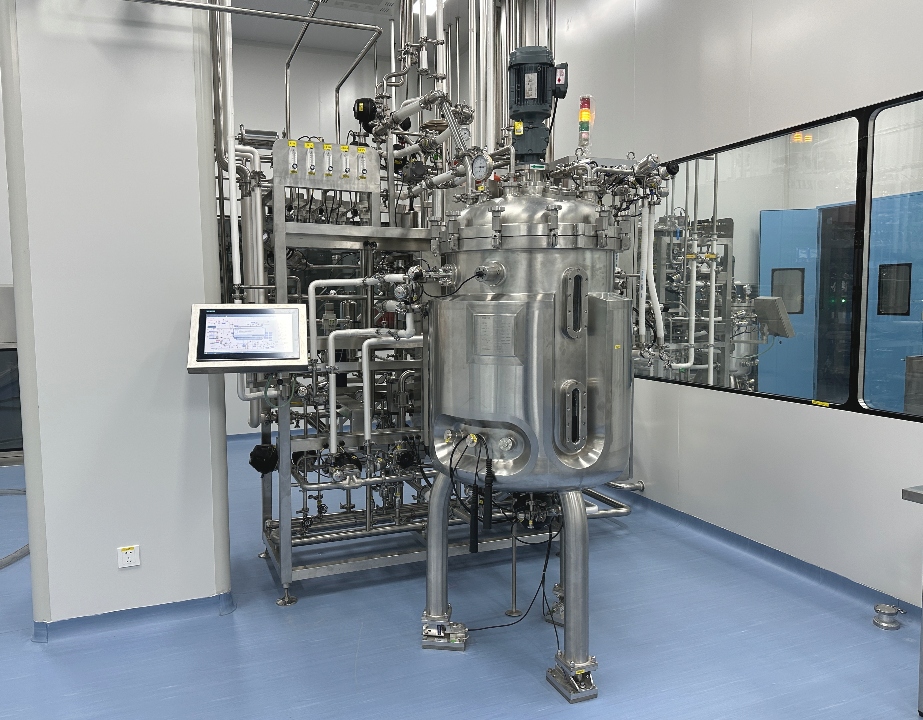
When assessing operational savings and upfront savings, an accurate evaluation of the costs of cell culture bioreactors can be made. This is most evident when considering the costs associated with implementing single-use bioreactors vs. batch bioreactors. The transactional costs associated with the non-disposable stainless steel systems can exceed $10M; the transactional costs for the non-disposable single-use systems incur significantly less. The long-term costs associated with the operational systems that comprise the single-use batch systems are determined by the same operational factors.
Crossover Analysis: Batch Frequency, Scale, and Product Type Determine Competitive Advantage
Single-use bioreactors become most cost-efficient where flexibility is prioritized. For therapies scaling to ≤2,000 L with ≤12 batches/year, disposables reduce the total cost of ownership (TCO) by 18–34% by removing the need for validation of cleaning in place (CIP) and validation of sterilization in place (SIP) cycles, as well as decreased downtime (BioProcess International 2023). High-value products, such as monoclonal antibodies, also obtain better cost savings from quick changeovers and market campaign delays that might be associated with the manufacturing process become negligible.
Hidden Expenses: Validation, Energy-Intensive CIP/SIP, Handling of Waste, and the Complexity of Sterilizing
Single-use systems eliminate the need for steam sterilization. However, they create a few unique cost categories.
Validation: Recurring leachables/extractables testing costs $500k–$740k per platform (Ponemon Institute, 2023)
Waste logistics: The cost of disposal of the plastic used in the facility is $120–$200 per m³, almost 2.5 times the cost of $80/m³ for treated effluent wastewater.
Energy: Each stainless steel vessel is used for a CIP/SIP and uses 3.2 megawatt-hours per month, enough to power 300 homes in the U.S.
These factors displace the breakeven point considerably. For manufacturing firms that have persistently large and stable mass production, they tend to remain with stainless steel systems, even though it comes with a higher capital/initial investment, as it provides a combination of durability and predictable cost recoverables over more than 15 years.
Operational Agility and Sustainability: The Strategic Value of Single-Use Cell Culture Bioreactors
Rapid Changeover, Clinical Supply Responsiveness, and Reduced Cross-Contamination Risk
Single-use bioreactors increase operational efficiency by removing the days-waiting CIP validation and SIP cycles, resulting in quick changeover times within hours. That same agility is needed in clinical demand supply chains. Facilities in the study experienced the added efficiency of being able to initiate campaigns 30–50% faster, resulting in the production of IND-enabling materials and the readiness of Phase I and II trials in less time. Contamination-related batch losses in the bioreactor system were 72% lower than in spreading most bioreactor systems with complex CIP/SIP protocols. This bioreactor system is a pre-sterilized, closed, and shared fluid pathways bioreactor system. The reliability of bioreactors is crucial, particularly in multi-product facilities that handle both viral vectors and mAbs in shared infrastructures.
Environmental Footprint and Supply Chain Resilience: Disposal Logistics and Polymer Dependency
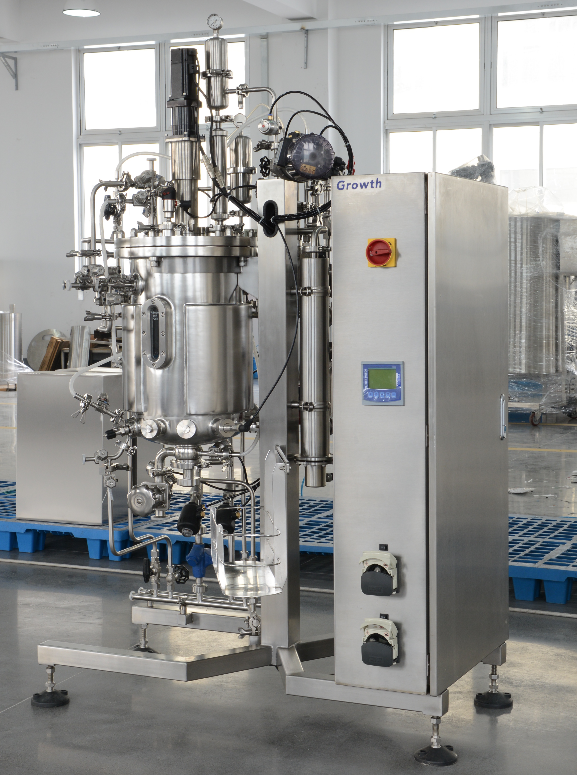
Compared to stainless steel bioreactors, single-use bioreactors reduce the amount of water (≤1,000 L / batch) and the amount of energy use (≤65%) sewn in sobres of the design by eliminating the need for sterilization, but not for sustainability. While biopharma bioreactor polymer waste accounts for only 0.002% of the annual global plastic waste, it still contributes a significant amount of landfill polymers, a considerable amount of municipal solid waste. Some recently used new proposed 'bio' C2H4 polyethylene polymers have optimistically modular bag designs. Sustainability outcomes are a reflection not of what technology is being used, but, rather, of how operators determine outcomes of that technology.
FAQ
What is kLa?
KLa (the volumetric oxygen transfer coefficient) refers to the rate of gas exchange in most solutions in a bioreactor, a process that helps in the maintenance of the viability of cells, especially in the larger stainless steel bioreactor systems.
What are leachables/extractables?
Leachables are cytotoxic substances which diffuse in the cultivated media during routine operation, whereas extractables are cytotoxic substances that are released under abnormal and exaggerated conditions.
What are the operational costs of single-use bioreactors compared to steel bioreactors?
Single-use bioreactors have substantially reduced capital costs and are more cost-efficient than stainless steel bioreactors for small-scale batches and bioreactors that are needed in continuous operation. Nevertheless, single-use bioreactors may involve wastes costs and validation costs.
What are the end-of-life considerations regarding single-use bioreactors and the environment?
Single-use bioreactors have a reduced impact in the consumption of water and energy, but constraints in affordability and accessibility of recycling medical-grade films lead to bioreactors that have limited end-of-life bioreactor systems and sustainability.