How Jacketed Process Tanks Achieve Uniform, Responsive Thermal Control
Thermal Lag, Hot, and Cold Spots
Non-jacketed process tanks exhibit thermal lag and temperature imbalances. Direct contact with the walls tank creates hot zones near inlets and stagnant regions creates cold pockets. This is especially troublesome in areas that require precise thermal processes like pharmaceuticals and food processing. Deviations in temperature within the range of ±2°C range contribute to 23% of the batch failures in bioprocessing processes (Ponemon 2023). It costs these facilities roughly $740k a year to have batches rejected.
The Core Mechanism: Indirect Conduction via Dual-Wall Geometry
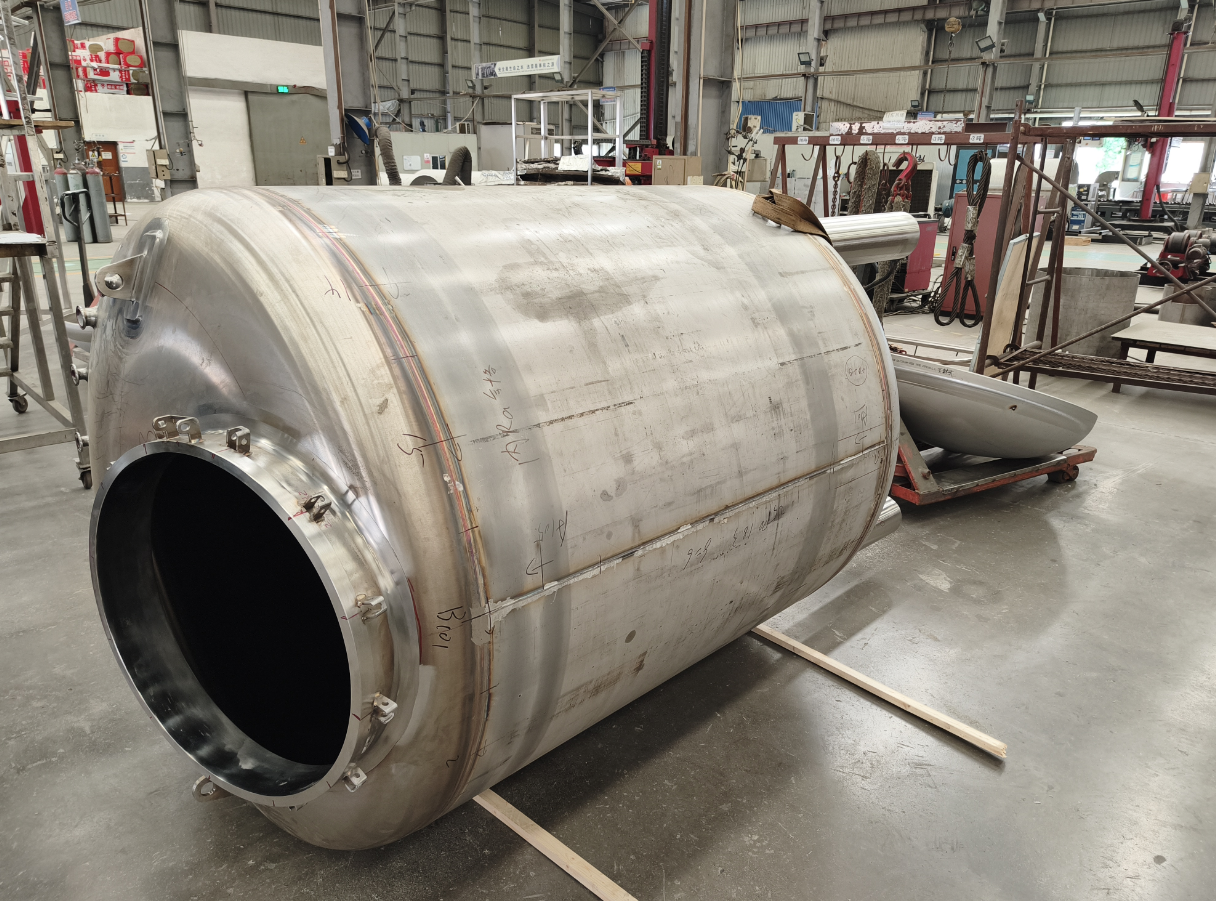
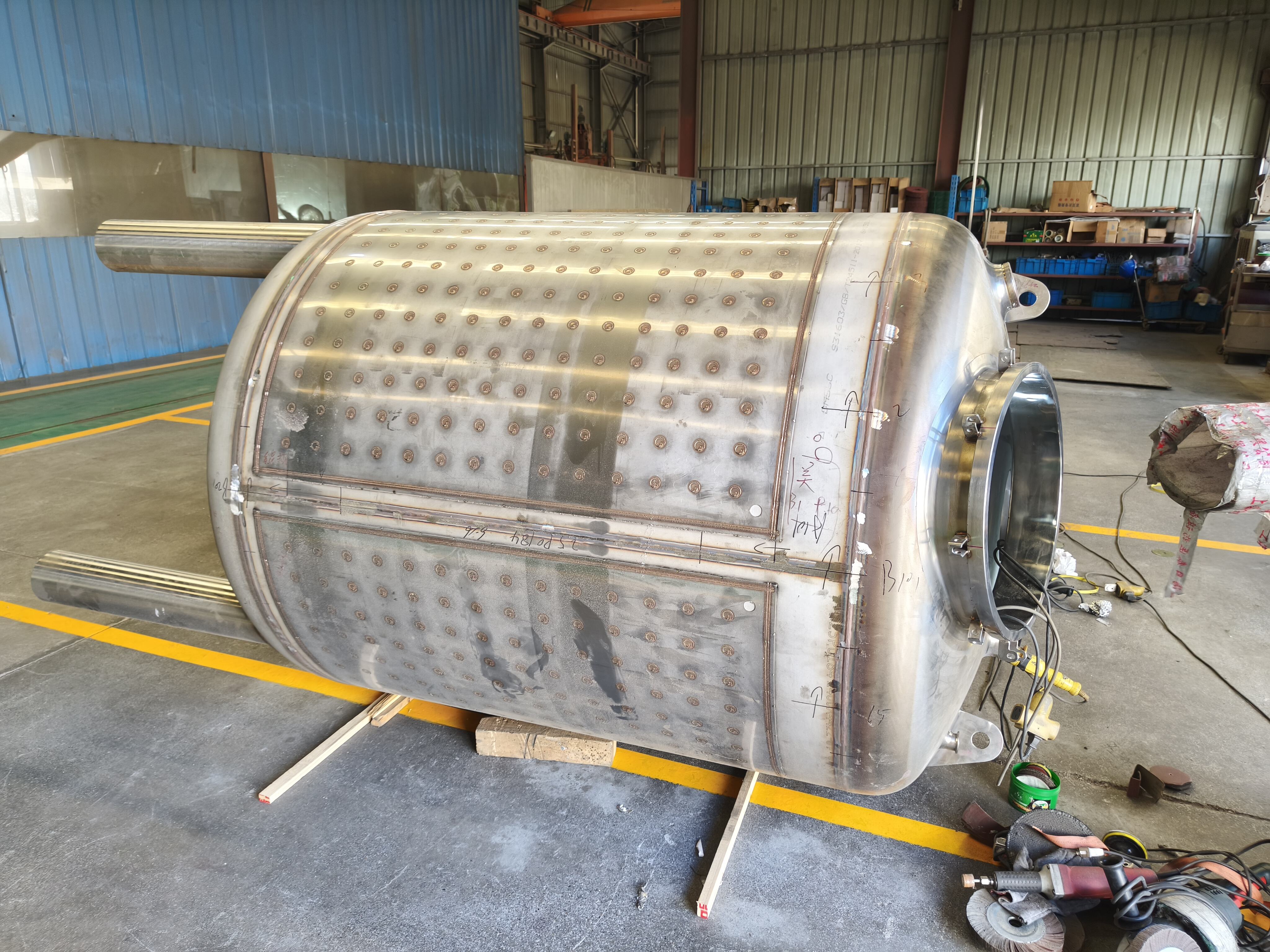
Thermal processes have eliminated direct thermal exposure via dual-wall construction. This design creates a secondary chamber that encapsulates the primary vessel allowing for uniform circulation of a thermal medium - like glycol, steam, or thermal oil - around the outside. Heat through conduction is transmitted via the inner wall avoiding thermal shock to the sensitive contents. With dimple or semi-coil jackets have the ability to increase effective surface area by as much as 40% compared to flat jackets. This also improves the efficiency of heat exchange. Some computations have shown that when evenly distributed, thermal medium could yield a 68% reduction in stagnant zones and allow a temperature range of ±0.5°C in a matter of minutes compared to single wall tanks.
CFD-Validated Performance: ±0.3°C Uniformity in a 5,000-L Pharmaceutical Process Tank
Jacketed tanks show precision at a production scale, and 5,000-L pharmaceutical designs for monoclonal antibodies have reached ±0.3°C temperature uniformity—improving by 92% from standard designs. This performance is attributed to three elements of engineered design:
- Optimized flow rates to maintain a laminar jacket flow, removing turbulence and hotspots.
- RTD sensor placement, with redundant probes measuring micro-variations in real time.
- Thermal fluid modulation by dynamic PID control in under 0.2 seconds.
A pharmaceutical peer-reviewed publication (DOI: 10.1016/j.xphs.2023.08.012, 2023) validated this design for biopharma manufacturing. It reduced protein denaturation in heat-sensitive biologics by 79% and reviewed the importance of jacketed systems for quality-critical manufacturing.
Optimizing Thermal Fluid Selection for Your Process Tank Application
Matching Fluid Properties to Temperature Range and Response Needs
Choosing the correct heat transfer fluid for a process tank relies on how well the fluid design and construction align with the processing temperature range, viscosity, and responsiveness requirements. Fluids must retain their thermal conductivity without breakdown. For example, synthetic oils are superior to water-glycol blends above 150°C (300°F) and prevent vapor lock. Thermal conductivity significantly affects ramp speed: applications with ±2°C rapid responses can benefit pressurized water, as it can achieve four times the rate of thermal oils for heating and cooling. Fluid construction is also exceptionally important for corrosion and freeze protection, particularly for cold-chain biologics. A food-grade glycol solution is ideal as it operates from -20°C to 150°C and meets 3-A sanitary standards.
Handling Sensitive Products: Glycol, Steam, and Hot Oil Applications
Glycol-water mixtures (40-60%) are notable for food and pharmaceutical applications (from -30°C to +120°C) due to their antifreeze protection and oxidation stability. In chocolate tempering, 50% propylene glycol achieves uniformity of ±0.5°C, keeping fat bloom catatonic and preserving chocolate texture.
Saturated steam is the most preferred high-intensity heating medium due to its efficacy during CIP cycles (Cleaning In Place). Nevertheless, steam supply and pressure regulation must be carefully controlled to avoid localized overheating. Steam is commonly used for starch gelatinization below 150°C.
Thermal oils (especially synthetic aromatics) allow ultra high-temperature processing (> 300°C) in the polymer synthesis step while preventing coking compared to their mineral oils. Integrated expansion reservoirs reduce thermal oil degradation by 30% in continuous operation.
Advanced Processes Tank Controls to Prevent Degradation of Sensitive Heat Products
Real-World Failure Examples: API Denaturation and Fat Bloom
Thermal excursions during food and chemical manufacturing lead to irreversible losses of product quality. In pharmaceuticals, thermal spikes above threshold values cause denaturation of active pharmaceutical ingredients (APIs) which leads to loss of therapeutic effect, thereby altering molecular structure. While producing chocolate, fat bloom occurs due to the inconsistency in temperatures. It is characterized by visible crystalline migration (which reduces the texture and shelf life). Both losses occur due to lack of proper thermal management in the non-jacketed controlled systems.
PID Controlled Set Points with RTD Arrays for Advanced Thermal Control
Modern jacketed process tanks apply multi-sensor automation to prevent degradation. RTD (Resistance Temperature Detector) arrays are strategically placed to map thermal gradients. This data is collected in real time allowing for proper adjustments. PID (Proportional-Integral-Derivative) controllers are used in these systems allowing for adjustment in real time. The continuous real time data collection leads to improved thermal management with a temperature range of ± 0.5°C of the set point.
FAQ
What is a jacketed process tank?
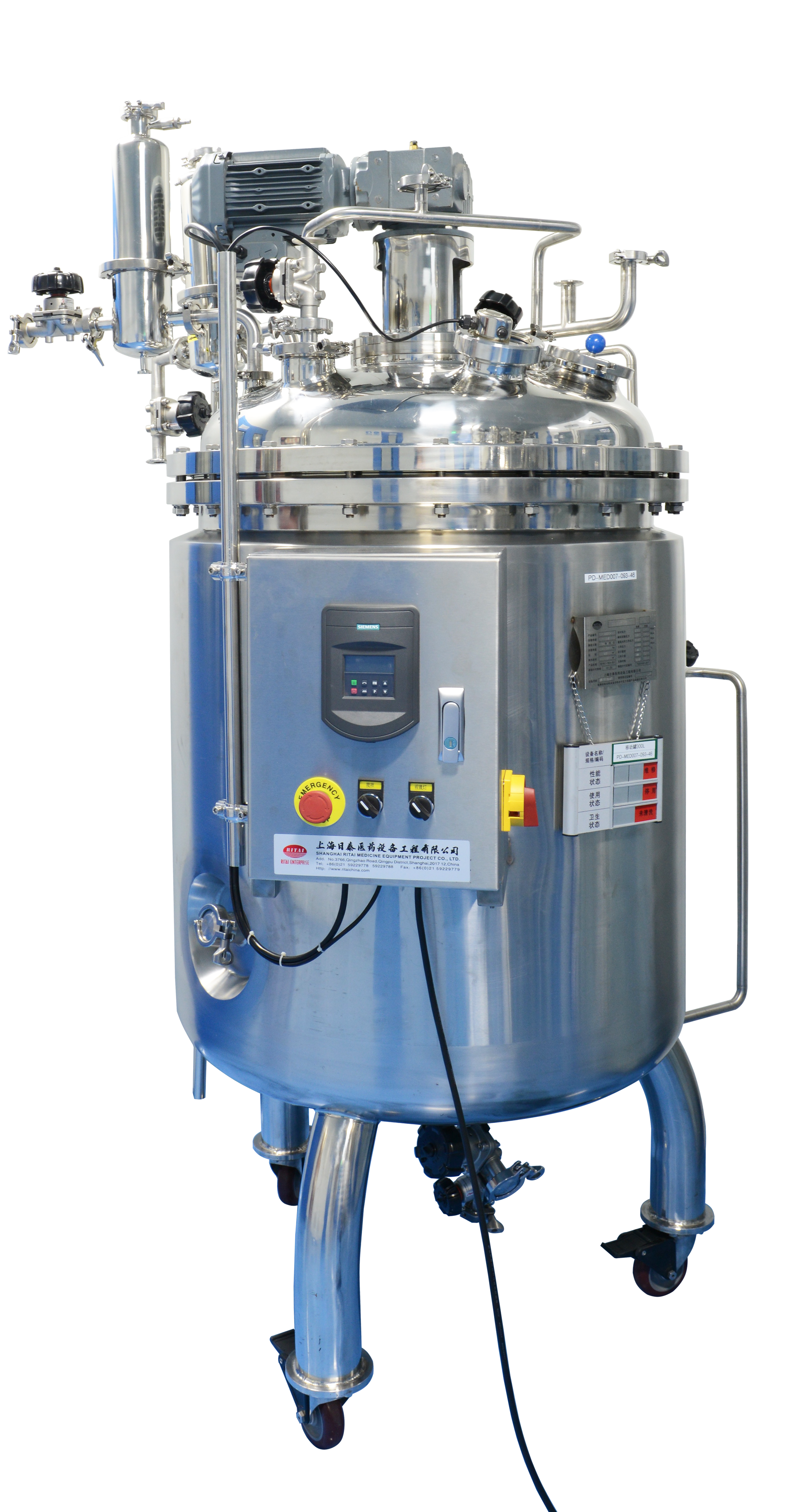
A jacketed process tank is a tank that has a dual wall to heat and cool contents uniformly without affecting the process directly with the heat or cooling source.
Why is a jacketed tank better than a non-jacketed tank?
Jacketed tanks minimize thermal lag and hot and cold spots. This ensures uniformity in temperature control and safeguards integrity of products especially in sensitive areas like food processing and pharmaceuticals.
How does a PID controller help jacketed tanks with temperature control?
A PID controller helps with temperature control by monitoring temperature and leading to faster adjustments of thermal fluids to control the temperature. A PID helps to maintain set points to preserve the integrity of the products.
What are some of the thermal fluids routed in jacketed process tanks?
Most fluids that are routed in these processes are thermal oils, saturated steam and glycol-water. These fluids are selected depending on the temperature and the application that is required in the process.