
Applications of Bioreactors in Key Biopharmaceutical Modalities
Production of monoclonal antibodies: Milk production from CHO cells in stainless steel and single-use bioreactors
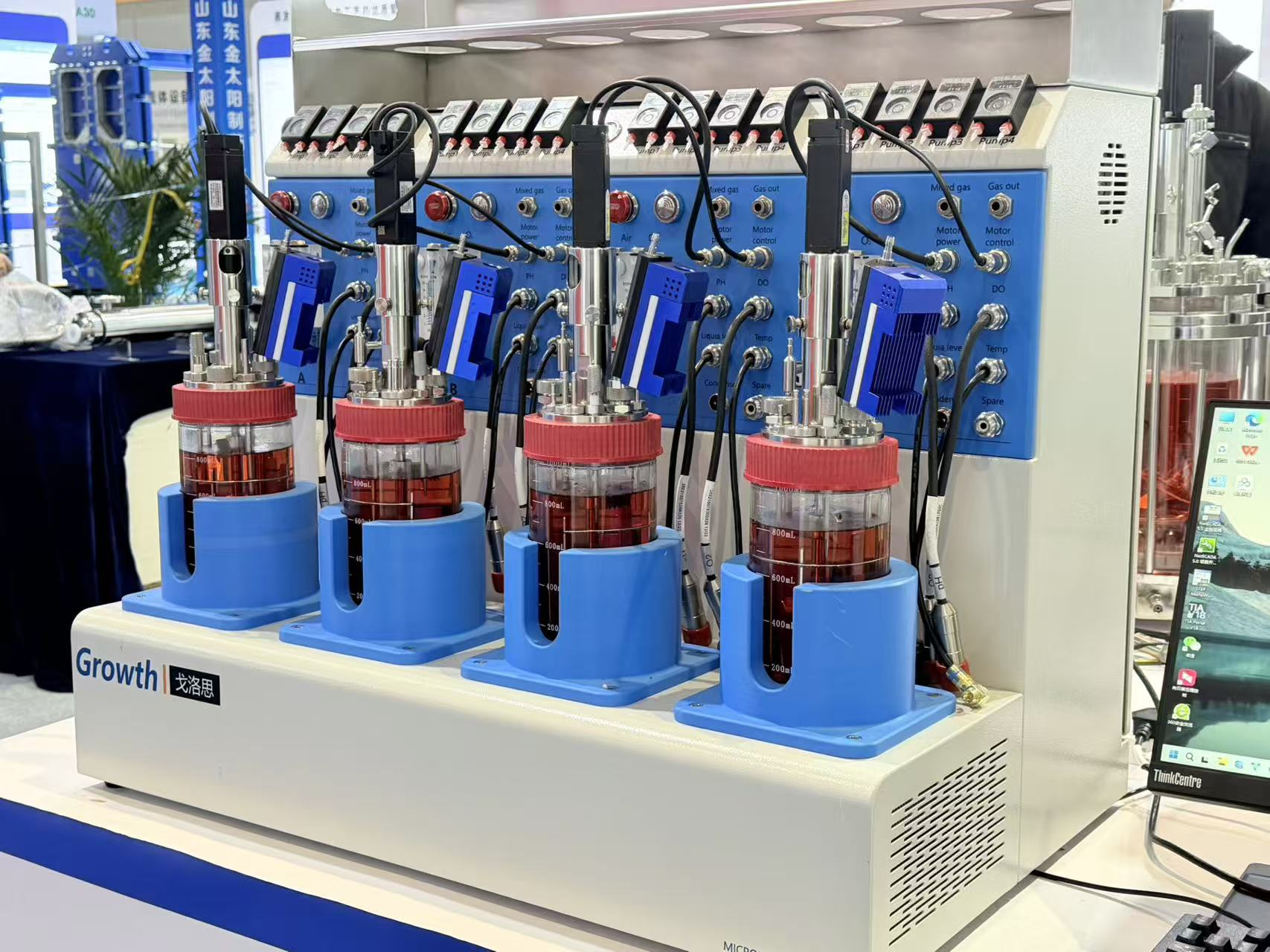
Mass production of monoclonal antibodies (mAbs) hinges on bioreactors that grow Chinese Hamster Ovary (CHO) cells at an industrial scale. A stainless steel system is able to withstand the large volume demands, while a single-use bioreactor facilities, simplifies the design, and avoids the time-consuming cleaning and sterilization steps involved in bioreactor use, thus improving the speed of batch production and reducing the risks of contamination by as much as 40%. Both of these approaches provide a highly responsive system for the control of nutrient feed and waste control, allowing for cell densities in excess of 20million cells/mL and maintaining quality, consistent antibody yields. Bioreactors producing over 80% of CHO cell derived therapeutic proteins in a batch to batch system provide and maintain critical quality attributes (CQA) and consistency to the therapeutic proteins produced.
Vaccine and cellular therapy manufacturing: Viral vector scaling and autologous/allogeneic bioproducing
Bioreactors have a critical role in the production of the viral vectors required for the development of vaccines and support the production of adenoviruses and lentiviruses at titers over 10⁹ viral particles per milliliter. Furthermore, bioreactors enable cellular therapies by providing a medium to grow and expand both autologous patient derived T cells as well as allogeneic “off the shelf” cell lines while maintaining the phenotypic and cell state stability. In process development and manufacturing of traditional CAR-T cell lines, the bioreactor systems that provide individual batches that exceeds $500,000 in value, while closed system design with perfusion control systems minimize risks of cross contamination, maintain control of perfusion and support the extension of the scale range from 2L and 2,000L with ease while meeting the FDA and cGMP300 sterility requirements.
Retractable Control Elements and Real-time Bioreactor Management
pH, temperature, dissolved oxygen, and agitation: The role of each parameter in cellular proliferation and product output
The functioning of bioreactors can be gauged using four distinct parameters, namely, pH, temperature, dissolved oxygen (DO) and agitation. Each of these parameters has critically defined ranges. Deviations of temperature beyond ±0.5°C of 37°C can severely reduce growth rates by 50% and cause cellular stress. Shifts in pH from the optimal 7.2-7.4 range can lead to loss of cell viability by over 30% due to metabolic shifts. DO must be kept between 30% and 60% saturation. Failure to achieve this range results in an unmanageable condition of hypoxia which can impede aerobic metabolism, while excess DO can lead to oxidative stress and cell loss by approximately 25%. Agitation serves to assure uniformity in the bioreactor, however, a large degree of agitation can lead to excessive shear stress and disruption of fragile cell lines. All four parameters directly influence the quality of therapeutic monoclonal antibodies and their glycosylation patterns and aggregate formation. There must be an extreme degree of control over the parameters to ensure compliance to Critical Quality Attribute (CQA) standards.
Ensuring consistency and compliance with FDA CMC guidelines
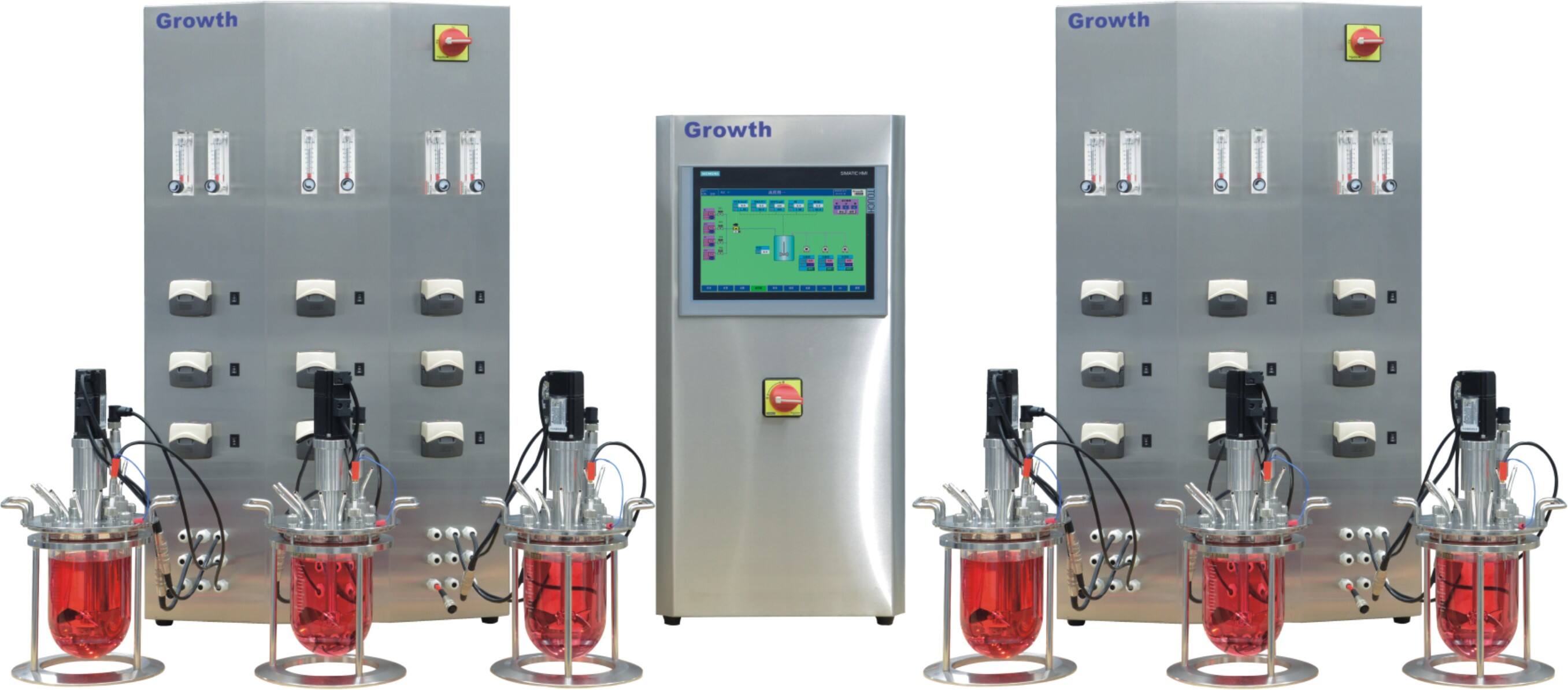
Bioreactors must employ the use of modern control systems to integrate the four parameters of temperature, pH, DO and agitation with control limits to within a preset range. This type of control system ensures closed loop control of:
CO₂ sparging for pH control
Heat exchangers for temperature control
Gas blending for DO control
Adjustable agitation
The use of closed loop control ensures consistency of batch bioreactor systems to less than 5% variability, reinforcing the standard CMC (Chemistry, Manufacturing and Controls) Control set by the FDA. Integrated control systems in bioreactors allow for the use of data logging systems which are critical for regulation in bioproduction and provide a predictive quality to the control system. Control systems are bolstered by metabolic control signatures, reducing loss from deviation by 40% in Good Manufacturing Practice (GMP) certified production systems.
Choosing Technology and Sterility in Scalable Bioreactor Systems
Systems built with SIP/CIP technologies and Supporting/Closed processing Mitigating contamination
The manufacturer's guarantee of sterile product begins with assurance of Sterility. SIP and CIP systems, while able to decontaminate stainless-steel bioreactors, are highly resource intensive and leave room for numerous errors. Recent communication from the FDA (2023) mentions contamination and recalls due to contamination in biopharma as the top reason for the manufacture recalls of Biologics. In biopharma, the “Single-use bioreactor” paradigm of bioprocessing innovated by flexible, pre-sterilized, and disposable bags eliminates SIP and CIP while improving turnaround times and decreasing the risk of cross-contamination by as much as 40%. When utilized with Supporting/Closed processing, where fluid pathways are sealed from the point of inoculation to the point of harvest, a robust and secure barrier to contamination is created that is unparalleled in the industry. The leading manufacturers in biopharma have reported a 90% reduction in batch failures with the adoption of the integrated, closed, single-use systems.
Key Challenges in Scaling Up Biochemical Reactor Processes from 2-L Benchtop to 20,000-L GMP Production
The challenges of scaling bioreactor operations are a blend of biological and engineering issues, of which, three remain primary:
1. Cell Damage via Shear Stress: With a larger volume of liquid, the larger the vessel, the more pronounced the shear forces in a mix. This has the potential to damage cells sensitive to shear forces.
2. Gas Transfer: Without the use of optimized sparging or mass transfer technologies, oxygen cannot diffuse into the bioreactor in volumes larger than 1,000-L.
3. Engineering Process Parameters: There are pH, temperature, and other gradients that arise across the volume processed in a bioreactor vessel. These parameters are inconsistent and uneven.
Meeting the Commercial Scale FDA CMC Requirements: The larger the scale, the more of a challenge it becomes to meet the validation requirements.
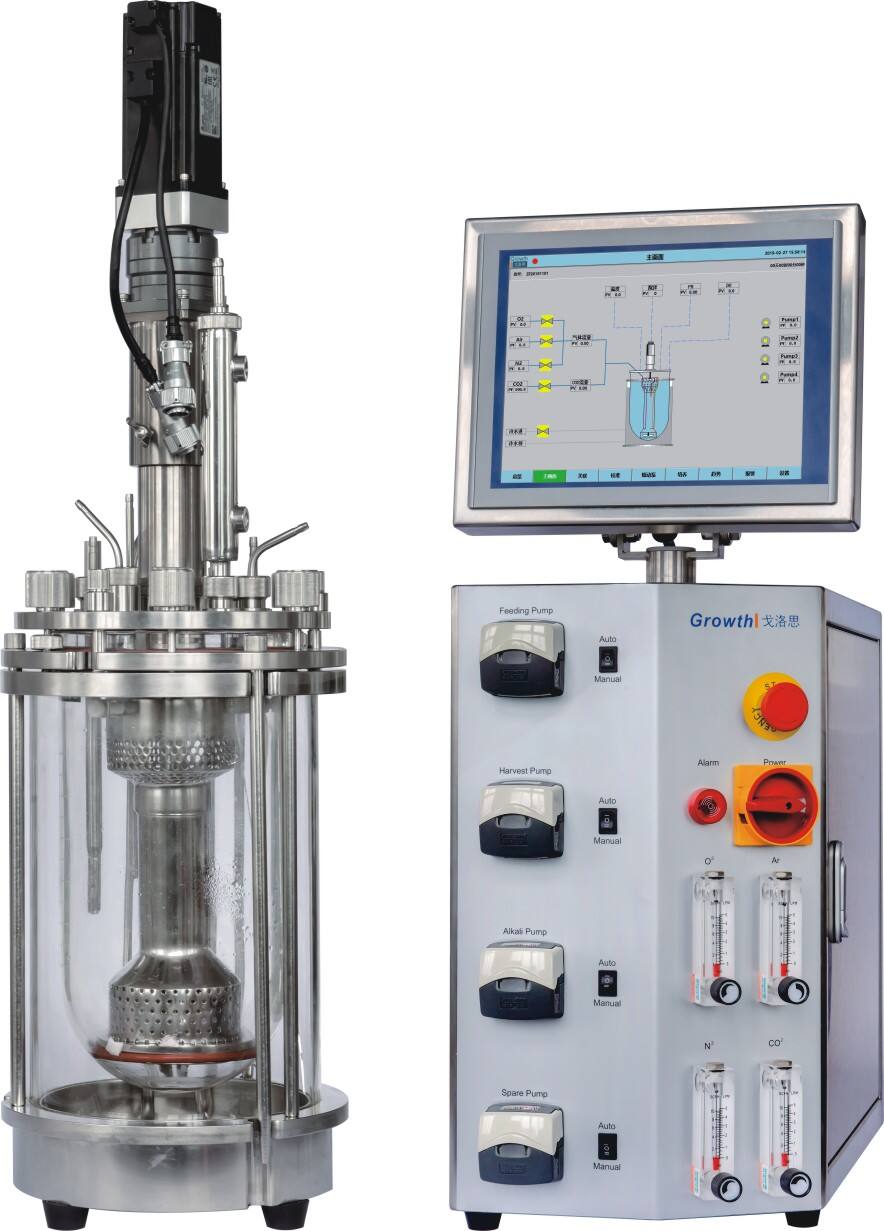
The successful scale-up process requires a significant understanding of both the parameters, and most importantly, the dynamic behavior of the process, and not simply an understanding of the setpoints. The use of perfusion bioreactors allows the process to maintain a consistent cell culture medium that contains nutrients needed by the cells as well as the ability to remove the metabolic wastes produced by the cells. The use of high-fidelity sensor systems allows the process to make changes in real time, in an autonomous manner, to control the necessary parameters.
In a 2023 study by the Ponemon Institute, it was reported that, on average, a single failed scale-up process has an associated cost to the manufacturer of $740,000.
The other major challenge in scaling bioreactor operations is that modular single-use systems maintain a material limitation of most bioreactor systems of 2,000-L volume capacity. For ultra-large-scale bioreactor operations (greater than 15,000-L volume capacity), the leading systems are still the stainless-steel systems, regardless of the limitations and burdens of steam sterilization validation requirements.
In Brief:
What are the advantages of single-use bioreactors compared to stainless steel bioreactors?
Single-use bioreactors simplify the process of turnaround time, minimizing contamination opportunities, and eliminating the need for cleaning and sterilization, all by reducing turnaround time by as much as 40%.
What critical bioreactor process parameters influence bioreactors?
For the quality of the product as well as the cell growth rates and overall yield, pH, temperature, dissolved oxygen, and agitation are all critical process parameters. Tight control of all these parameters is necessary in manufacturing, for example, the quality attributes of monoclonal antibodies.
What is the significance of single-use bioreactor systems?
Single-use bioreactor systems, along with closed processing systems, provide the highest form of sterilization control, which is the most crucial aspect of bioreactors to prevent contamination. Contamination is the primary cause of bioreactor failures and ultimately regulatory non-compliance resulting in recalls.