
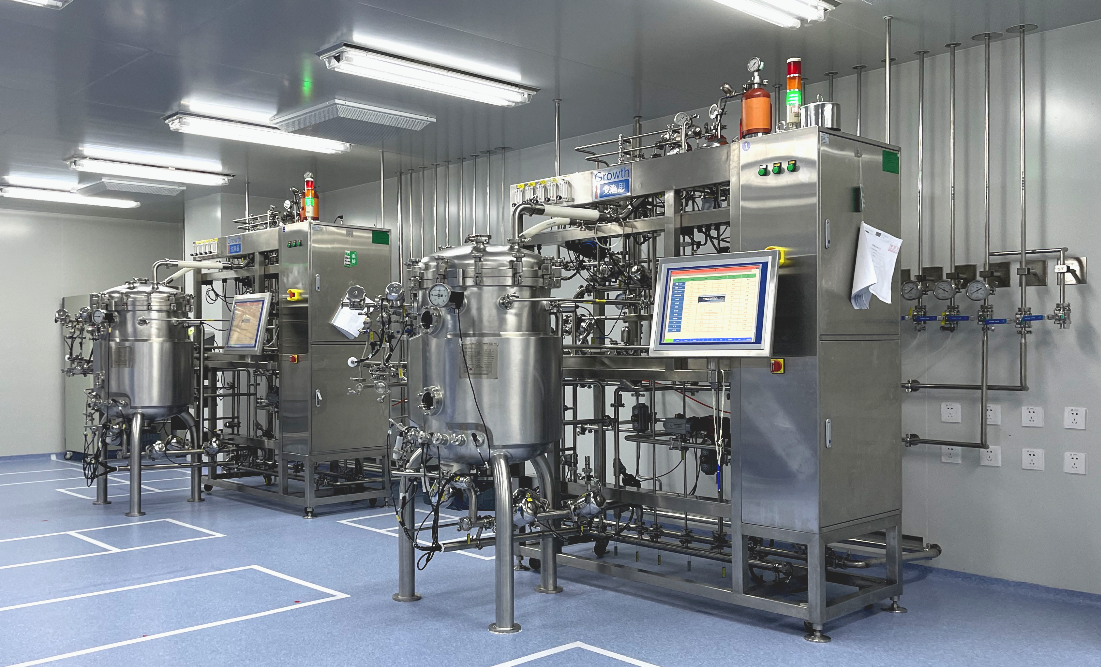
Core GMP Regulatory Framework for Vaccine Production Equipment
21 CFR Part 211 (Drugs) and Part 600 (Biologics): Key Equipment-Specific Requirements
The foundational regulatory framework for vaccine production equipment consists of the FDA’s Current Good Manufacturing Practice (CGMP) regulations in 21 CFR Parts 211 and 600. While Part 211 focuses on the design of equipment that prevents contamination and supports cleaning validation, 21 CFR Part 600 introduces some biologics-specific requirements concerning equipment qualification for systems that handle living or biologically sensitive materials. In addition, 21 CFR Parts 211 and 600 also require equipment design that supports the integrity of the process and ensure surfaces that contact product materials meet specific microfinish and are validated for sterility. Additionally, 21 CFR Part 600 requires the manufacturers of the biological product to ensure that critical process parameters are maintained, for example, bioreactors operating within the temperature band of 0.5°C and isolators operating with a pressure differential of 15 Pa. This is a design requirement, and therefore, it is the responsibility of the manufacturers to select the right equipment and ensure the equipment is operated within the required parameters to ensure that the vaccines produced meet the required quality attributes.
ALCOA+ Principles in Equipment Data Integrity: Audit Trails, Electronic Signatures, And System Security
In vaccine manufacturing, data integrity can’t be compromised. The evidence for this lies in ALCOA+ principles (Attributable, Legible, Contemporaneous, Original, Accurate, Complete, Consistent, Enduring, Available) being embedded into the architecture of modern manufacturing equipment. For bioreactors, this means incorporating cryptographic audit trails that will capture and preserve every change made to a parameter with a timestamp and an electronic signature that complies with 21 CFR Part 11. Purification skids will also need mechanisms to limit and control access based on a user’s role to prevent unauthorized changes to operation modes and setpoints. Safeguards extend beyond software and into the hardware, as biometric authentication on control panels, and disabling USB/network ports, help counteract tampering and the unauthorized extraction of data. Controls of this kind will help maintain the integrity of equipment data and ensuring it supports real-time decisions and long-term compliance.
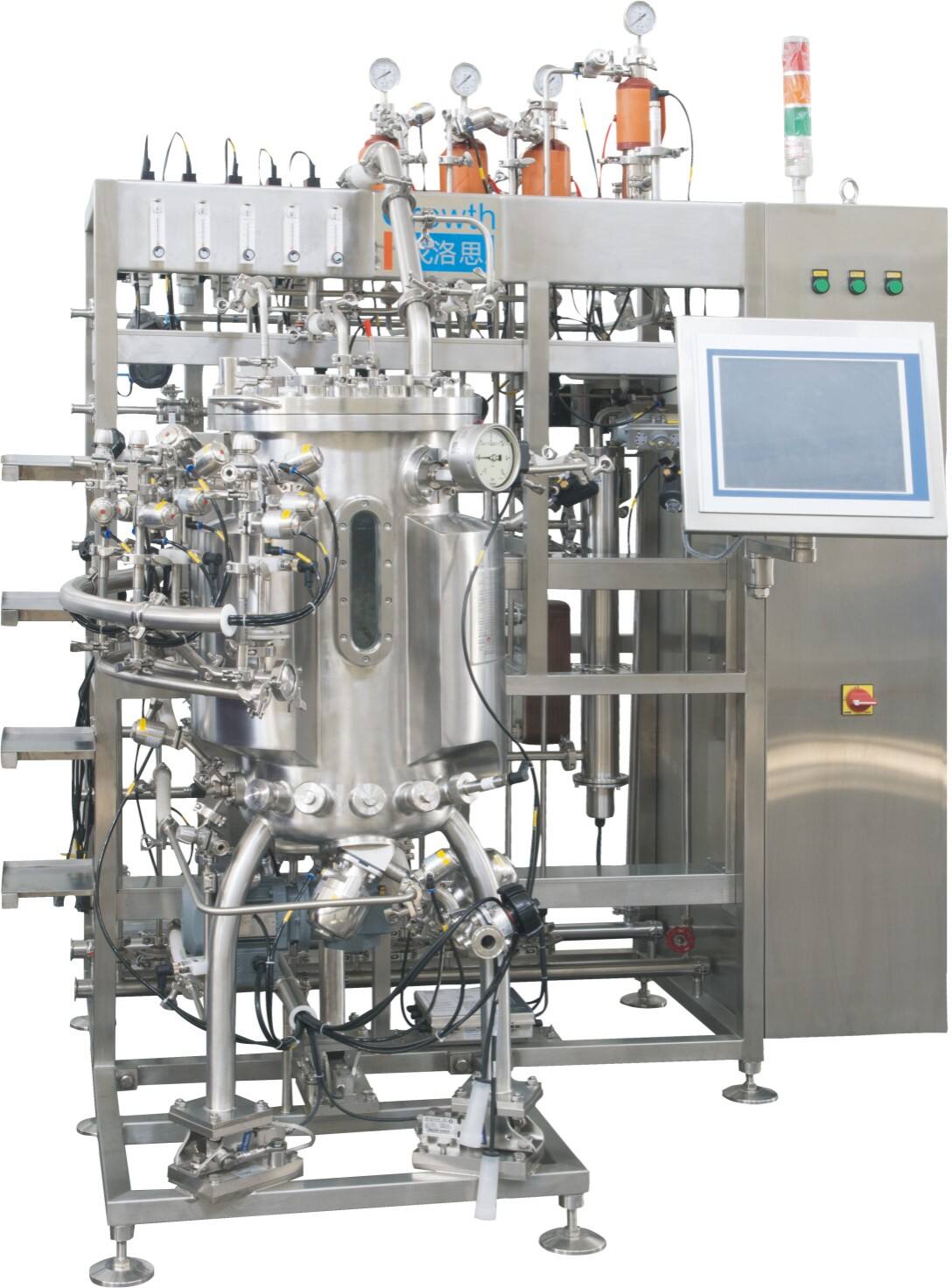
Qualification and Validation Phases for Equipment
Critical Checks for Bioreactors, Purification Skids and Aseptic Filling Lines during the IQ/OQ/PQ Phases
The IQ/OQ/PQ life cycle offers a structured and risk-adjusted approach to validate the ongoing reliable performance of equipment through its anticipated range of use. Each element addresses specific verification objectives.
Qualification Phase Primary Objective Essential Equipment Checks
Installation (IQ) Confirmation of specification installation Bioreactor: Alignment of the protective foundation and the WFI (Water for Injection) connections
Operational (OQ) Functionality evaluation within the defined operating limits Purification Skids: Pressure/Temperature stability, flow rate, and effectiveness of the Cleaning in Place (CIP)
Performance (PQ) Ability to serve the purpose of the bioprocess consistently under normal operating conditions Aseptic Filling Lines: Usual vial closure integrity, fill volume, and assurance of sterility
OQ for bioreactors includes uniformity of mixing and control of dissolved oxygen (±5%). PQ requires achievement of viability for greater than 95% after three consecutive runs. For purification skids, OQ includes evaluation of the binding of chromatography resins along with sanitization to achieve a ≥4-log reduction of microbes. The validation of the Aseptic filling lines includes a Media Fill sterility test, which requires no growth of microbes in greater than 5,000 units. Validation of each phase demonstrates the consistent performance of the equipment for all critical quality attributes.
Contamination Control and Aseptic Assurance for Vaccine Production Equipment
ISO 13408-1 and Material Compatibility, Sterilizability, and Bioburden
The focus of ISO 13408-1 is on equipment used in aseptic processing, establishing requirements for the selection of materials, and sterilization and bioburden control. Equipment surfaces should be constructed from 316L stainless steel, free of crevices, and electropolished to Ra ≤ 0.4 μm to resist biofilms and particles. Seals, gaskets, and valves should also be capable of withstanding numerous SIP and CIP cycles. Leachables caused by seal degradation, for example, could be a vaccine safety concern. CIP and SIP protocols should be validated and maintained along with environmental monitoring and bioburden testing. Compliance should also include non-contact surfaces, such as the tubing, filters, and sensors.
Environmental Monitoring and the Equipment Integration in Controlled Areas
Integration of equipment in cleanroom Grade A and B zones, where aseptic processing occurs, is crucial to the performance of the cleanroom. Inadequately shielded or poorly positioned equipment can disrupt unidirectional laminar flow and increase the risk of contamination during critical operations, such as the filling of vials. RABS and isolators provide a high level of containment with minimal operator access. Continuous monitoring of particle contamination with real time alerts for airflow and filter integrity failures can achieve optimal unidirectional laminar flow and the required balance for air change and pressure control. Equipment designed to be integrated with a cleanroom system will be a less of a hindrance and more of a functional component.
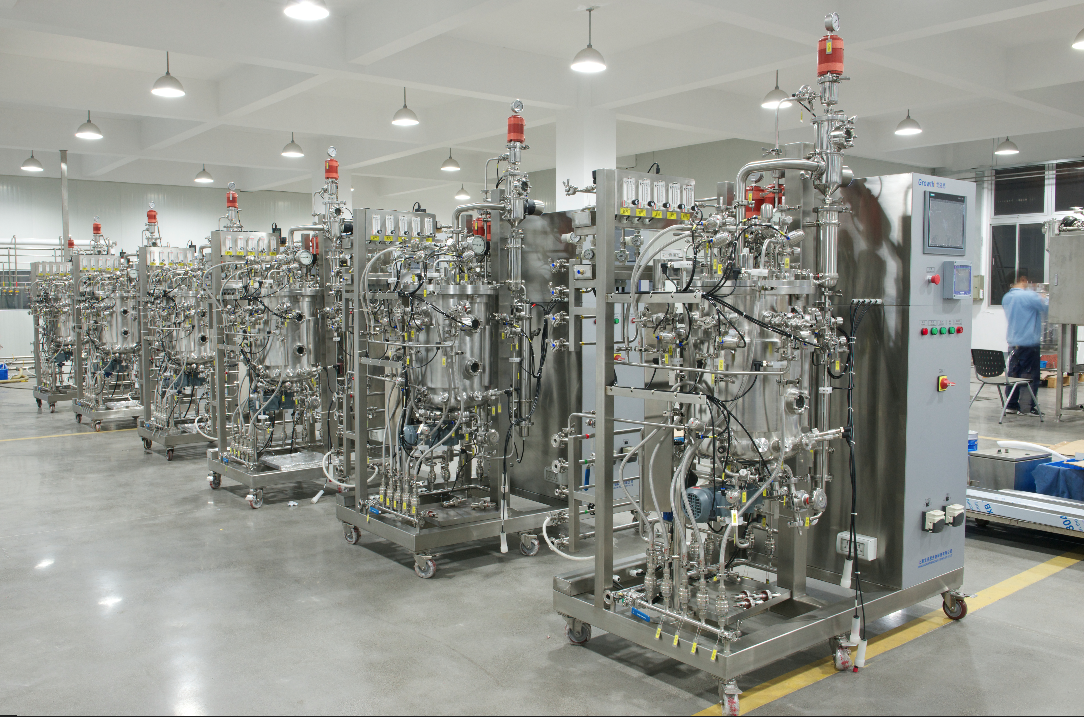
Facility-Equipment Interface: HVAC, Pressure Cascades, and Structural Controls
The equipment to manufacture vaccines must be designed and installed as a controlled element of an integrated environmental management system for the facility. The design of HVAC systems, especially the logic of pressure cascades, is critical to avoiding cross-contamination: for instance, Grade A filling zones must be maintained at positive pressure compared to surrounding Grade B spaces through differential pressure sensors and automatic control of dampers. Structural components such as sealed penetrations in walls, welded transitions in floors, and gasketed door frames maintain pressure differentials by eliminating unintentional air leaks. The placement of equipment further supports the performance of HVAC; bioreactors and purification skids must be provided sufficient distance to allow clearance for airflow, access for maintenance, and the ability to clean. HVAC systems must achieve sufficient air changes per hour (20–60 ACH based on classification) in order to effectively dilute airborne contaminants. A common cause of regulatory observations is the misalignment of equipment and HVAC zoning, so it is imperative to have early cross-functional collaboration of the design and commissioning of the facility among the teams for engineering, quality, and validation.
FAQ section
What regulations apply to designing and building vaccine production equipment?
The FDA's CGMP regulations, specifically parts 211 and 600, detail the expectations for vaccine production equipment, focusing on quality and contamination, as well as the qualification of equipment.
What does ALCOA+ stand for, and what does it mean for vaccines?
The ALCOA+ principles are Attributable, Legible, Original, Accurate, and the like. These principles are the starting point of data integrity as it applies to vaccine production, meaning data must be secured along a trail via audit logs, and access controls must be assigned per role.
What exactly does the IQ/OQ/PQ process verify for equipment?
The IQ, OQ, and PQ steps of this process entail: Installation and verification of the correct setup (IQ), verification of the operation and function (OQ), and verification of the consistency of production and the attainment of the desired performance (PQ).
What does ISO 13408-1 add to & why is this section of the standard important?
ISO 13408-1 is a section of the standards for aseptic processing. It focuses on the evaluation of the compatibility of materials, the management of sterilization, and the management of bioburden.
How does the arrangement of equipment affect the performance of a clean room?
The arrangement of equipment affects the control of laminar flow and the risk of contamination in clean rooms. Proper arrangement of the equipment allows the zoning of the clean room and the maintenance of aseptic conditions.