Why Dual-Use Flexibility is a Core Design Element in Today’s Bioreactors
What do small-scale manufacturing bioreactors need to be geared towards to bridge the gap between R&D and GMP?
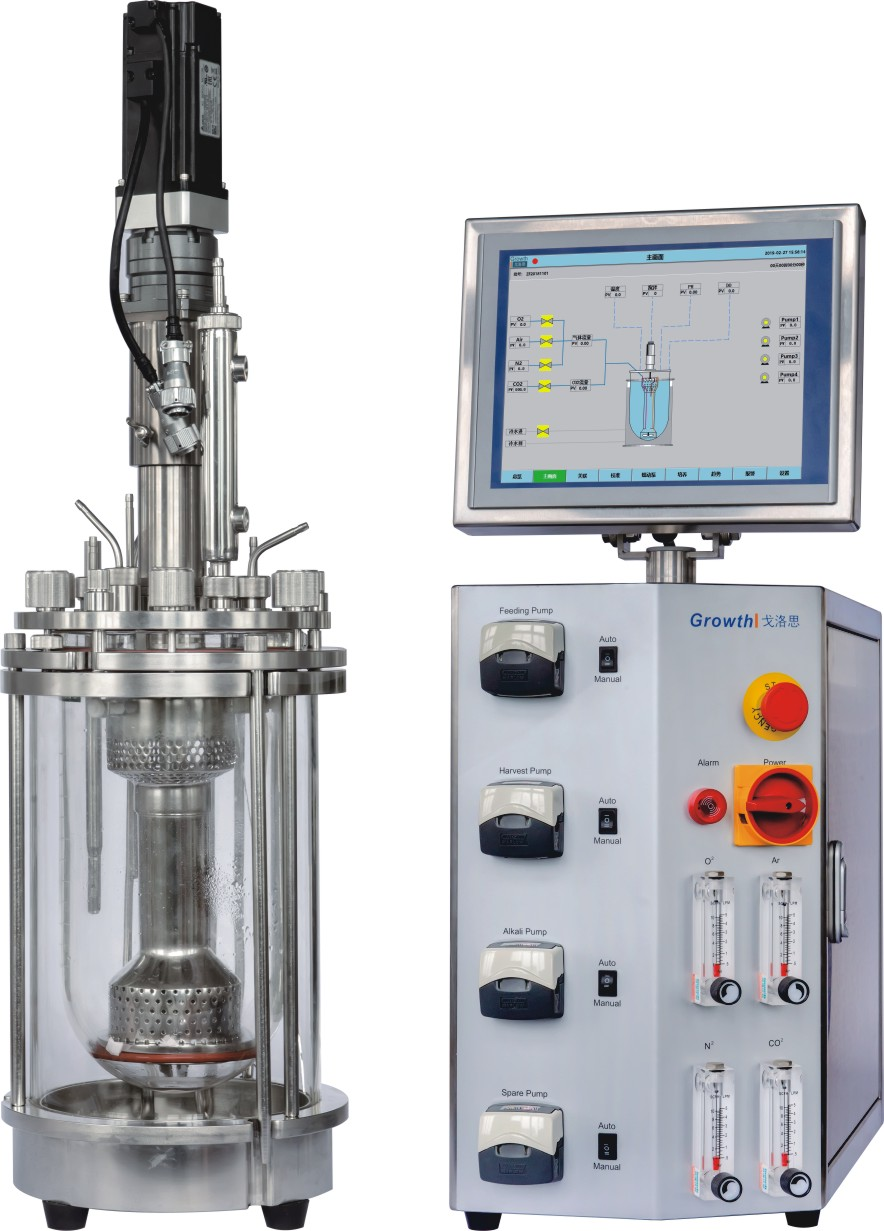
Today's bioreactors remove old-fashioned barriers using seamless technology transfer from research to initial manufacturing. They use a modular design that keeps the same parameters and controls across R&D and GMP. This guarantees the same cell culture conditions from small to large production runs. This modularity shortens the time needed to validate systems by 40-60% compared to traditional methods and avoids the expensive and time-consuming cycles that delay the submission of an IND.
Benefits:
Agility: The modularity offers a multitude of experimental designs with minimal hardware
Compliant: Offers 21 CFR Part 11 through electronic signatures and audit logs
Scale down: Smaller systems use the same mass transfer and fluidics as large systems
This system works better and allows for faster progress in development.
The impact of single-use bioreactors on manufacturing and the development of processes
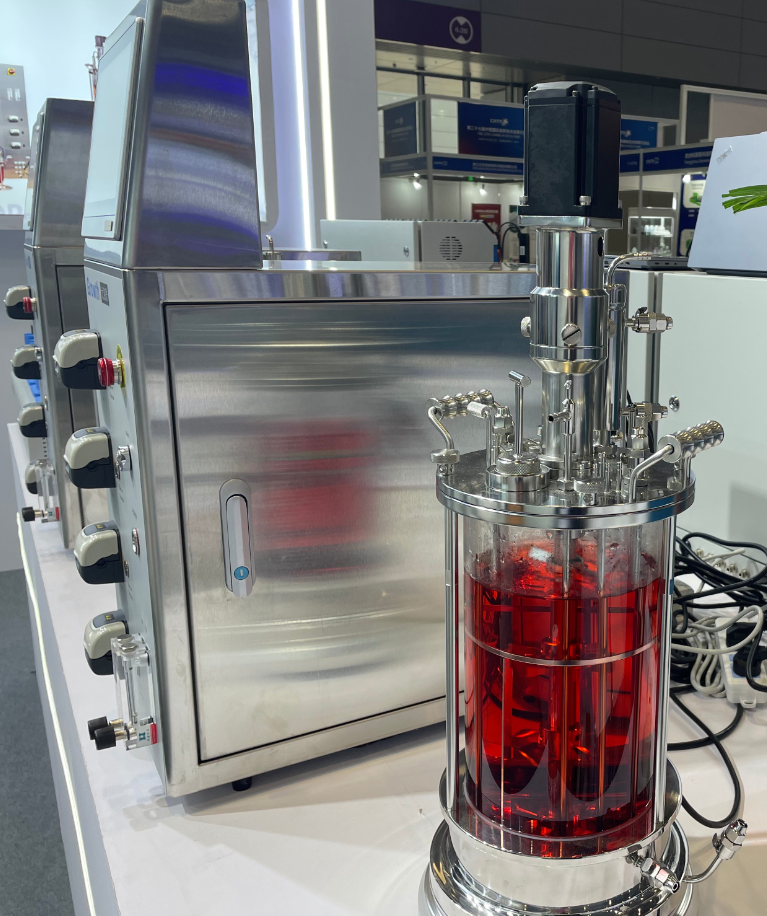
Single-use bioreactors use a disposable flow path and sterilized components. This speeds processes by eliminating cleaning validation and drastically reducing cross-contamination and product changeover. They use a film technology that holds a consistent mixing profile and oxygen transfer, yielding better than 95% cell viability for a range of 2-2000L.
Benefit Impact to R&D Impact to Manufacturing
Risk of contamination Near-zero risk of cross contamination No cleaning validation
Speed 70% faster batch Instant product changeover
Cost 85% lower initial costs Facility fit-out savings of $740,000 (Ponemon Institute)
These systems are crucial for accelerated biologics development for early-stage agile biotech companies that develop multiple products.
Controlled Bioreactor Scale-Up and Process Transfer
What's required for engineering scale-down models such as ambr250 to predict the performance of full scale bioreactors
An accurate engineering scale-down bioreactor such as the ambr250, is able to replicate the fluid and mass-transport phenomena of larger scale bioreactors. Working within the limitations of bioprocess engineering, the challenge for engineers is to determine the optimum operating conditions for large scale bioreactors by replicating critical scale-up parameters, such as mixing and mass transfer, using a small amount of biomass. Conditions such as temperature, pH, and dissolved oxygen, typically do not change in bioprocess operations. Using high-throughput bioprocessing research, engineers can test a large number of conditions and generate predictive models of bioreactor performance for large bioreactor volumes up to 2,000 L or even 10,000 L. This method of using available bioprocessing research is valuable for decreasing the potential risks involved in the scale-up of bioreactors and for reducing the time to achieve Good Manufacturing Practice biomanufacturing.
Demonstrating the transferability of bioreactor processes from lab to clinical and commercial scale
Transferring a process from one scale to another requires a rigorous approach to iterative research engineering in order to demonstrate the control and consistency of critical quality attributes, such as titer, glycosylation, and impurities, at each scale. Validation begins with a risk assessment of the differences in the equipment (e.g. sparger, impeller) and research engineering at a number of intermediate scales to optimize the control of feeding and perfusion. A transfer of technology protocol is used to align the sending and receiving entities on the sampling, the accepted analytical techniques, and the established acceptance criteria. When the technology transfer is conducted in a step-wise manner, the process remains consistent, and variability and the regulatory burden are minimized. This results in the therapeutic products being the same
Benefits and Costs of Strategy Integration
Lessening the Validation Effort, Sophisticated Transfer of Technology, and Better Control of Contaminants
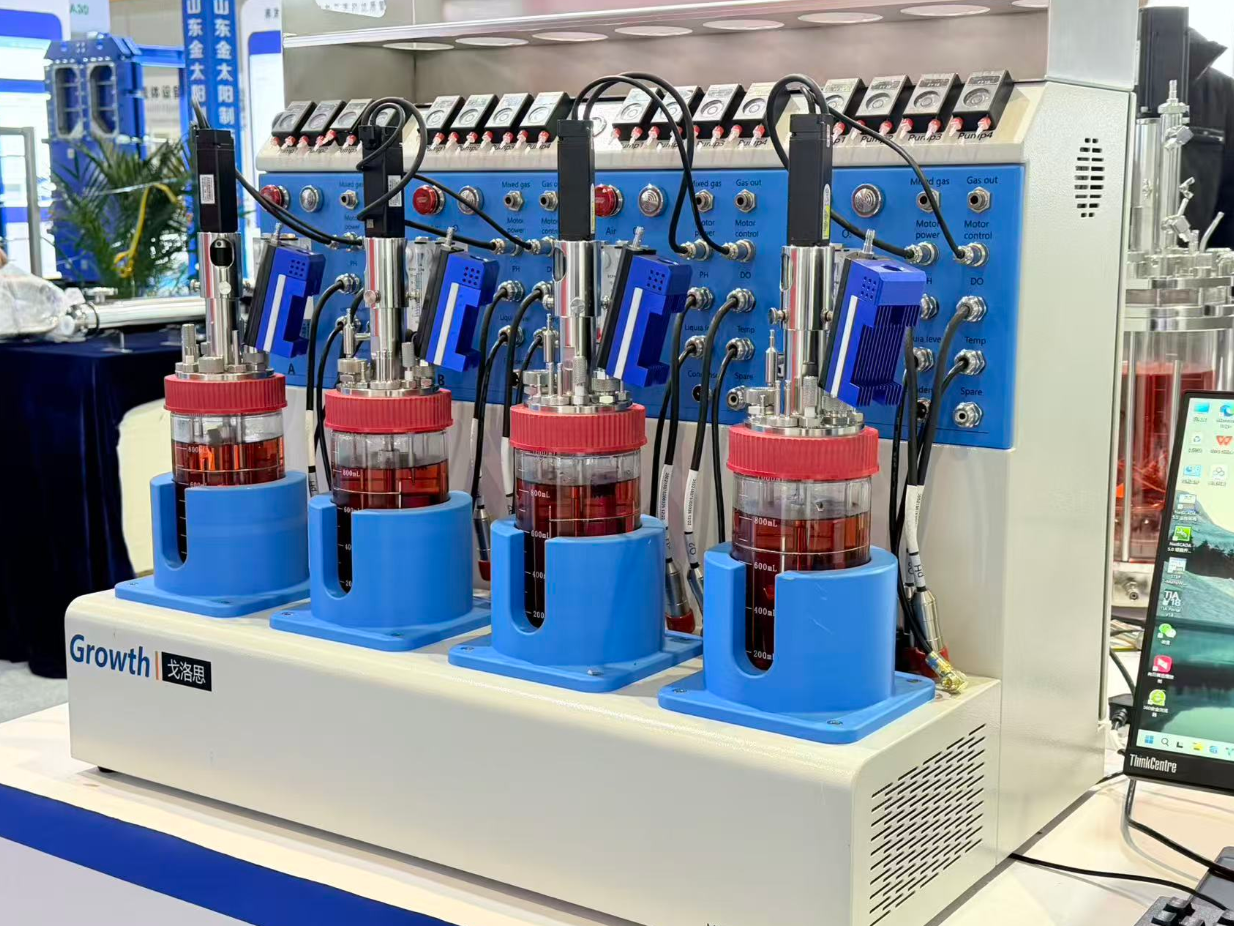
A strategy of bioreactor platform integration, with the same bioreactor systems in a company’s R&D and small-scale batch GMP production, minimizes the effort of validating the systems. The same cleaning protocols and control logic do not need to be validated for each process step. Integration of single-use bioreactor systems, which are manufactured and packaged as a set of ready-to-use bioreactor components, also helps to mitigate the risk of contamination. Furthermore, because of the elimination of cleaning cycles, the absence of in-place cleaning (CIP) validation results in the same validation effort. This is especially helpful for start-ups and contract service companies that need to manufacture and deliver clinical products in the shortest time frame possible while maintaining compliance with regulatory requirements.
Reduction in Cost of Ownership: Capital Cost, Consumables, and Cost of Training, as Well as Reduced Space Required for Manufacturing
In a biomanufacturing process, integration of single-use bioreactor systems in a company’s R&D and small-scale batch GMP production consistently results in favorable evaluation. The cost of capital falls. There are no stainless steel fermenters, steam sterilization systems, or cleaning-in-place and sterilization-in-place (CIP/SIP) systems. While the proprietary consumables are a recurring cost, they offset labor, water, and energy expenses, as well as the validation effort and the footprint of the facility. Standardization improves training and operational efficiency and allows flexibility in the organizational structure and the work teams. For a facility that manufactures multiple products or biopharmaceutical drugs at varying scales, the cost of ownership is reduced significantly without compromising the integrity of the manufacturing process or making the process out of regulatory compliance.
Frequently Asked Questions (FAQs)
What are the benefits of the bioreactor systems compared to their predecessor for the R&D and GMP production steps?
The new generation of bioreactors is designed to enable continuous transfer of technologies, consistency in operating parameters, and reduction in the time and effort required for validation.
How do single-use bioreactors improve the efficiency of operations?
Single-use bioreactor systems eliminate the risk of cross-contamination, and the pre-
Q: Why is it useful to adopt scale-down models in bioprocessing?
A: Scale-down models are used to estimate production-scale parameters while limiting the amount of material used. This ultimately leads to correct estimations and quicker scaling out to GMP manufacturing.
Q: In what way does a strategy for unified bioreactors create less expense?
A: Unified bioreactor platforms keep costs low in several areas such as the purchase of capital, labor, training, energy, water, and validation, while consistently meeting required standards for regulation.
Q: How can a bioreactor process transfer be successful?
A: In order to achieve successful and predictable outcomes across a range of processes, without the need for additional regulatory approvals, it is important that rigorous comparability studies and risk assessments are carried out and that there is agreement with all stakeholders on the specific analytical methods that are to be used.