Brief Product Description
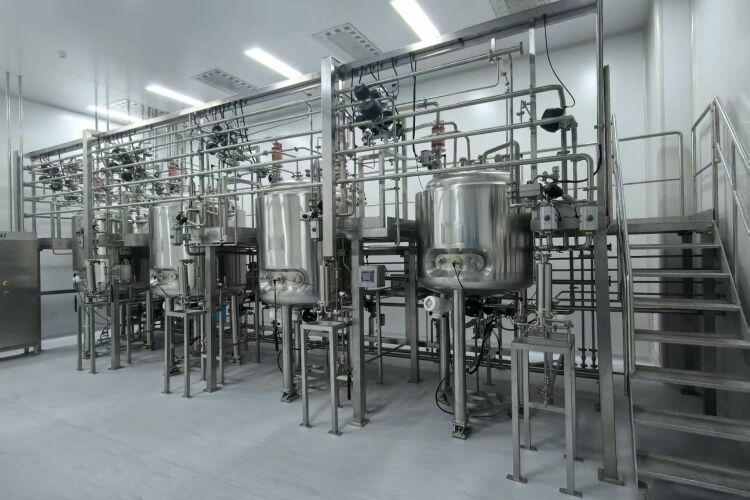
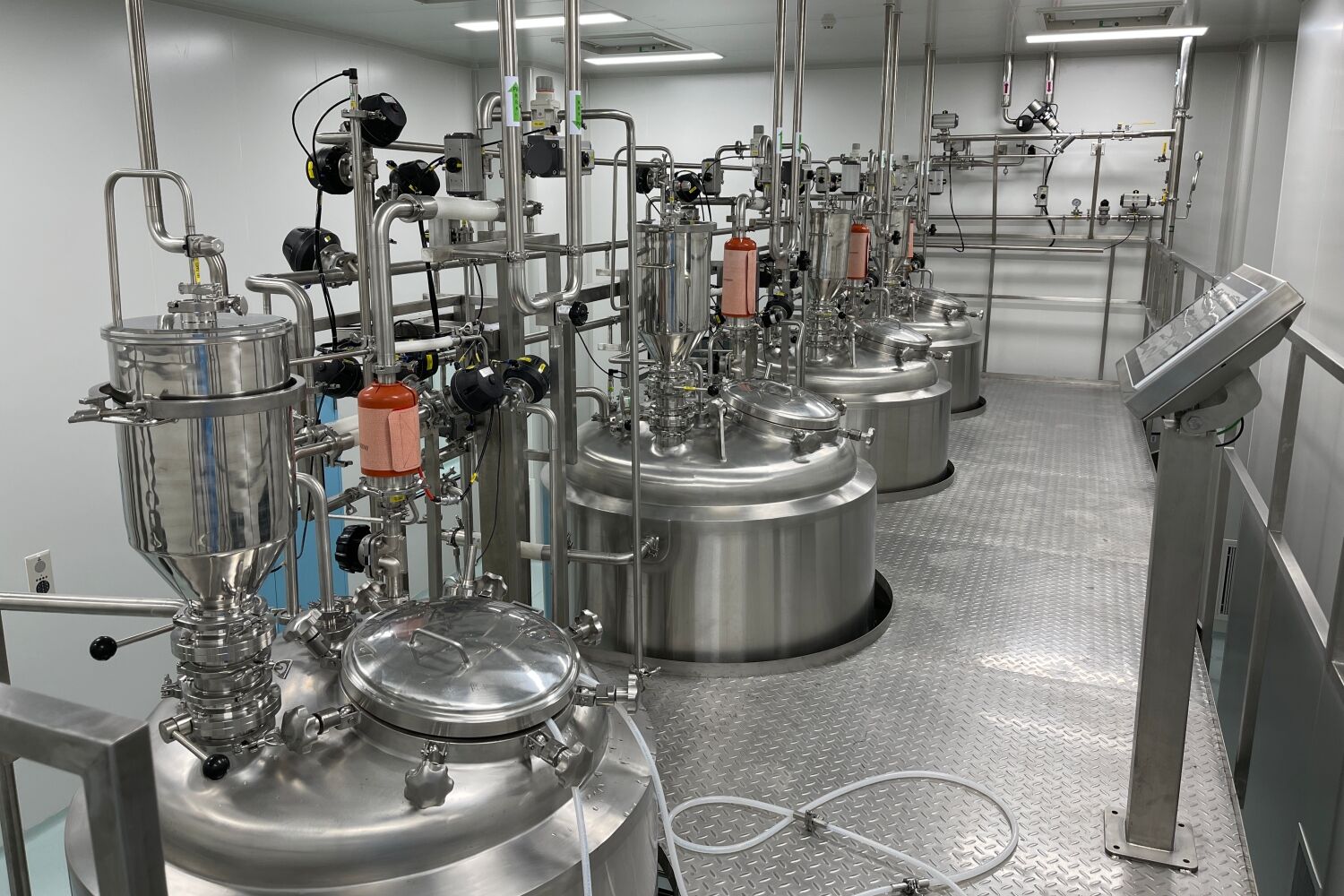
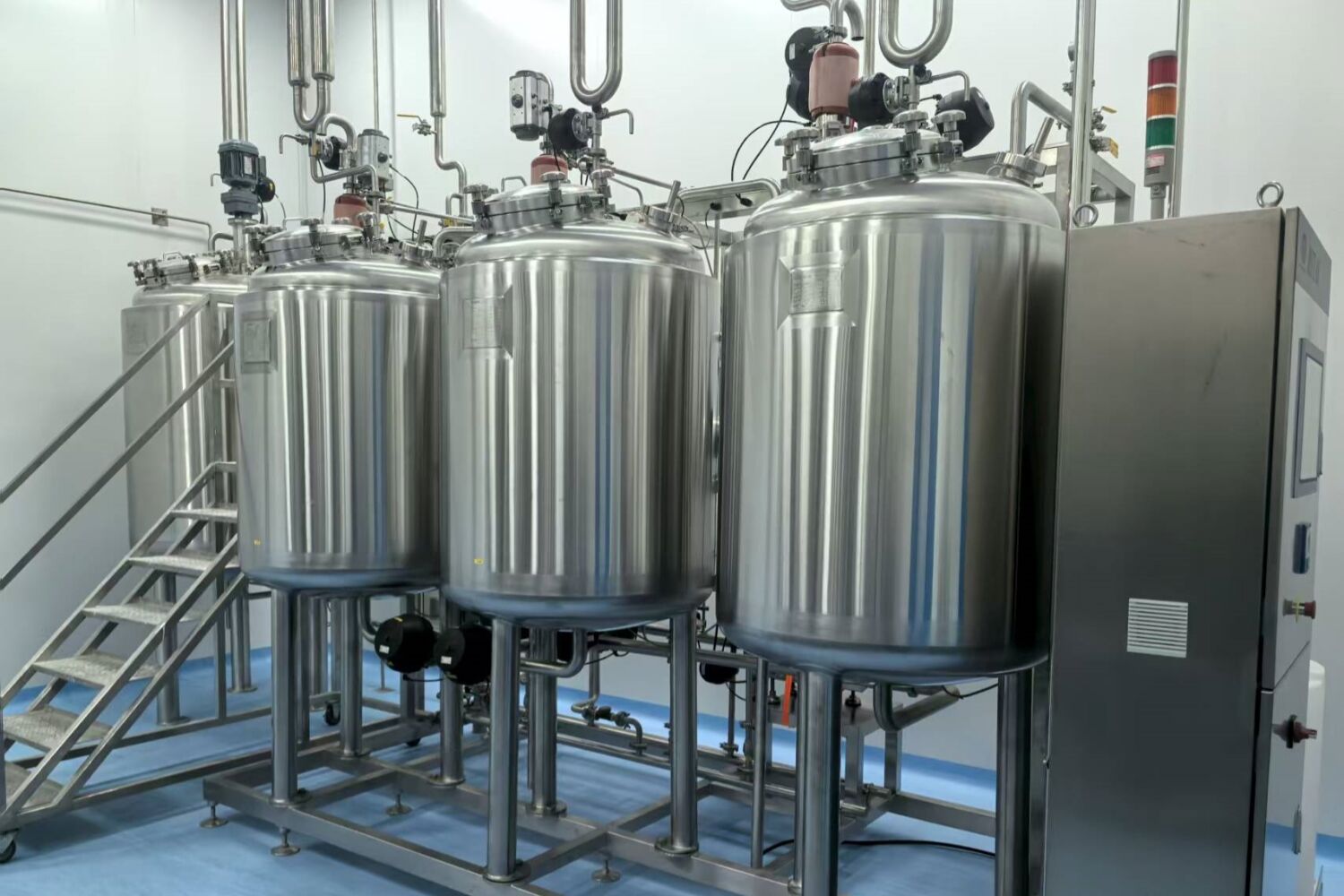
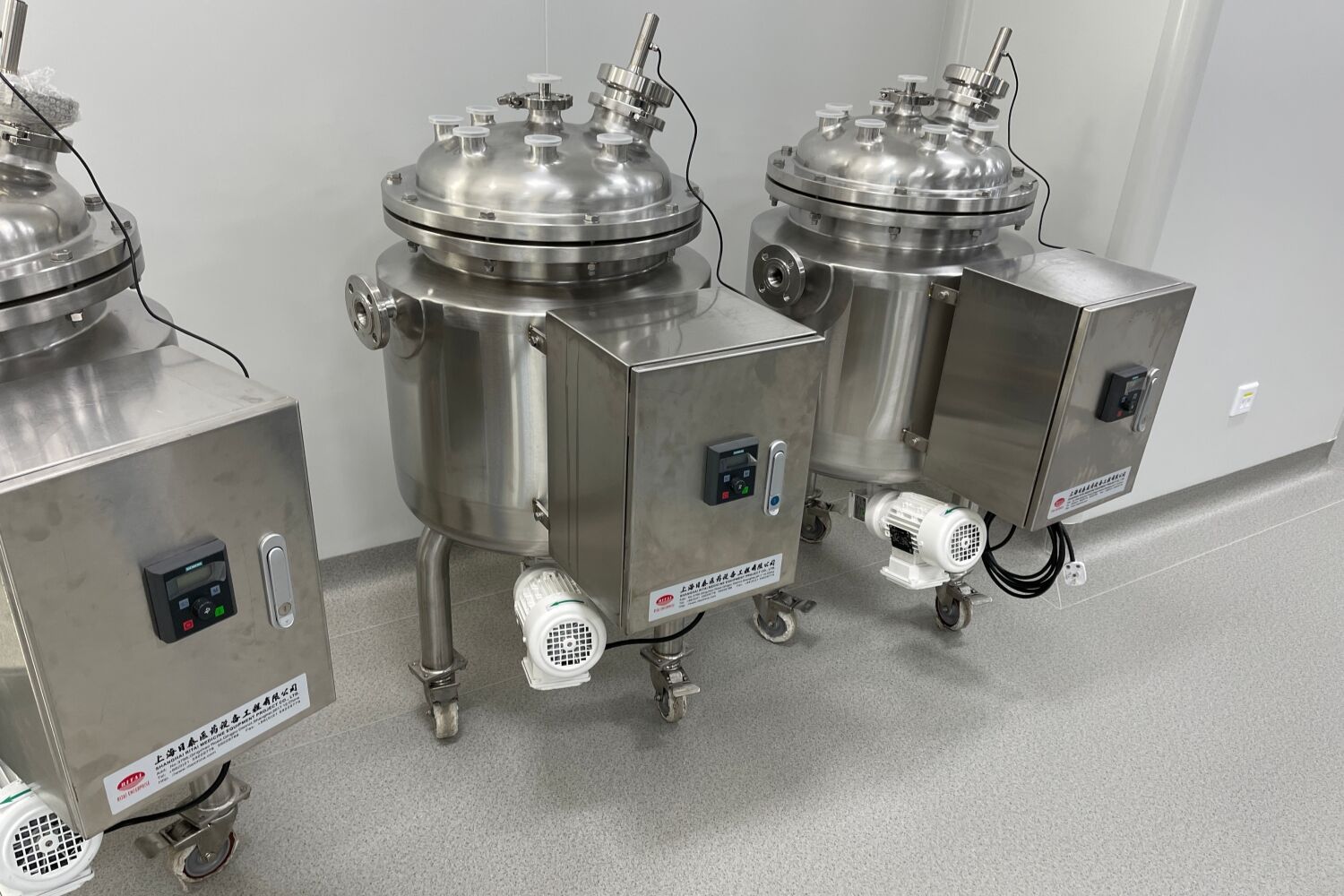
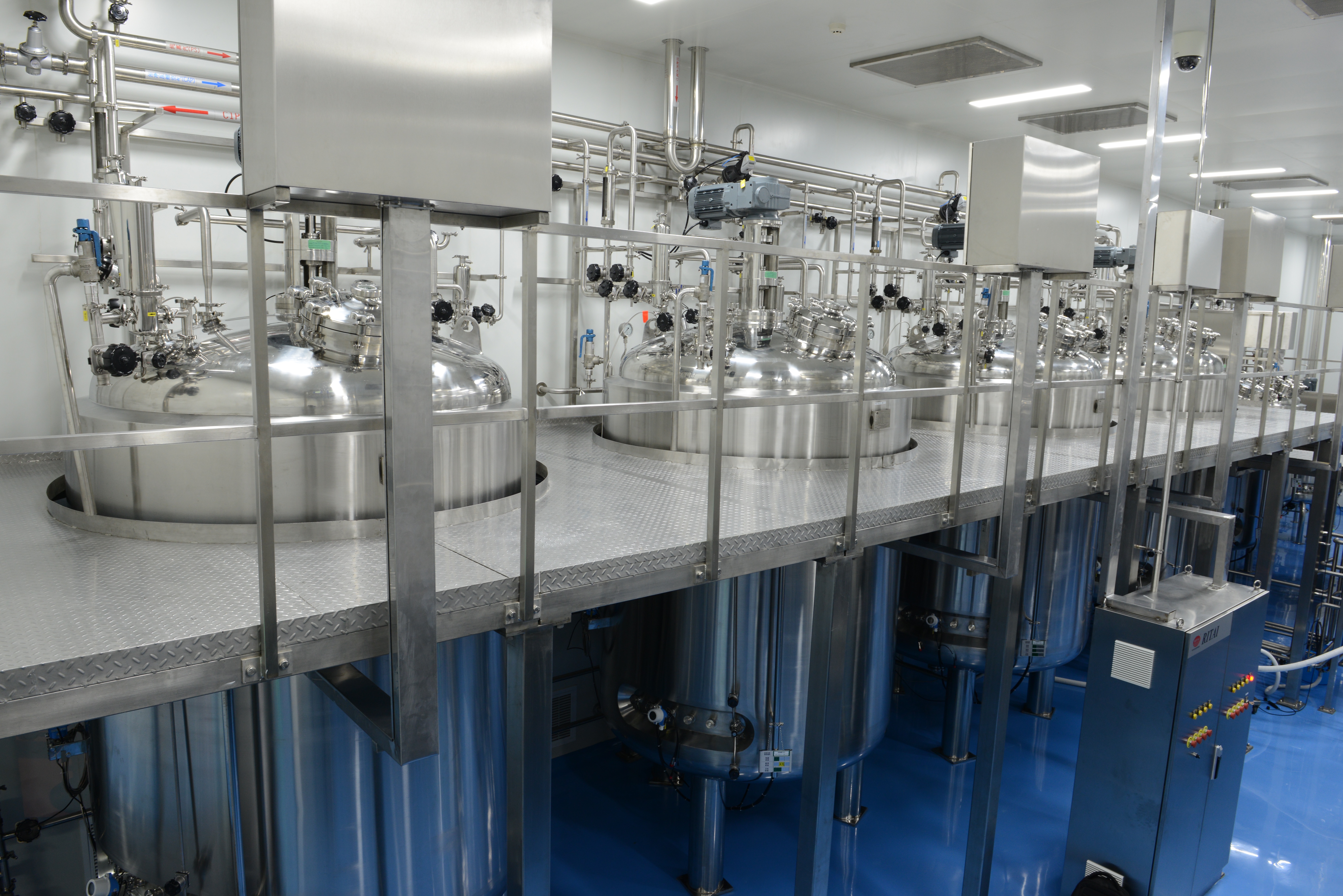
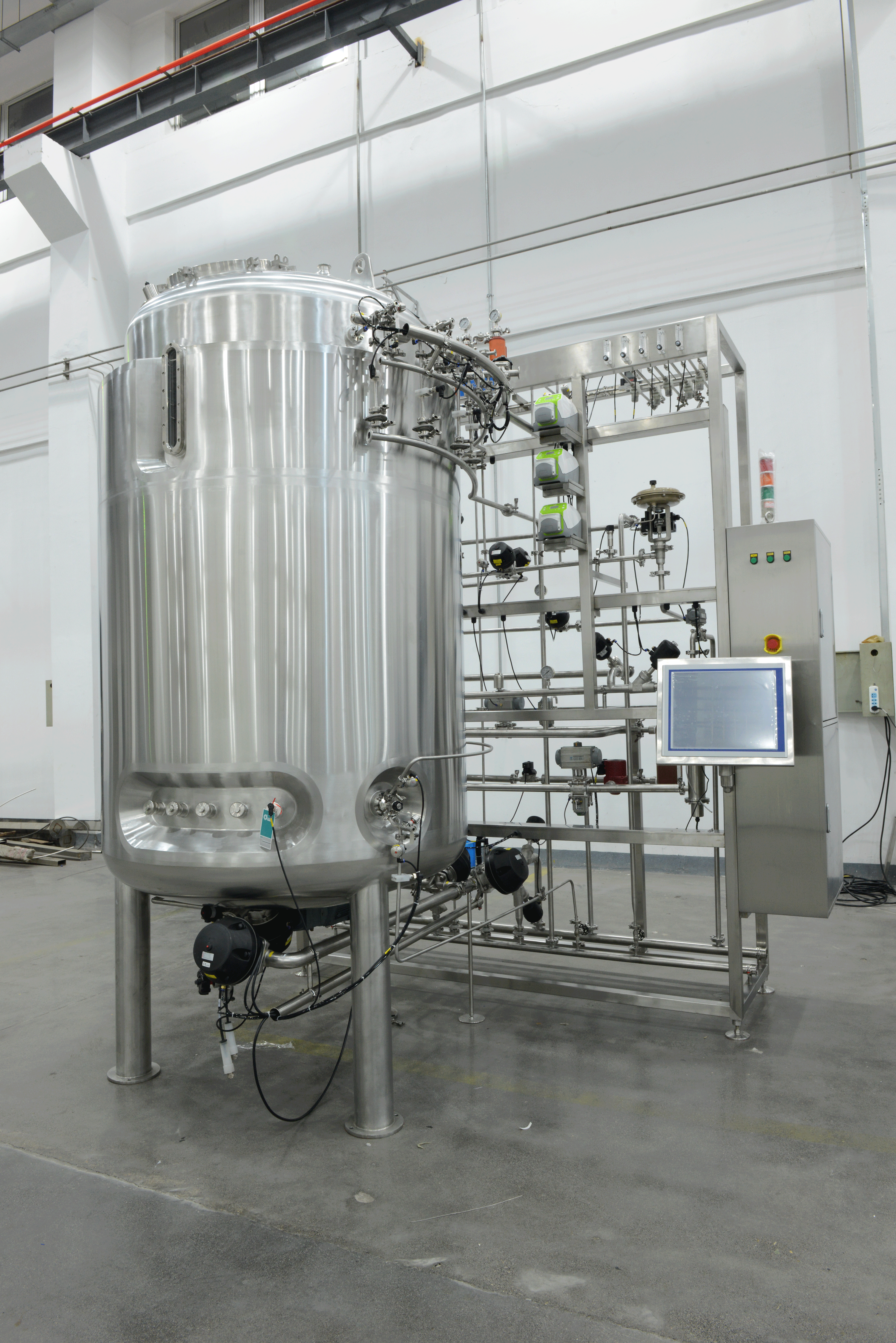
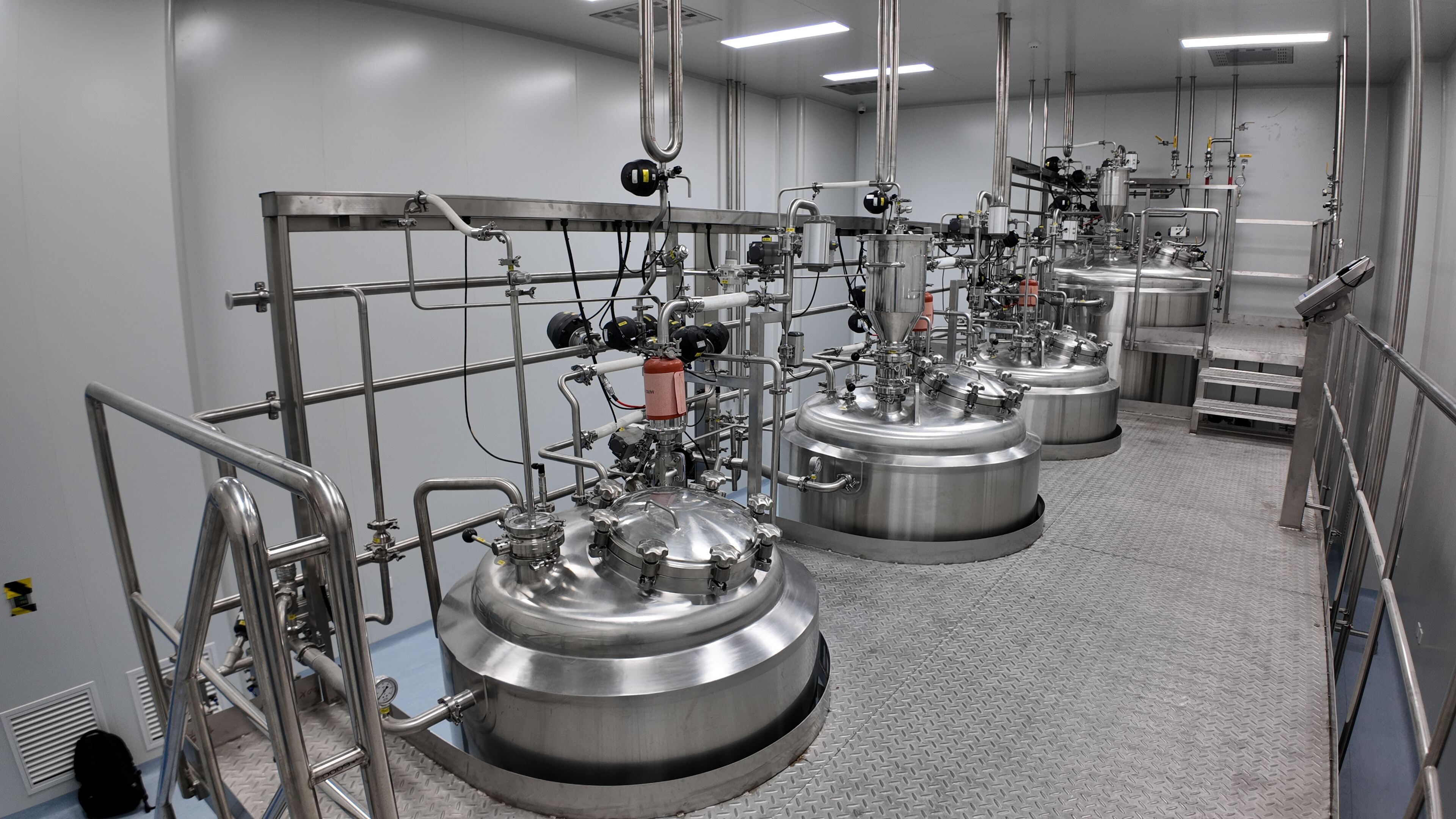
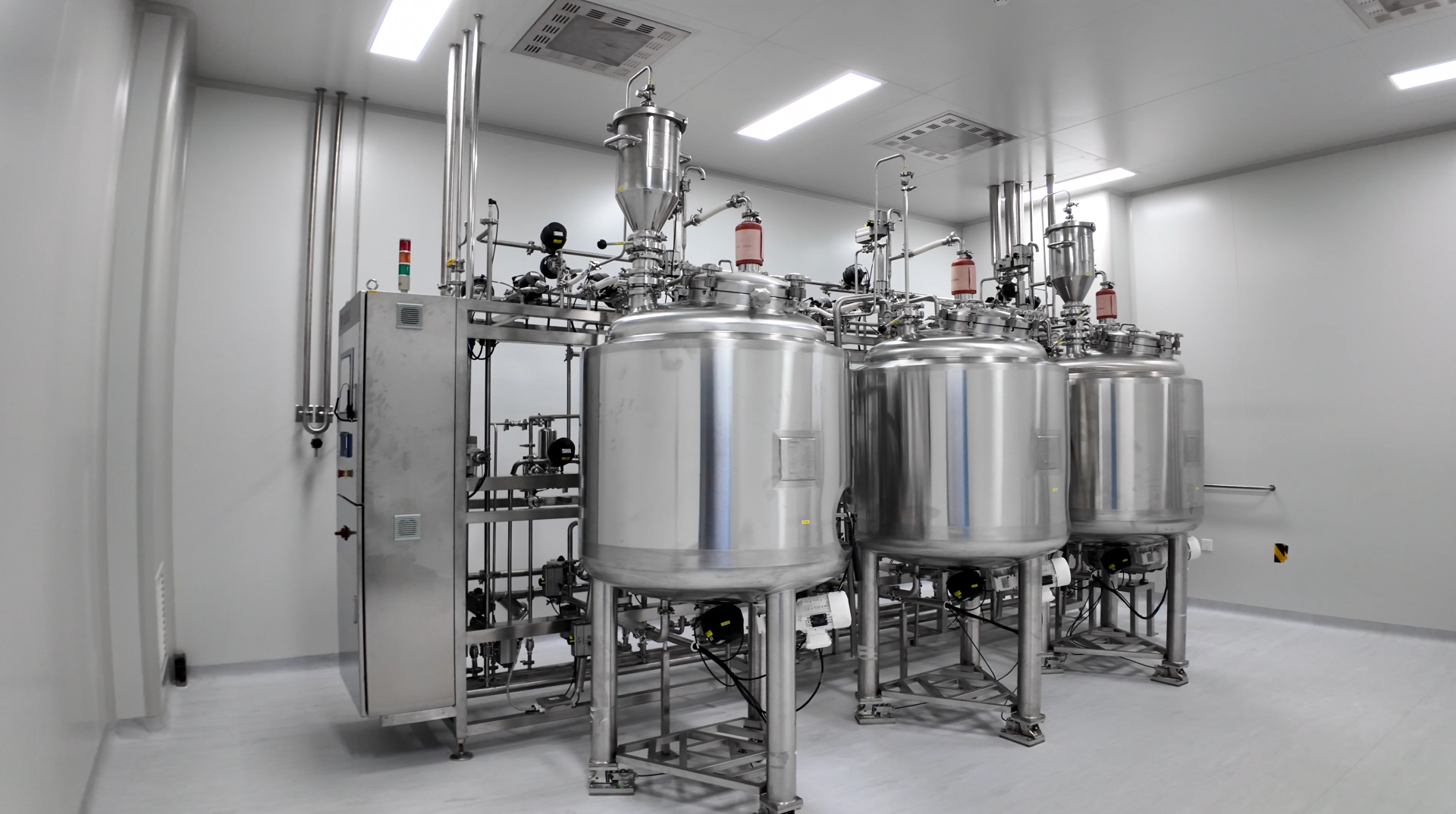
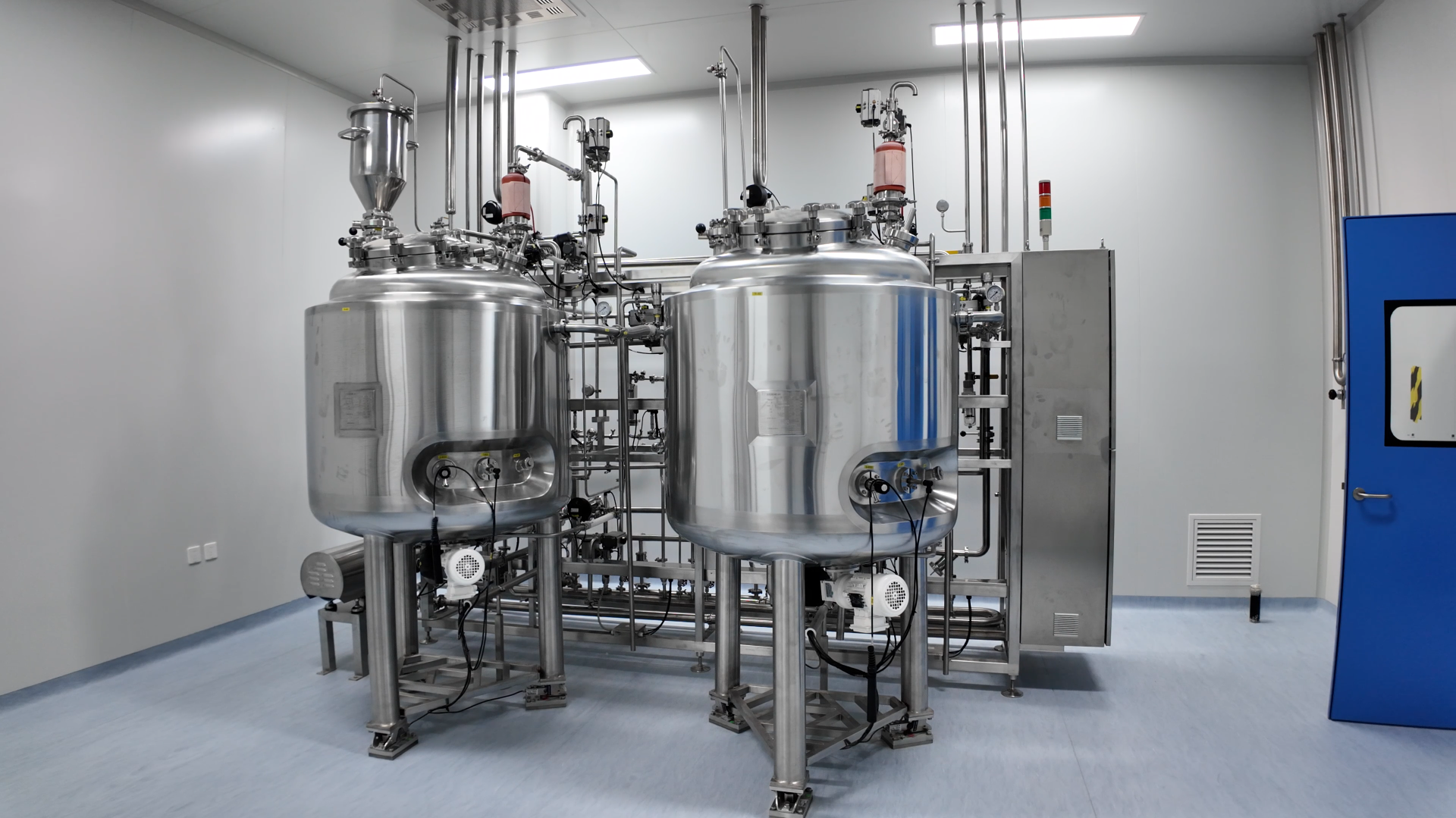
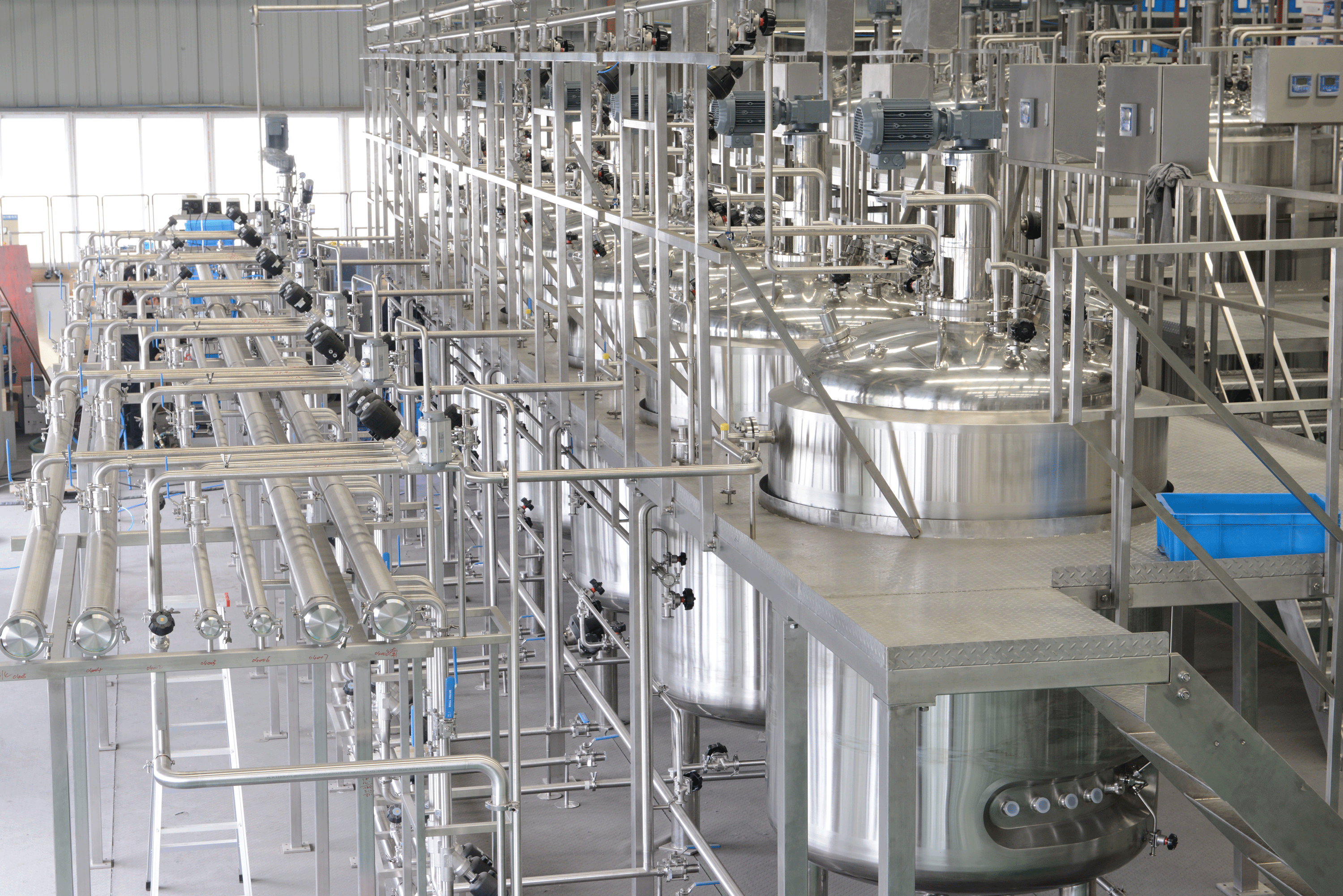
Hygienic stainless steel process vessels are specially designed for the pharmaceutical, biotechnology, and food & beverage industries. Constructed from a range of premium materials—including 304, 316L, 904L stainless steels, titanium alloys, super austenitic stainless steels, and Hastelloy—the vessels comply with international standards such as GB, ASME, and BPE, and meet stringent regulatory requirements including cGMP and FDA.
The internal surfaces undergo precision mechanical or electropolishing to achieve an ultra-low surface roughness of Ra 0.2–0.4 μm, effectively preventing microbial adhesion and product contamination.
Equipped with dimple, full-jacket, or half-pipe jacket configurations, the vessels enable highly efficient heating or cooling. Combined with chlorine-free insulation and a welded outer shell designed for easy wiping and cleaning, they ensure long-term, stable operation.
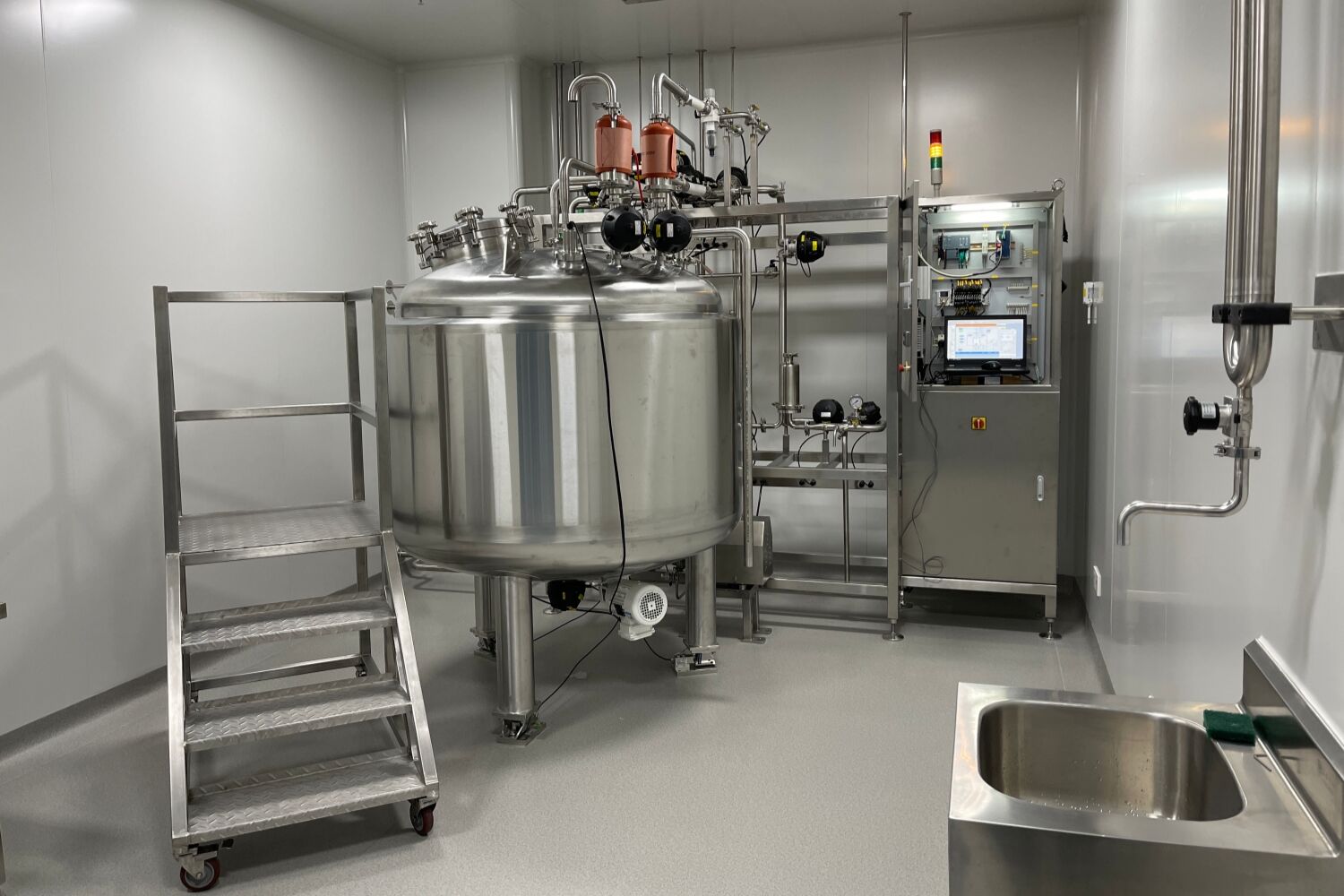
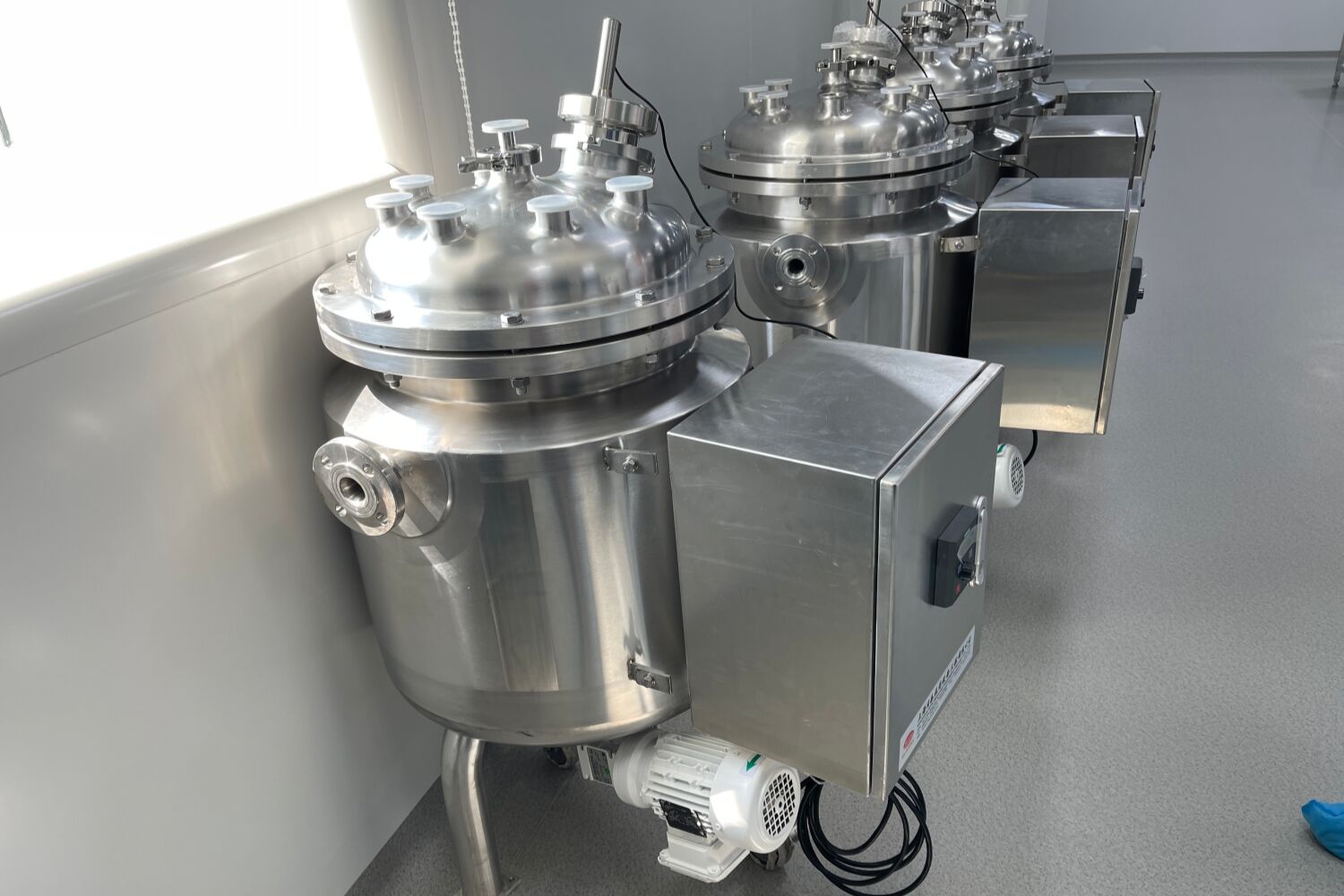
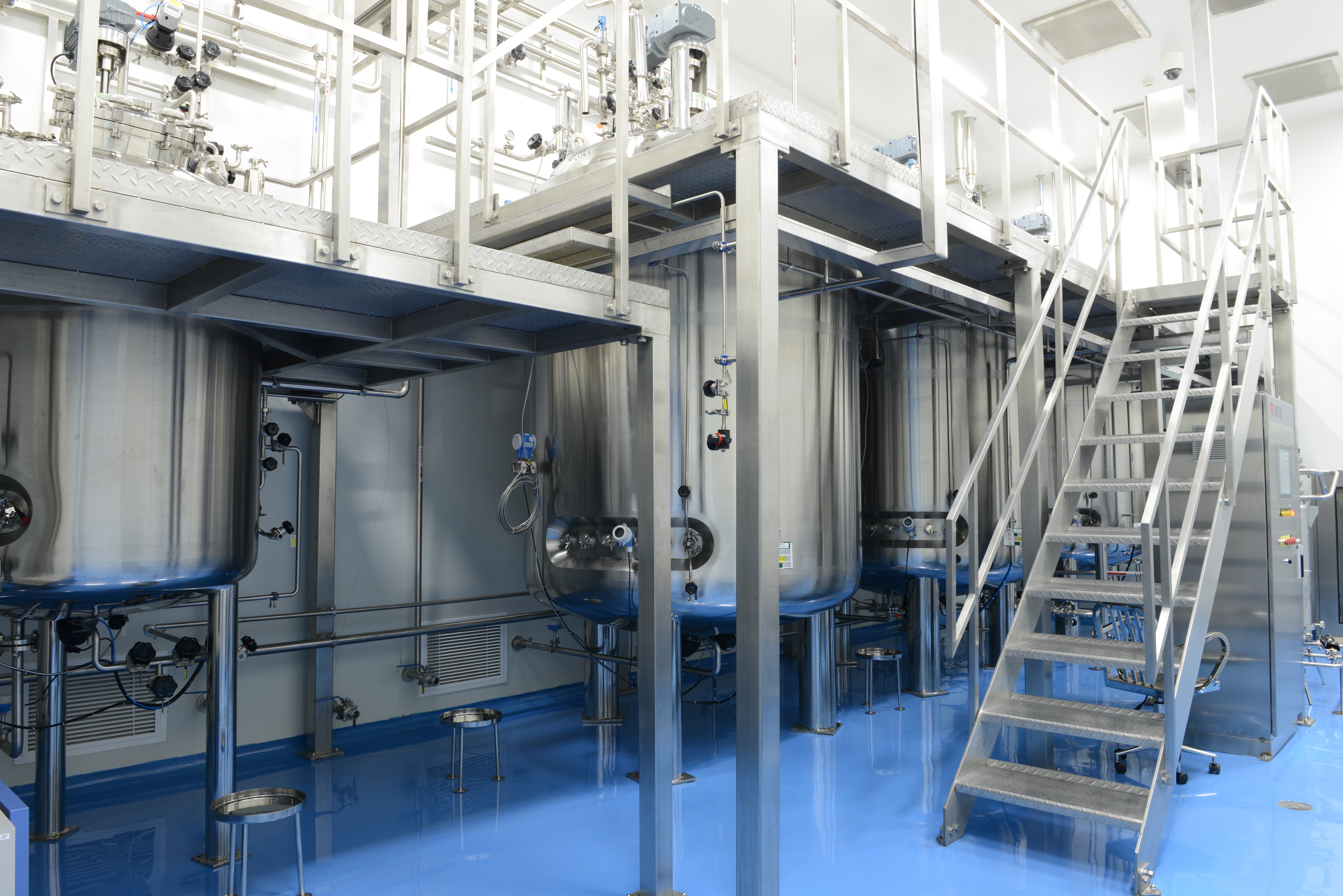
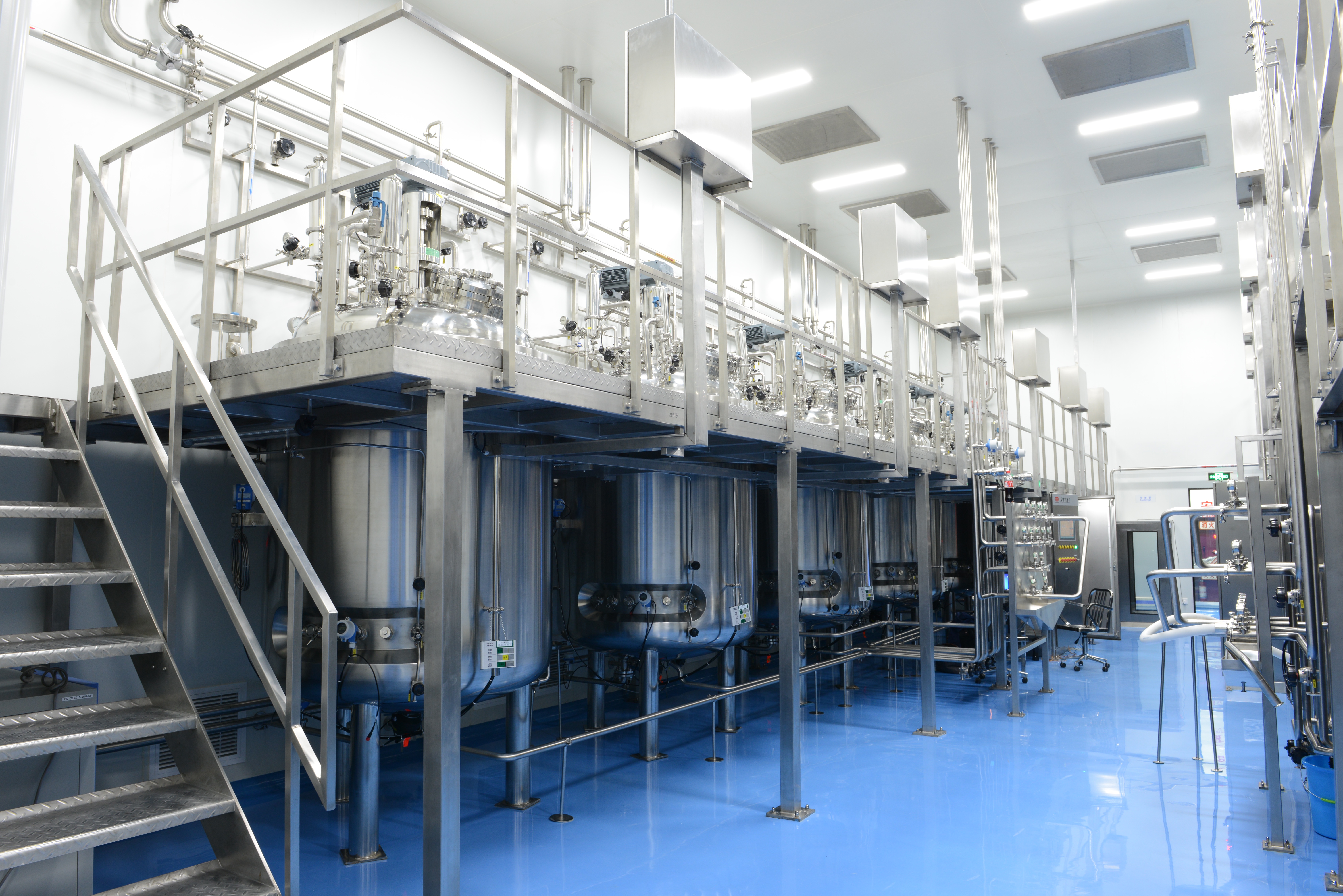
Standard features include sight glasses, view ports, manways, load cells (weighing sensors), instrumentation, and a variety of agitator systems. The vessels offer flexible application across critical processes such as harvest, purification, inactivation, and the preparation, temporary storage, and refrigerated holding of buffers, culture media, Water for Injection (WFI), intermediate solutions, and bulk drug substances—making them core process equipment in biopharmaceutical, bioengineering, and fine chemical manufacturing.
Detailed Product Description
I. Product Overview
Hygienic stainless steel process vessels are essential core equipment in biopharmaceutical, bioengineering, and fine chemical industries. Their design and manufacturing standards directly impact product quality, safety, and regulatory compliance.
This product leverages advanced stainless steel materials and precision manufacturing techniques, specifically engineered to meet the rigorous demands for hygiene, safety, and reliability in pharmaceutical, biotech, and food & beverage applications.
As a universal upstream/downstream process vessel, it integrates seamlessly across all stages—from laboratory R&D to large-scale commercial production—providing efficient and reliable solutions for:
Harvest
Purification
Inactivation
Preparation, temporary storage, and refrigerated storage of buffers, culture media, WFI, intermediate solutions, and bulk drug substances
With its exceptional corrosion resistance, sterile design, precise temperature control, and adherence to international manufacturing standards, this vessel has become the equipment of choice for pharmaceutical companies, biotech firms, and premium food & beverage producers.
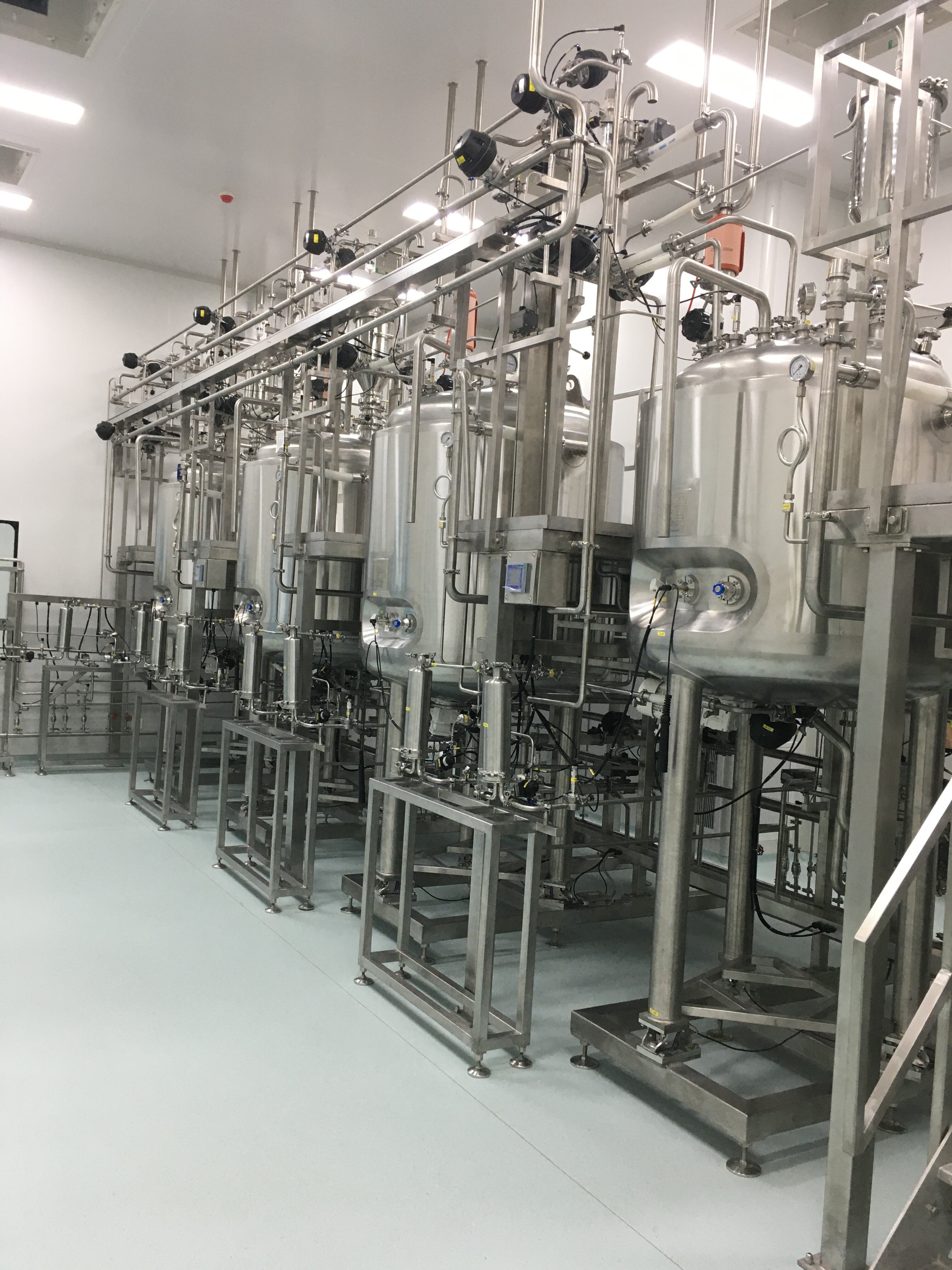
In biopharmaceutical manufacturing, it is widely used in critical steps such as vaccine production, blood product processing, and collection of cell culture harvests. In bioengineering, it serves as core equipment for fermentation, extraction, and purification. In the food & beverage industry, it supports aseptic compounding, storage, and filling operations.Whether you are conducting small-scale laboratory research or large-scale industrial production, this vessel delivers stable and dependable process control.
II. Design and Manufacturing Features
1. Material Selection
A variety of high-end stainless steel and specialty alloys are available to suit diverse process requirements, ensuring outstanding corrosion resistance and stability under demanding conditions:
1.316L Stainless Steel: The preferred material in the pharmaceutical industry, 316L features ultra-low carbon content (≤0.03%), high chromium (16–18%) and nickel (10–14%) content, and 2–3% molybdenum. This composition delivers excellent corrosion resistance in strong acids, strong alkalis, and chloride-containing environments. It is ideal for WFI generation, media preparation, and inactivation processes, effectively preventing metal ion leaching and material degradation to ensure drug safety.
2.904L Super Austenitic Stainless Steel: 904L (UNS N08904, 00Cr20Ni25Mo4.5Cu) is a low-carbon, high-nickel-molybdenum-copper alloy. With 3–4% Mo and 4–5% Cu, it exhibits superior resistance to pitting and crevice corrosion in chloride-rich media. It is especially suited for inactivation or purification processes involving chloride-containing agents or strong acids (e.g., certain vaccine inactivation steps), effectively preventing chloride-induced corrosion.
3.Titanium Alloys: Titanium and its alloys (e.g., TA2, TC4) offer excellent biocompatibility, high strength-to-density ratio, and outstanding corrosion resistance in strongly alkaline environments. A stable passive oxide film readily forms on the surface, inhibiting microbial attachment. These materials are ideal for strong alkaline or radiation-based inactivation/purification processes. Titanium vessels support a wide pressure range (from –0.1 MPa to 35 MPa), capacities from 50 L to 30,000 L, and multiple heating options including electric, steam, and thermal oil.
4.Hastelloy: Nickel-based corrosion-resistant alloys like Hastelloy C-276 and C-2000 provide exceptional resistance to pitting, crevice corrosion, and stress corrosion cracking.
C-276: Corrosion rate ≤0.05 mm/year in boiling 40% sulfuric acid; ≤0.15 mm/year in 10% HCl at 60°C; Critical Crevice Corrosion Temperature (CCT) ≥80°C—ideal for aggressive acidic environments.
C-2000: Superior performance at elevated temperatures—oxidation weight gain only 0.02 g/m²·h at 600°C; excellent resistance to stress corrosion cracking with a critical stress value of 350 MPa.
5.Other Specialty Materials: Additional options such as super stainless steels (e.g., 321, 316) and other Hastelloy grades are available upon request to address extreme process conditions.
2. Surface Finishing Process
Surface finishing is central to the vessel’s hygienic performance. Industry-leading electropolishing and mechanical polishing technologies ensure internal surfaces meet Ra 0.2–0.4 μm, satisfying strict ASME BPE requirements:
1.Electropolishing: Uses an electrolyte (e.g., phosphoric-sulfuric acid blend) to selectively dissolve microscopic surface peaks via electrochemical action, creating a smooth surface and dense passive oxide layer that significantly enhances corrosion resistance. This process can achieve mirror finishes with Ra < 0.01 μm—far exceeding industry standards—and effectively prevents microbial adhesion and biofilm formation.
2.Mechanical Polishing: Employs precision polishing equipment to physically abrade surface irregularities, achieving Ra 0.2–0.4 μm. Simple to implement and compatible with all stainless steel types, it ensures a smooth, dead-leg-free interior that is easy to clean and sterilize.
3.Passivation: After polishing, a professional passivation treatment forms a stable chromium oxide layer, further enhancing corrosion resistance and hygienic performance. This step prevents surface oxidation and extends equipment service life.
4.Dead-Leg-Free Design: Strictly adheres to ASME BPE no-dead-leg requirements—all flanges, nozzles, and welds feature radiused transitions (R ≥ 2 mm) to eliminate sharp corners and welding residues, minimizing microbial harborage and contamination risks.
III. Application Scenarios
1.Harvest Applications: Serves as the collection vessel for cell culture or fermentation broths in biopharmaceutical harvest operations.
2.Purification Applications: Acts as intermediate hold and purification buffer tanks, ensuring consistent product quality.
3.Inactivation Applications: Functions as a dedicated inactivation reactor, ensuring complete and controllable inactivation.
4.Compounding & Storage Applications: Provides efficient, stable solutions for the preparation and temporary storage of buffers, culture media, WFI, and other process fluids.
IV. Technical Advantages
1. Hygienic Compliance Advantages
Standards Compliance: Designed and manufactured per GB, ASME, and BPE standards; meets cGMP and FDA requirements.
Sterility Assurance: All product-contact components use 316L or higher-grade stainless steel with internal surface finish Ra ≤ 0.4 μm, preventing microbial adhesion and biofilm formation.
Seal Integrity: All sealing systems undergo rigorous leak testing to guarantee integrity under all operating conditions.
2. Performance & Reliability Advantages
Precise Temperature Control: PID temperature control system with ±0.1°C accuracy—supports processes from 25°C (harvest) to 120°C (inactivation).
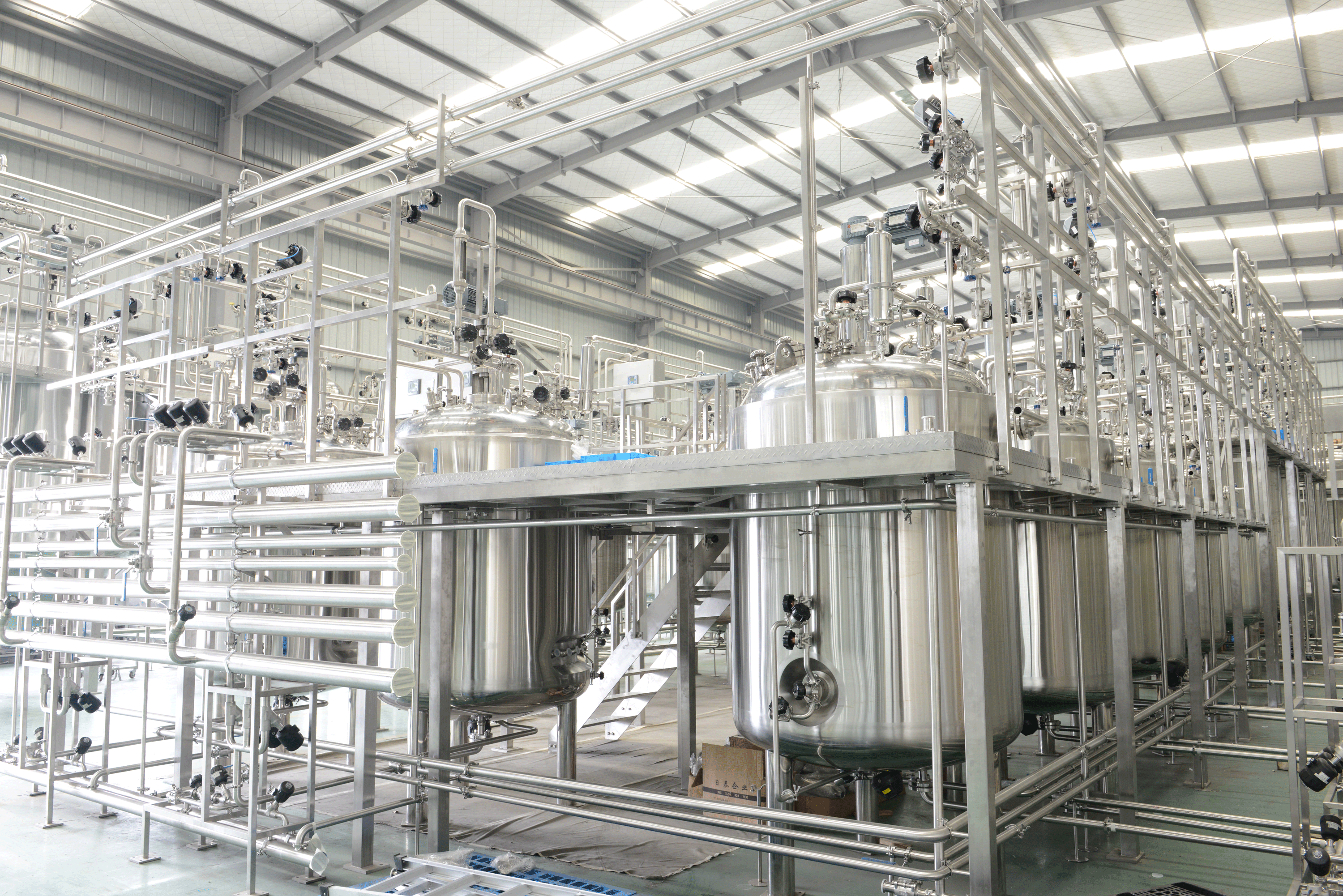
High Heat Transfer Efficiency: Dimple jacket design improves heat transfer efficiency by 30%, reducing energy consumption and cycle times—especially beneficial for frequent temperature cycling (e.g., purification/inactivation).
Superior Material Performance: Multiple high-end material options ensure reliability across harsh environments—from standard 316L to chloride-resistant 904L and extreme-corrosion-resistant Hastelloy.
High-Efficiency Agitation: Multiple agitator options available: low-speed anchor type (0–50 rpm), high-speed turbine (0–1000 rpm), and magnetic drive (0–500 rpm)—tailored to diverse mixing needs.
3. Intelligence & Automation Advantages
Smart Control System: Integrated online monitoring of temperature, level, pH, and conductivity; data can be exported to SCADA systems, meeting GMP data integrity requirements.
Standardized Interfaces: Uses internationally recognized ISO quick-connect clamp fittings for easy integration with upstream/downstream equipment into a complete process train.
Modular Design: Vessels are modular by design, allowing flexible configuration of accessories and functions to maximize equipment utilization.